

Hockey Stick Care price list
Last updated Monday, 19 Oct 2026
| Hockey Stick Care | Price |
|---|---|
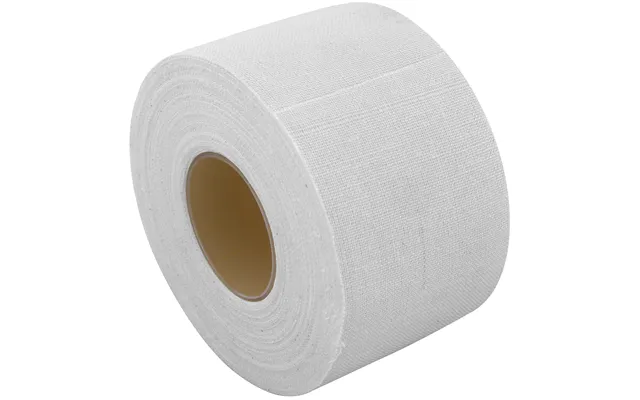
| Grays Cloth Tape - White | £5.99 |
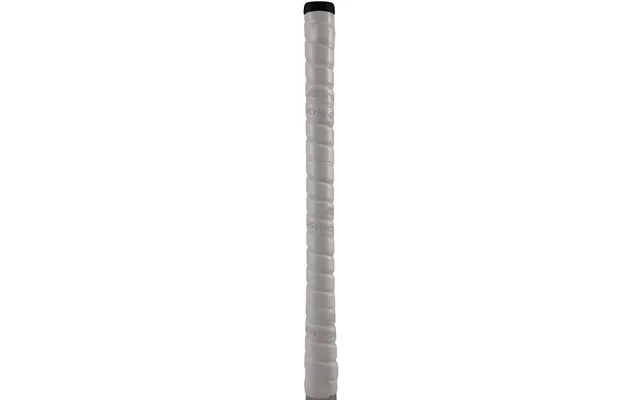
| Grays Cushion Grip - White | £9.99 |
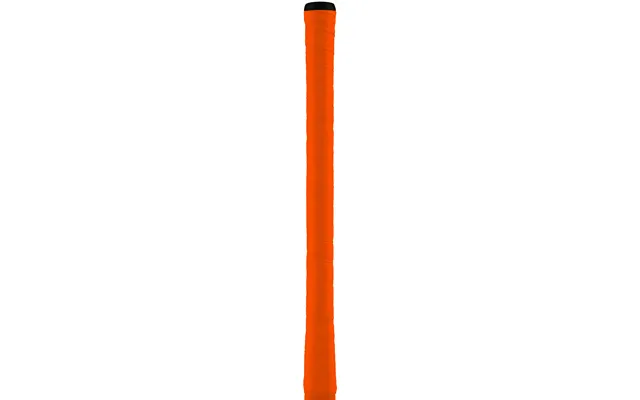
| Grays Twintex Grip - Fluo Orange | £10.99 |





Loading...
Last updated Monday, 19 Oct 2026
| Hockey Stick Care | Price |
|---|---|
| Grays Cloth Tape - White | £5.99 |
| Grays Cushion Grip - White | £9.99 |
| Grays Twintex Grip - Fluo Orange | £10.99 |
If you play hockey regularly, you know how fast a favorite stick can go from perfect to chipped and tired. Taking simple moments to care for your stick will pay off in better shots, truer passes, and fewer unexpected breaks. Think of your stick the way you do a pair of running shoes — a little maintenance keeps it performing at peak for longer, and that means fewer replacements and more time playing the game you love.
Understanding the main culprits helps you fight them off. High-impact hits, repeated slashes on the blade, and improper storage are the usual suspects. Moisture and extreme temperatures also weaken materials over time. Add poor taping technique or leaving sharp edges untreated, and you’ve got a recipe for premature failure. With a few preventive products and routines you can cut most of that wear down dramatically.
Every block, slap, and collision transfers shock into the shaft and blade. Composite sticks are lightweight but can delaminate under repeated blunt force. Wooden sticks splinter where pressure concentrates. A protective wrap or blade guard absorbs many of those hits so the stick takes less of the impact directly.
Leaving your stick in a wet bag or a cold shed is a fast way to reduce its life. Water can soak into tape and any unfinished wood, adding weight and weakening glue joints. Freeze-thaw cycles can worsen cracks. A dry, room-temperature place and drying gear before storage will do wonders.
Bad taping can leave corners exposed and create stress points. Overlapping tape too tightly or not enough leaves areas vulnerable. Similarly, rough blade edges can catch skate blades or boards and chip the blade. Learn a consistent taping routine and keep edges smooth for less damage over a season.
There’s a surprising number of small items that punch well above their cost when it comes to extending stick life. I’ll walk through the must-haves and why each matters so you can choose what fits your budget and style.
Every player knows tape is the first line of defense. Cloth tape is classic — it grips the puck and protects the blade. Plastic or friction tape adds durability and is great for players who shoot hard. Re-tape your blade regularly; a fresh wrap every few weeks of heavy play keeps the blade intact and your puck control sharp.
Grip tape on the handle reduces slipping and lets you control the stick with less force. Over time grip wears smooth, so replacing it restores feel and reduces the need to squeeze the stick tight — that’s easier on your hands and on the shaft. Choose a tacky grip that suits your comfort and playing conditions.
Hard plastic blade guards and padded travel sleeves protect the blade and shaft when you’re on the way to and from the rink. A simple blade guard keeps the tape from rubbing off and prevents accidental nicks when sticks bump together in a bag. Travel sleeves protect the shaft from scratches and reduce stress on the top joint.
Heat-shrink wraps are great for sealing the top of the blade or adding a layer of protection where the shaft meets the blade. Small epoxy repair kits are handy for filling chips in composite or wood. These quick fixes aren’t replacements for a serious repair but will keep a stick usable while you evaluate replacement options.
A small block of fine sandpaper or a blade file smooths rough edges and removes burrs before they turn into bigger problems. Think of it like filing a fingernail instead of letting it snag. Just a few stroking motions along the edge after heavy play makes a noticeable difference.
Taping sounds basic, but a good technique protects the blade and improves puck feel. Start with a clean, dry blade. Begin a wrap near the heel and move toward the toe, overlapping each pass by about half the tape's width. If you prefer a thicker toe for shooting, add an extra layer there. Finish with a neat seal at the toe and a few wraps around the heel for extra reinforcement.
There are several popular styles: full wrap for durability, partial wrap for weight savings and puck feel, and wedge-style for blade stiffness and puck control. Pick one that matches your position and shooting style. For heavy slapshots choose durability; for stickhandling and quick shots choose thinner, flatter wraps.
Your hands are the connection to your stick. If the handle feels wrong, you’ll overcompensate and put stress where it doesn’t belong. Clean the handle with mild soap and water when it gets grubby, and replace grip tape when tackiness fades. For players who sweat a lot, a liquid grip or rosin bag can help maintain control without excessive tape layers.
If you notice the stick slipping more, or the tape looks shiny and smooth, it’s time for a change. Regular replacement keeps your hands less tense and transfers less shock to the shaft, which indirectly helps the stick last longer.
Not every dent means the end. Small chips in composite or wood can be filled and sanded. Use a two-part epoxy for structural bits, apply carefully, and sand to match the original shape when cured. For deeper or lengthwise cracks in composite sticks, a professional repair may be safer — you don’t want to weaken the shaft where stress concentrates.
Carry a repair kit in your bag: some tape, a small epoxy tube, and a heat-shrink patch. For a quick on-ice fix, wrap the damaged area tightly, seal with shrink wrap if you have a hair dryer or heat gun available, and get home for a fuller repair later. These quick measures often buy you through a game or two.
Composite sticks are lighter and more sensitive; that makes them performance-driven but also a bit more fragile in certain impacts. Wooden sticks are heavier but can take burns and knocks that would shatter a composite. Composite players need careful edge care and gentle hit management; wooden-stick players should focus on sealing and preventing water ingress.
Watch for delamination — a sign the outer layers are separating. If you see bubbles or soft spots, stop using the stick for high-force shots and consider a repair. Avoid exposing composites to sustained heat above 140°F, as that can weaken adhesives.
Seal raw wood with clear tape or varnish to keep water out. Wooden blades can be sanded and shaped more easily than composites, and minor splits can often be glued and clamped effectively. Wooden shafts are forgiving in low-speed impacts but will splinter under a big check, so inspect the shaft before play.
Where you put your stick between games matters. Don’t leave it in a car trunk or a freezing garage — those extremes shorten lifespan. Instead, hang sticks in a dry room or store them in a padded compartment in your gear bag. Keep heavy items away from the shaft, and use a stick rack or wall hooks when possible to avoid warping over time.
When traveling, arrange sticks so they don’t rub against sharp objects or buckle under weight. Blade guards are cheap insurance against accidental nicks. If you’re flying or taking long trips, consider a padded travel sleeve that protects both blade and shaft from repeated jostling.
You don’t need to break the bank to keep your stick in top shape. Simple items like tape, a blade guard, and sandpaper are inexpensive and will extend life noticeably. Comparison sites can be a big help here — they let you compare styles and prices across retailers so you get the best value without endless searching. Look for combo packs that include tape and a blade protector to reduce cost per item.
Repair when damage is localized and doesn’t affect the shaft’s structural integrity. Replace when a crack runs along the shaft or when weight and balance change so much your play is affected. A good rule of thumb: if a stick breaks during practice and the break is near where you grip it, it’s time for a replacement rather than a patch-up for safety reasons.
Defensive players who block shots need thicker blade protection and more durable tape. For forwards and playmakers focused on stickhandling, thinner tape for puck feel and a tackier grip are better choices. Power shooters may prefer additional layers at the toe and a reinforced shaft top. Think about where your stick takes the most abuse and prioritize protection in those areas.
Tape widths vary, but 1.5 inches is a common cloth tape width that balances coverage and weight. Stick lengths for adults are usually between 56 and 63 inches depending on your height and stance; make sure replacements match your preferred specs so feel and mechanics don’t change dramatically.
Set a simple pre- and post-play checklist: wipe down the stick after each session, check for new chips, smooth any rough edges, and air out tape if it’s damp. Every few weeks replace tape and inspect the shaft for hairline cracks. These small habits add up — a few minutes after each game is all it takes to add months to a stick’s life.
Taking care of your hockey stick is about more than saving money; it’s about keeping your performance consistent and avoiding in-game surprises. With a few affordable products and a couple of simple habits you can protect your investment and play with more confidence. Think of stick maintenance as part of your routine training — as natural as stretching and lacing up.
Now grab your tape, clean off that blade, and treat your stick like the teammate it is. A little attention goes a long way.