

Hockey Stick Parts price list
Last updated Monday, 19 Oct 2026
| Hockey Stick Parts | Price |
|---|---|
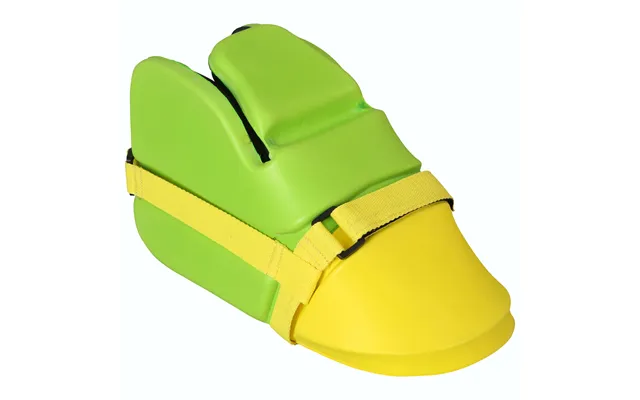
| Grays G100 Kicker Strap - Size Senior | £6.99 |
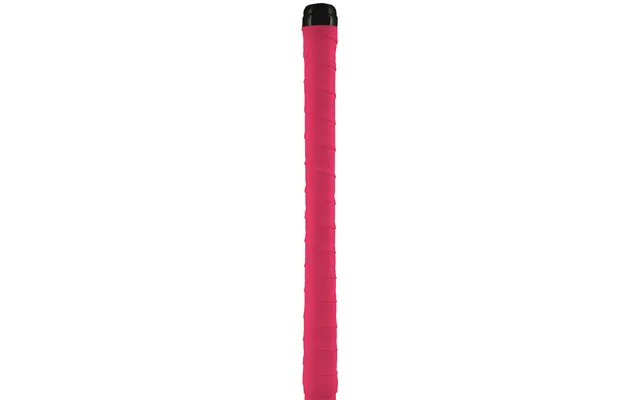
| Grays Overgrip - Fluo Pink | £7.99 |
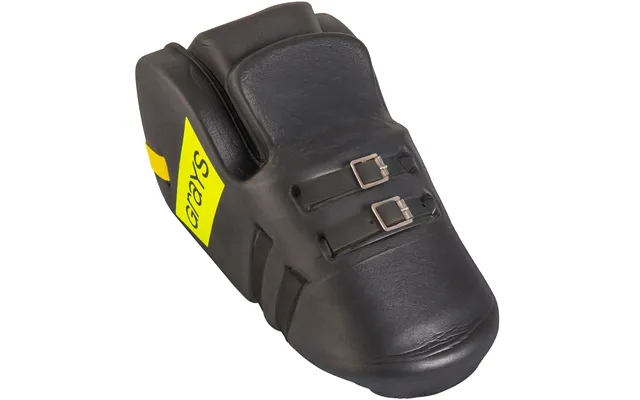
| Grays Nitro Kicker Straps - Black | £35.99 |




Loading...
Last updated Monday, 19 Oct 2026
| Hockey Stick Parts | Price |
|---|---|
| Grays G100 Kicker Strap - Size Senior | £6.99 |
| Grays Overgrip - Fluo Pink | £7.99 |
| Grays Nitro Kicker Straps - Black | £35.99 |
Think of your hockey stick like a race car: the chassis, engine, tires — every part affects performance. Swapping out a worn blade, adding a better grip, or fitting a lighter shaft can shave split seconds off your release, boost shot power, or give you tighter puck control. Whether you're a weekend warrior or chasing a pro dream, understanding hockey stick parts helps you make smarter upgrades that actually feel different on the ice or rink.
Before you buy anything, it helps to know what you're looking at. A typical hockey stick breaks down into a few key pieces: the blade, the shaft, the butt end, the grip, and tape. Each element plays a distinct role, and replacing one can change feel, flex, and durability. Let’s walk through the parts so you can shop with confidence.
The blade is the business end of your stick; it dictates how the puck sits on the stick and how shots come off. Blades come in different curves, toe shapes, and profiles — a deeper curve helps lift the puck, shorter curve offers quicker passes. Replacement blades can be made from wood, composite, or hybrid layers. A good blade swap can make your wrist shot snap like a twig or your backhand accurate as a laser.
The shaft affects flex point, torque, and weight. Composite shafts can be tuned for stiffness, while wood shafts offer a traditional feel and more flex. Length is measured in inches, and cutting a shaft down affects balance and flex. When you choose a shaft, think about flex ratings in terms of pounds of force and how they translate to your shooting style — a lower flex helps quick release, higher flex gives more whip for harder shots.
A grip changes how the stick sits in your hands. Some grips are tacky and thick to prevent slippage, others are smooth for faster hand movement. The butt end (or end cap) seals the top of the shaft and keeps the tape and grip in place; swapping to a heavier or lighter cap can slightly change balance and feel. Small tweaks here often feel bigger than you'd expect.
Tape isn’t glamorous, but it’s vital. Type and wrap style affect puck feel and blade protection. Toe covers and blade guards protect edges during storage and travel. Other small parts, like spine reinforcements and ferrules on wooden sticks, keep blades aligned and reduce cracking. Don’t underestimate how these accessories extend life and performance.
Composite sticks dominated pro hockey for their light weight and power, but wood still has diehard fans. Composite blends carbon fiber with resin to make shafts and blades that are light — often under 16 ounces — and consistent in flex. Wood feels heavier, typically 18–22 ounces, and offers a familiar flex profile that some players prefer for stickhandling. Your choice depends on budget, durability needs, and the feel you want under your hands.
Composite sticks often deliver faster shots and better energy transfer, while wood sticks are forgiving and cheaper to replace. Composite blades can splinter on heavy contact; wood blades chip but are easier to sand or glue. If you take a lot of slap shots, a higher-end composite shaft with a stiffer flex can be worth the investment. If you’re practicing stickhandling and quick passes, a wood or hybrid setup might keep costs down while giving you great feel.
Picking a replacement blade comes down to curve, lie, toe shape, and material. Measure your current stick in inches to match length, and examine the blade’s curve from heel to toe. Want your wrist shots to climb sooner? Pick a mid-toe or toe curve with a medium depth. Prefer crisp passes? A flatter, shallow curve favors control. Check weight — blades often range from 6 to 12 ounces — and choose one that keeps your stick balanced where you like it.
Not all blades drop into all shafts. Many modern composite shafts accept standardized replacement blades, but older wood shafts or some proprietary systems require specific adapters or glues. If you’re attaching a blade to a wood shaft, you might need epoxy and a ferrule. When in doubt, match the blade model to your shaft or consult a comparison site to find parts that fit your exact model and length in inches.
Installing replacement parts can be a weekend project. A few tools — a heat gun for adhesives, epoxy for solid joins, a saw when shortening shafts — go a long way. When cutting shafts, measure twice and cut once, keeping the final length in inches consistent with your playing style. Let adhesives cure fully; rushing installation can lead to weak bonds and a broken stick on the first check.
Start by removing old tape and any glue residue. If you’re removing a composite blade from a composite shaft, use a heat gun to soften adhesive, then gently twist and pull. For attaching, apply an even layer of hockey-grade epoxy inside the shaft, slide the new blade in until snug, align the curve and lie, then wipe excess epoxy and tape the joint. Allow the recommended cure time — usually several hours — before taking it onto the ice.
Accessories are where small changes create big results. Upgrading tape, adding a tacky grip, or fitting a vibration-reducing insert can make your stick feel new without replacing the whole unit. Consider blade covers for transport and a quality stick bag that keeps sticks from banging into each other. These are inexpensive ways to protect your investments and maintain consistent performance.
Anti-vibration inserts cut down on sting after hard shots, while custom butt caps can change balance for better forehand control. Tacky overgrips prevent slipping when hands get sweaty, and specialized foam tape can alter puck feel for better deking and trapping. Think of accessories as customization — you’re tuning your stick like a musician retunes an instrument for just the right sound.
Hockey stick part prices vary widely. Expect to pay $15–$40 for a decent replacement blade, $40–$200 for a composite shaft depending on tech and brand, and $5–$20 for grips, tapes, and butt caps. High-end custom blades and pro-level shafts can run $200–$350 or more. If you’re on a budget, comparing prices on specialist comparison sites can reveal seasonal discounts or bundle deals that cut cost without sacrificing quality.
If you’re replacing parts to extend a mid-range stick, cheaper blades and grips often give you the best value. For players who demand peak performance — quicker release, lighter weight in ounces, and precise flex — investing in a higher-end shaft and blade can be game-changing. Consider how long you expect the part to last: an extra $50 on a durable composite blade may pay off in longer life and fewer replacements.
Simple maintenance keeps parts working and reduces frequency of replacements. Dry your stick after each session, avoid slamming it into the boards, and inspect the blade edges regularly. Sand out chips on wooden blades and replace worn tape frequently. For composite blades, check for splintering along the toe and heel — early repairs can prevent full breaks.
Store sticks horizontally with blade covers to prevent warping. Extreme heat or cold can affect composite fibers and adhesives, so keep sticks in a climate-controlled place when not in use. If you commute to rinks in a car, use a soft case and don’t leave sticks in direct sun through the glass — exposure can degrade epoxy bonds and weaken components that were measured in inches and ounces when purchased.
One major mistake is swapping parts without considering balance and flex changes. Cutting a shaft too short or choosing a blade that’s too heavy can turn a good stick into a clumsy one. Another error is using the wrong adhesive or improper curing time, which leads to failures at inopportune moments. Finally, buying parts based solely on price without checking compatibility is an easy way to waste money.
Measure current stick length in inches, note the flex you prefer, and list the make and model to check compatibility. Decide what you want to improve — quicker release, more power, better feel — and pick parts that directly affect that attribute. If you’re unsure, compare reviews and specs across reputable comparison sites that let you filter by length, weight in ounces, and material type.
Comparison sites aggregate prices and specs from multiple retailers, letting you compare blade curves, shaft flex, and consumer reviews in one place. They can save time and show which models offer the best price-to-performance ratio. Use those comparisons to cross-check manufacturer specs in inches and ounces to ensure you buy parts that match your playing style and budget.
Upgrading hockey stick parts is one of the most cost-effective ways to improve your on-ice performance. Whether you swap to a lighter composite shaft, install a replacement blade with a new curve, or tweak grips and butt ends, smart part choices tune your stick to your style. Measure carefully, consider compatibility, and use comparison tools to spot the best deals. With the right parts and a little maintenance, you’ll feel the difference on the very next shift.