

Bridal Veils price list
Last updated Monday, 19 Oct 2026





View 3 Offers
Loading...
Last updated Monday, 19 Oct 2026
Picking a veil is more than an accessory choice — it’s the finishing touch that frames your face, balances your silhouette, and adds that cinematic moment when you walk down the aisle. A veil can soften a structured gown or add drama to a simple dress. It’s one of those details guests notice without being able to name, and it often shows up in photos for decades. So why rush? Let’s walk through how to pick a veil that feels like you and looks incredible in every light.
Think of a veil like the punctuation at the end of a sentence: it can be a whisper or an exclamation. A delicate birdcage veil says vintage chic, a fingertip veil adds romance, and a cathedral veil delivers full-on drama. Your veil can reflect your personality — playful, classic, boho, or glamorous — and help create a cohesive bridal look that photographs beautifully and feels comfortable all day.
There are more veil styles than most brides realize, and each one creates a different vibe. Below I break down the most popular types so you can match the style to your dress and wedding mood. Knowing these names will also help you search confidently when you compare prices and options online.
Birdcage veils are short, often netted pieces that cover part of the face or sit above the eyes for a retro look. A blusher is a short, face-covering layer used in some ceremonies and photos. If you love vintage flair or want something light and sassy, these are great choices.
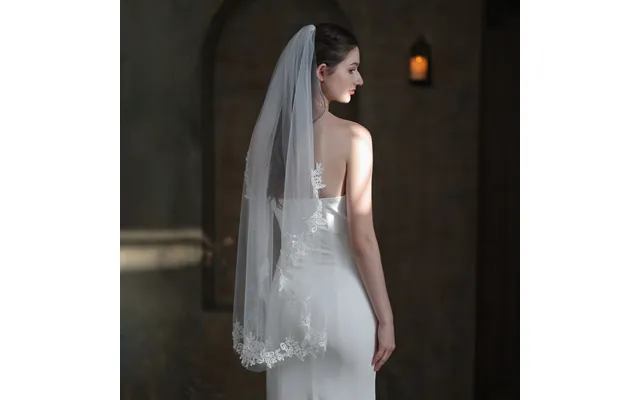
Shoulder-length veils typically fall to about 20–24 inches and are great for casual or outdoor weddings. Elbow-length veils land around 25–30 inches and suit tea-length or sheath gowns. Fingertip veils, a popular mid-length option, usually end around 36 inches and work with most dress silhouettes, offering a romantic sweep without too much fabric.
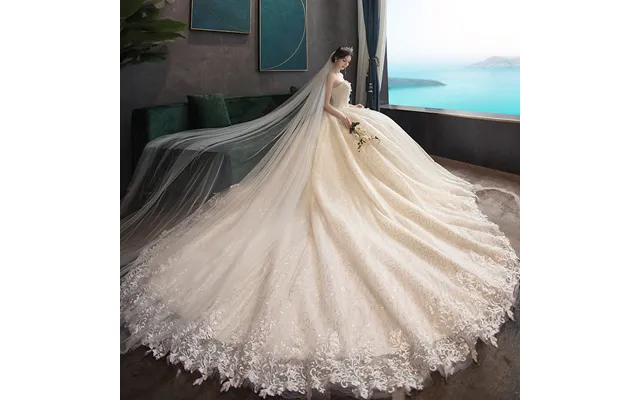
Chapel veils are long and elegant, often about 90 inches and trailing just past the dress train for a soft, regal effect. Cathedral veils are the most dramatic, commonly around 120 inches or longer, and create that sweeping, fairy-tale look ideal for grand venues and formal ceremonies.
Length matters. It affects mobility, photo composition, and the overall silhouette. Here’s a practical guide to help you visualize veil lengths and how they pair with venue types and gown styles.
If your ceremony is outdoors or your gown has a shorter hem, a short veil between 6 and 24 inches pairs perfectly. These veils add personality without getting in the way of movement or windy conditions. Think garden party or registry office vibes when choosing a shorter veil.
Mid-length veils — around 36 inches or so — are versatile and flattering for most body types. They balance well with A-line and mermaid dresses, and they look great in photos from both close-up and distance. If you want one veil that works for both ceremony and reception, this is often the safest bet.
Long veils (90–120 inches) aren’t just for big churches; they create movement and drama that looks incredible in photos. These veils require a little more planning — think bustling the train, arranging veil placement in portraits, and ensuring your venue’s flooring won’t snag delicate tulle — but the visual payoff is huge.
Fabric affects weight, transparency, and how a veil behaves in photos. Your choice will influence comfort and how easy the veil is to style with your hair and gown. Let’s walk through the common options and where they shine.
Tulle is the most popular veil fabric because it’s light, breathable, and creates beautiful volume without weight. It comes in soft and horsehair-edged varieties. Tulle is ideal for most styles from fingertip to cathedral and for brides who want airy movement in photos.
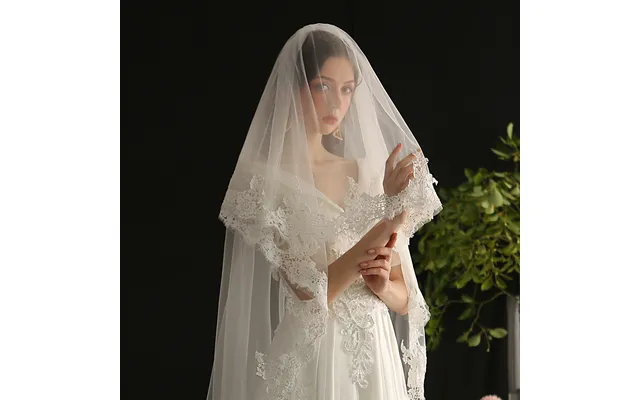
If your dress has lace details, a lace-edged veil or a veil with appliqué can tie the whole look together. These veils add texture and vintage charm. Be mindful of scale: fine lace works with delicate gowns, while larger appliqués suit bolder dress patterns.
Organza and silk blends provide a subtle sheen and smoother drape than tulle. They’re slightly heavier, which helps the veil fall cleanly and resist wind. Choose these fabrics if your dress has silk elements or you want a more structured, high-end feel.
Matching a veil to your dress is an art, not a rule book. The right veil complements the gown’s neckline, embellishments, and silhouette. Here are practical pairing tips that real brides use to strike that perfect balance.
A minimalist gown gives you license to choose a statement veil — think long lengths, bold lace, or embroidered details. If your dress is sleek and modern, a dramatic veil can add romance and visual interest without competing with the gown.
If your gown is heavy on beading, sequins, or lace, a plain tulle veil might be the best choice so the overall look doesn’t feel overworked. A single-layer, mid-length veil often complements embellished gowns without stealing focus.
How you attach a veil affects comfort and security throughout the day. Different hair styles accommodate various veil attachment methods, so think about how you’ll wear your hair ceremony-to-reception.
Combs are the most common method; they tuck into a bun or half-up style. Pins and small combs work for looser styles too, while clip-in tapes offer extra hold for active brides. If you plan to dance, ask your hairstylist to secure the comb with a few discreet bobby pins.
An updo gives a comb a stable base and keeps the veil neat; loose waves create a softer look and can make a chapel or cathedral veil appear more effortless. Try both in your hair trial to see how the veil sits and to make sure it doesn’t conceal key dress details like a low back.
Veil prices can vary wildly, from budget-friendly options under $50 to couture pieces costing several hundred dollars. Knowing typical price brackets helps you allocate your budget wisely and spot genuine deals when comparing offers.
Entry-level veils often fall below $75 and use simple tulle without heavy embellishment. Mid-range veils between $75 and $250 offer better fabrics, lace edging, or custom lengths. Couture and handcrafted veils can start around $300 and go up significantly depending on designer, hand-stitched details, and premium materials.
Comparison sites let you see multiple sellers and styles side-by-side, which is handy when you’re juggling length, fabric, and price. Use filters for veil length, fabric type and price range, and read customer photos to know what you’ll actually receive. Check seller ratings and fabric descriptions carefully before you buy.
Custom veils let you match trims, lace, and length to your gown exactly. If you’re buying off-the-rack, small alterations like trimming the length, adding a comb or stitching on lace motifs are straightforward and worth considering for that tailored finish.
Want lace that perfectly echoes your gown? A seamstress can cut lace from leftover fabric and appliqué it to your veil for a seamless look. Adding subtle beading along the edge gives sparkle without overwhelming the overall design.
Shortening a veil is easier than you might think — a few stitches and a new hem can transform a cathedral veil into a chapel or fingertip length. If the comb placement feels off, a stylist can reattach it so the veil sits higher or lower depending on your hairstyle.
Veils are delicate, but with the right care they’ll remain pristine and even become family heirlooms. Small steps before and after the wedding can prevent tears, yellowing, and stains.
Keep the veil in a breathable bag until you step through the door, and pin it gently to avoid pulling. Ask a bridesmaid to help with bustle logistics if you have a long veil or train. During photos, avoid standing on the veil and be mindful of outdoor hazards like spikes and twigs.
Spot cleaning right away prevents set-in stains. For tougher marks, a professional wedding gown cleaner can often handle delicate veils safely. Store the veil in a cool, dry place laid flat or rolled in acid-free tissue to avoid creases and yellowing. If you plan to keep it as a keepsake, consider preservation services that use archival materials.
Choosing a veil is a balance of emotion, practicality, and style. Try several lengths and fabrics during your dress fitting, photograph them in natural light, and walk around a bit to see how they move. Trust your gut — if a veil makes you feel confident and excited, it’s probably the right one.
Before you click “buy,” make sure you’ve checked length against your dress’s train, confirmed the fabric won’t clash with your gown, and tested how the comb sits with your chosen hairstyle. Also verify return terms and lead times if you need alterations or custom work.
With the right veil, you’ll capture a look that’s uniquely yours: flattering, photo-ready, and comfortable enough to dance in. Take your time, compare options, and enjoy the process — after all, the veil is part of the memory you’ll keep forever.
Conclusion: Your veil should feel like a natural extension of your wedding story — whether that’s a whisper of tulle or a sweeping cathedral trail. Think about length, fabric, and how it pairs with your dress and venue. Try options in natural light, consult with your hairstylist, and use comparison tools to find a style and price that match your vision. The right veil will not only complete your bridal look, it will create moments that live on in photos and memories.