

Bluetti price list
Last updated Sunday, 27 Sept 2026





| Store | Status | today | distance |
|---|
Loading...
Loading...
Last updated Sunday, 27 Sept 2026
Bluetti began as a small name in portable power and has grown into a recognised brand in the UK. You’ve probably seen their stations on Instagram, in tech reviews, or next to a campervan on a weekend escape. But Bluetti is more than a trend. It’s a practical answer to a simple modern problem: how to keep devices, homes, and outdoor setups running when the mains fail or when you choose to unplug. In this article I’ll walk you through Bluetti’s history in the UK, what makes the brand tick, and how it stacks up against rivals you can buy locally.
Bluetti started as a brand focused on portable power stations and solar energy solutions. The company saw the growing appetite for reliable, portable energy — from tiny phone chargers to full-size home backup systems — and moved fast. In the UK, Bluetti’s story accelerated as consumers looked for reliable backup power after a string of weather-related outages and as vanlifers and festival-goers demanded better gear. Bluetti’s early models targeted common pain points: short battery life, heavy equipment, and complicated setups. They simplified the user experience while keeping the tech powerful.
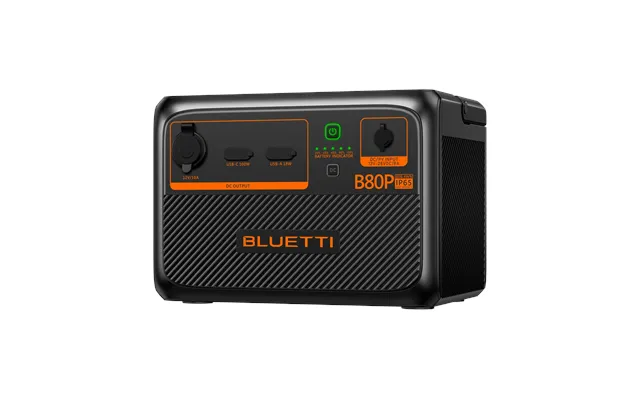
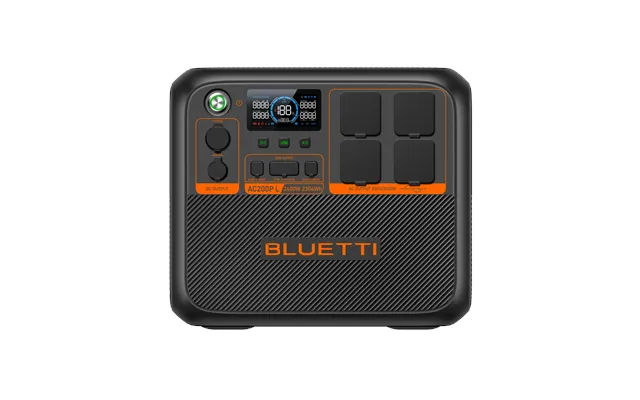
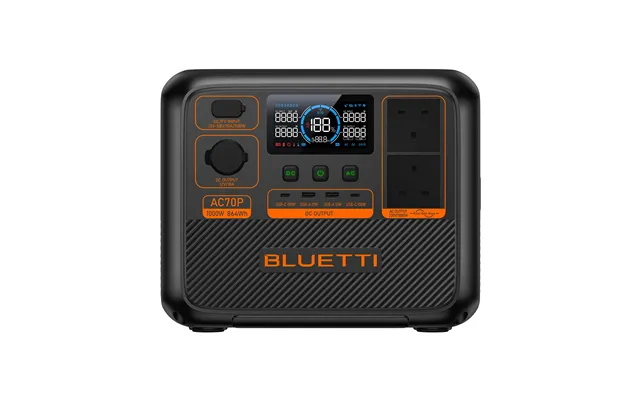
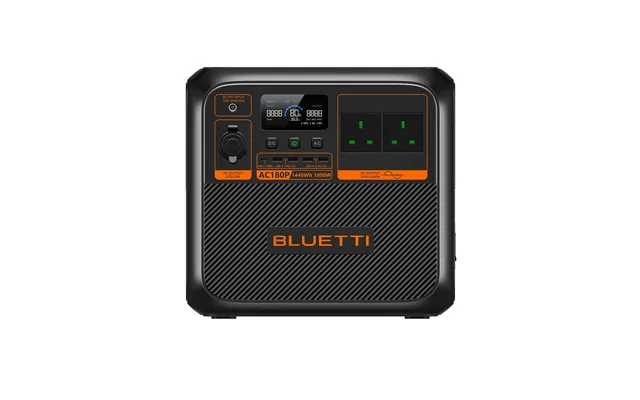
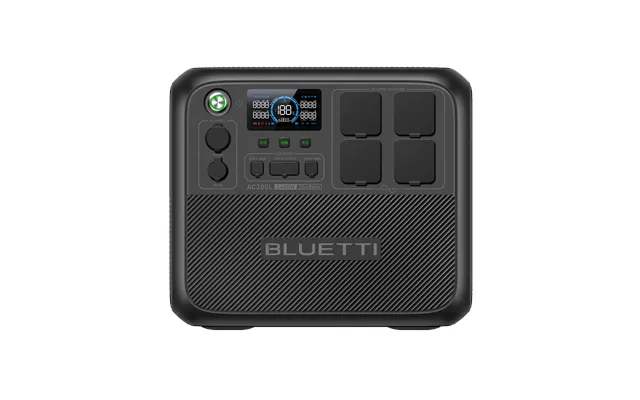
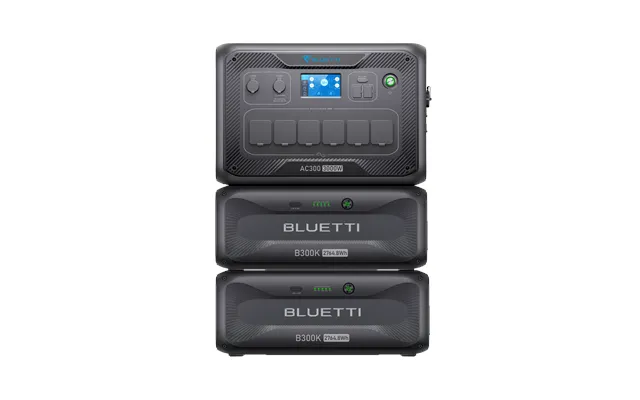
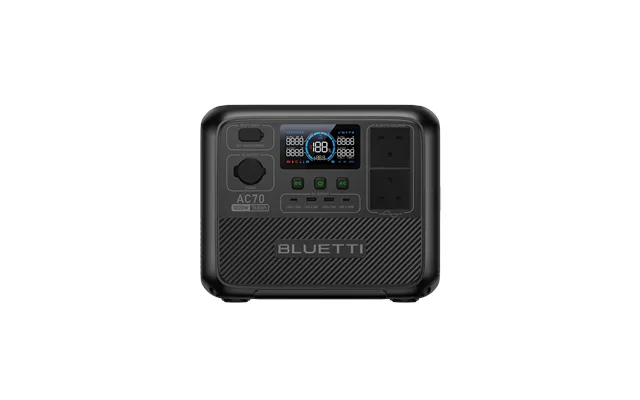
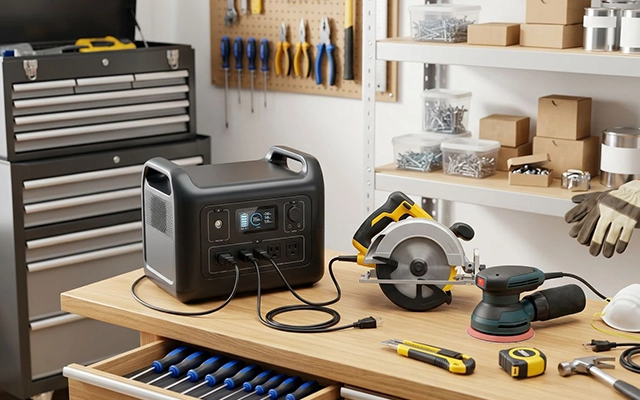
Bluetti didn’t stop at compact power banks. The brand expanded into large-capacity power stations, modular battery packs, and solar panels designed to work together. They added AC outlets, USB-C fast charging, and smart features. This product breadth helped Bluetti appeal to different groups: homeowners worrying about blackouts, DIYers needing portable power on job sites, and travellers who want to stay off-grid without sacrificing comfort.
Breaking into the UK meant building trust. Bluetti focused on certifications, local warranties, and partnerships with retailers. They made their products available on major platforms like Amazon UK and selected specialist retailers. Bluetti’s marketing emphasised real-world use: test drives, hands-on reviews, and clear specs that UK customers could relate to. That approach helped Bluetti move from curiosity to common choice.
What made Bluetti stand out to British buyers? Several things. First, they balanced price and performance. You can get strong watt-hours per pound compared with many alternatives. Second, design mattered: clean lines, intuitive displays, and quieter operation. Third, support and warranty offered peace of mind — important if you’re investing in a home backup or a long-term off-grid setup.
Bluetti found fans in a few clear niches. Campers liked the ability to run fridges and lights without noisy generators. Remote workers appreciated reliable power for laptops and routers. Homeowners who live in rural or flood-prone areas valued a ready reserve battery. Even photographers and small businesses used Bluetti for onsite shoots or pop-up events. The brand’s flexibility made it easy to imagine a dozen uses.
Bluetti leaned into lithium iron phosphate (LFP) chemistry for larger batteries, giving longer cycle life and better safety. They added multiple charge paths: AC, solar, and car charging. The user interfaces are simple, with clear screens and status indicators. That practical design helped reduce the learning curve for people who are not tech-savvy.
Bluetti’s UK presence relies on a hybrid approach: direct-to-consumer sales through the official site plus distribution through major platforms and specialist shops. That dual strategy helped control pricing while ensuring broad availability. Bluetti also worked with local service partners for repairs and warranty claims — an important detail for customers who want fast support without shipping items back overseas.
Most purchases start online. Reading reviews, watching demos, and checking price comparisons are common. Yet brick-and-mortar exposure — at outdoor shows, trade fairs, and electronics shops — drove discovery. Customers could see and touch the products, ask questions, and get hands-on confidence before buying. Bluetti invested in both channels to capture search-driven buyers and walk-in shoppers.
Bluetti’s marketing mixes technical content with lifestyle storytelling. They show not only specs but stories: a family keeping the lights on during a storm; a van conversion running a coffee machine; a remote research team powering instruments. These narratives make the tech relatable and build a community around practical off-grid living.
Competition is tight. Bluetti faces brands like EcoFlow, Jackery, Goal Zero, and Anker. Each has strengths and trade-offs. Let’s compare them on price, performance, reliability, and customer support — the things UK buyers care about most.
EcoFlow is one of Bluetti’s main rivals. EcoFlow often pushes faster charging speeds and a slick app-based experience. Their X-Boost tech lets you run heavy appliances briefly. Bluetti, by contrast, typically offers larger battery capacities for the price and prioritises longer battery lifespan through LFP chemistry. If you want quick top-ups and smart controls, EcoFlow is tempting. If you want longevity and more capacity per pound, Bluetti looks attractive.
Jackery built its name on user-friendly, portable solar generators. Their products are often lighter and simpler, appealing to weekend campers and light users. Bluetti tends to offer more robust models for heavier-duty uses — home backup and prolonged off-grid living. So, for basic camping power, Jackery is often cheaper and adequate. For running a fridge for days or supporting a small household, Bluetti’s bigger units win.
Goal Zero is well-known for reliable, field-proven gear and strong ecosystem integration, especially for outdoor and emergency sectors. They’re a go-to for rugged outdoor usage and established partners in rescue and fieldwork. Bluetti competes by offering higher battery capacity and modern features at competitive prices. If you need rugged reliability and a mature supply chain, Goal Zero is solid. If you want a newer tech approach with high capacity, Bluetti is worth considering.
Anker and similar brands focus on compact, affordable power banks and small power stations. They excel at value for light users. Bluetti is a step up in capability — larger in size, longer lasting, and more suited to homeowners and serious off-grid users. If you only need to charge phones and laptops, the cheaper options work. If you want to power kitchen appliances or multiple devices for longer, Bluetti becomes necessary.
How do Bluetti units perform when you plug them in? In tests and real-world use, they deliver steady voltage, clean sine-wave output, and reliable operation under moderate loads. The LFP batteries help with thermal stability and longevity, reducing the risk of sudden capacity loss. That’s peace of mind in the UK climate, where batteries may sit idle for months between uses.
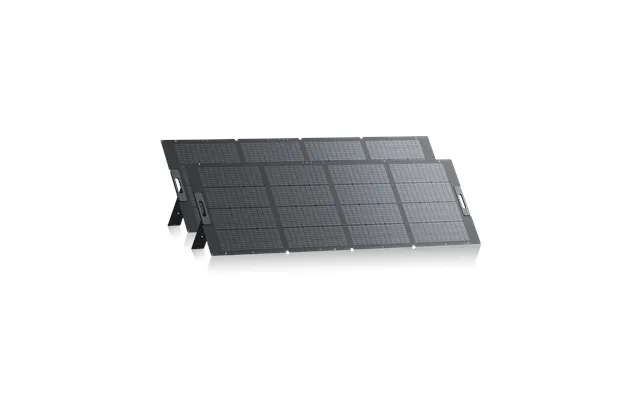
Bluetti models typically support multiple charging inputs, including fast AC charging and solar. Charging speeds vary by model, and while EcoFlow may offer faster AC charges on some devices, Bluetti’s balance between speed and battery health is deliberate. Solar efficiency depends on panel choice and weather — a crucial variable in the UK. Bluetti provides compatible solar panels but also supports third-party panels with MPPT controllers.
Bluetti units require minimal maintenance. Keep them dry, avoid extreme temperatures, and cycle the battery periodically. LFP chemistry reduces degradation, meaning these units often maintain substantial capacity after hundreds of cycles. That durability makes Bluetti a cost-effective choice over the long run compared with cheaper lithium batteries that age faster.
Price is a big decision factor. Bluetti ranges from affordable portable units to high-capacity home backup systems. The headline price is often higher than entry-level competitors but lower than some premium alternatives when you consider usable cycles and longevity. Think of it like buying a tool: you can choose a cheap hammer or a well-made one that lasts years. Bluetti positions itself closer to the latter — a solid investment if you need real power and durability.
Bluetti usually backs its products with multi-year warranties and local support channels in the UK. That reassurance matters when you invest in larger systems. Check exact warranty terms before purchase, because availability and service partners can vary by model and seller.
Setting up a Bluetti system is straightforward. Most units arrive ready to plug in, with clear manuals and app guides. For solar systems, cables and connectors are intuitive. Support channels include online resources, FAQs, and community forums. The Bluetti community shares tips on battery management, solar setups, and accessory compatibility. That shared knowledge helps new users avoid common mistakes.
Before you buy, measure your expected load and runtime. Do you need a weekend’s power for a caravan, or backup for a whole house for a day? Factor in the UK weather for solar estimates. Look for local warranty and repair options. And read hands-on reviews about your chosen model to confirm real-world runtimes under similar loads.
Bluetti’s focus on renewable charging and long-lasting batteries ties into a bigger sustainability story. Portable power is not just about convenience; it’s about reducing reliance on fossil-fuel generators and building resilient homes. In the UK, where energy costs and climate concerns are rising, Bluetti’s products fit into a broader shift toward distributed energy solutions. Expect Bluetti to keep innovating with smarter integration, battery tech improvements, and more modular systems for home storage.
No brand is perfect. Bluetti could expand local service centres in the UK, speed up spare-parts availability, and continue improving app features for remote monitoring. More transparent lifetime cost comparisons and clearer buy guides would also help customers choose the right model without getting overwhelmed.
Buying a Bluetti unit in the UK is a pragmatic choice for those who want robust, long-lasting portable power. It’s not always the cheapest, but it often delivers the best value for serious use. The brand’s mix of capacity, safety, and user-friendly design has carved a strong niche in the market.
In short: Bluetti offers reliable, high-capacity power solutions that suit homeowners, campers, and small businesses. When compared to rivals like EcoFlow, Jackery, Goal Zero, and Anker, Bluetti stands out for battery longevity and raw capacity. Your final choice depends on your needs: speed and lightweight portability, or long-term reliability and larger capacity. If your priorities are getting through a storm, powering a van for a week, or running essential appliances for days, Bluetti is hard to beat in the UK market.