






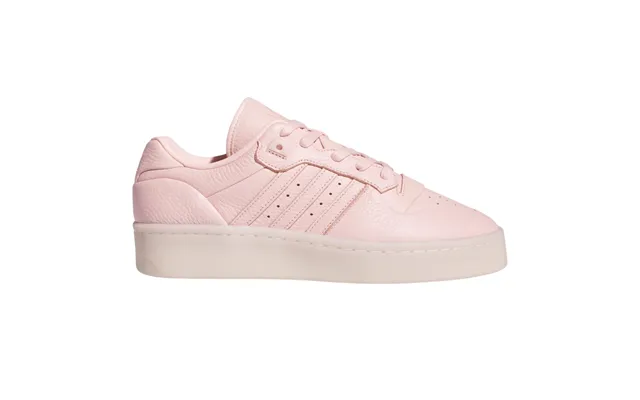
Viaduct Clothing price list
Last updated Sunday, 27 Sept 2026






| Store | Status | today | distance |
|---|
Loading...
Loading...
Last updated Sunday, 27 Sept 2026
Viaduct Clothing has carved out a clear niche in the UK menswear scene. Not a mass-market chain, not a high-fashion monolith—Viaduct sits comfortably in the middle, delivering curated collections from heritage brands, contemporary labels, and independent designers. If you care about the story behind your jacket or the craft behind your boots, Viaduct is the sort of store you notice. In this article we’ll walk through its history, explore what makes it tick, and compare it to similar UK players so you can see where it stands in the crowded menswear market.
Viaduct Clothing began as an independent retailer with a clear focus: quality menswear and a hands-on approach to customer service. Rather than following fast-fashion cycles, Viaduct leaned into classic styles and durable pieces. From the start it aimed to be a destination for shoppers who wanted garments with stories—brands with heritage, pieces built to last, and labels that value craft over hype. The shop atmosphere felt less like a department store and more like a well-organised wardrobe that invites you to explore.
Like many independent retailers, Viaduct expanded beyond its physical doors as e-commerce became essential. The move online allowed the store to reach a national audience across the UK and beyond. The website mirrors the in-store experience: clear product curation, attention to material and fit descriptions, and a friendly tone in product copy that helps less-experienced buyers make confident choices. This hybrid model—physical shop plus thoughtful online shop—has allowed Viaduct to stay personal while growing its reach.
One of Viaduct’s strengths is how it chooses brands. Instead of chasing every new trend, the store selects labels that offer longevity, technical detail, or cultural relevance. Expect to find heritage outerwear, well-made denim, boots with soul, and knitwear that holds up season after season. Viaduct often stocks mid-range to premium labels—brands that offer value through build quality rather than just a designer name.
Quality and heritage matter to Viaduct. This shows up in the brands it promotes and the way staff talk about garments. Emphasis is placed on fabric, construction techniques, and historical context—where a piece originates from, what makes it special, and how to care for it. That narrative elevates the shopping experience and helps buyers invest in pieces they’ll wear for years, not months.
Stepping into Viaduct is intended to feel like getting advice from a knowledgeable friend. Staff are typically well-informed about fit, size, and brand history. The store layout emphasizes discovery: well-lit racks, clear sections, and displays that highlight how pieces work together. For shoppers who don’t want to waste time guessing, this focused approach removes friction and gives confidence.
Community is part of Viaduct’s appeal. The retailer often builds relationships with customers through direct communication, careful aftercare advice, and occasional in-store events or collaborations. That rapport is key for repeat business—customers return because they trust the store’s picks and appreciate the consultative shopping experience.
The UK menswear market is diverse. It ranges from high-street giants to niche boutiques and flagship designer houses. Viaduct occupies the mid-to-premium niche where curated selection and authenticity are the selling points. It’s not trying to outcompete fast-fashion on price; nor is it competing with high-end luxury shops on exclusivity. Instead, Viaduct offers a balanced proposition: well-chosen brands, solid value, and a retail experience built around knowledge and service.
Shoppers who gravitate to Viaduct often prioritize practicality over trend-chasing. They want clothes that perform—both in style and function. That makes Viaduct especially attractive to people who buy less often but buy better. It’s a philosophy that resonates with those who see clothes as tools rather than disposable items.
Understanding Viaduct’s position becomes clearer when we compare it to similar UK retailers. Each of these stores shares common ground—curation, quality, and a focus on menswear—but they differ in personality, price point, and scale. Below are comparisons with a few notable names: Oi Polloi, END Clothing, MATCHES/NET-A-PORTER style luxury multi-brand retailers, and smaller local boutiques.
Oi Polloi is another UK-based multi-brand retailer known for mixing streetwear with classic workwear and European tailoring. While both stores value quality, Oi Polloi leans more into fashion-forward and subculture-driven labels, with a strong presence in Manchester (and now online). Viaduct is typically quieter in its approach—less about hype, more about timeless pieces. If you want cutting-edge collaborations and a stronger fashion edge, Oi Polloi might fit. If you want a steadier, timeless wardrobe, Viaduct wins.
END Clothing has scaled into a sizeable online powerhouse, offering a broad mix of streetwear, premium brands, and exclusive drops. END’s range is wider and its audience broader, often chasing limited releases and seasonal collaborations. Viaduct, by contrast, tends to maintain a narrower roster and a longer-term view of products. You’ll find fewer hyped drops at Viaduct, but you’ll find more consistent, curated inventories that emphasize fit and finish.
Stores like Selfridges or Harrods offer a luxury shopping spectacle and a vast brand roster. They sell luxury goods, designer labels, and many high-fashion statements. Viaduct does not aim to compete at that level of luxury or scale. Instead, it provides a focused, personal environment where shoppers can get tailored advice. If you want the prestige of five-star retail, go to a department store; if you want reliable quality and friendly expertise, Viaduct is preferable.
Local independents often curate with extreme specificity—some focus on workwear, others on vintage or bespoke tailoring. Viaduct sits somewhere between a small local boutique and a larger multi-brand retailer. It offers a diverse enough selection to cover wardrobe needs but still preserves the independent-shop feel. For those who love discovering tiny niche shops, an independent boutique might be more of an adventure. For those seeking dependable curation across categories, Viaduct is a practical choice.
Price matters to shoppers, and Viaduct positions itself around mid-range to premium pricing. You won’t find cut-rate bargains, but you will find pieces priced to reflect their materials and craftsmanship. The store makes a claim for value: pay a bit more now, and you’ll likely save in the long run because the garment will last. For many buyers, that message is persuasive. Viaduct also runs sales and seasonal discounts, which make higher-ticket items more accessible.
Viaduct encourages shoppers to invest in core pieces—coats, knitwear, denim, boots—while using seasonal items to tweak a look. That balance helps customers build wardrobes gradually. It’s a sustainable approach that reduces impulse buying and encourages mindful consumption, an angle that appeals to eco-aware shoppers in the UK and elsewhere.
Viaduct’s marketing is usually understated. Instead of splashy campaigns, the store relies on product storytelling, email newsletters, and quality photography. Social media complements the brand by showcasing real outfits, behind-the-scenes snaps, and product details. The tone stays human and conversational, mirroring the in-store experience. This consistency builds trust and helps customers feel like they’re part of a smaller, more connected community rather than a faceless sale funnel.
One of the ways Viaduct competes is by educating shoppers. Product pages often include care advice, fit specifics, and background on the maker. This content reduces returns and increases satisfaction. Buyers learn how to look after their garments and how to style them—small touches that lead to long-term customer loyalty.
No retailer is immune to market pressures. Viaduct faces competition from big online platforms and fast-fashion players that offer lower prices and rapid turnover. The challenge is to retain the identity of a curated, trusted menswear destination. Opportunities exist in deepening relationships with customers, expanding exclusive partnerships with makers, and investing in sustainability credentials—attributes that align with consumer values and differentiate the store from mass-market competitors.
The trick is growth without losing what makes Viaduct special: the personal touch, the careful curation, and the clear editorial voice. Smart collaborations, improved online tools (like better fit guides), and community events can help the store expand while preserving that independent feel.
So why do people come back to Viaduct? The reasons are simple. First, they trust the curation—handpicked brands that offer quality. Second, they appreciate the human advice—helpful staff and clear product information. Third, they like the long-term value—pieces designed to last. In a world overloaded with choices, Viaduct promises clarity, competence, and clothes that work. That’s an attractive pitch for many buyers.
Buying from Viaduct isn’t just a transaction; it’s often an emotional choice. Customers feel good about investing in a well-made coat that will last winters or boots that will repair and continue to serve. That satisfaction—knowing a purchase was a smart one—is a big part of the store’s appeal.
Viaduct Clothing stands as a confident, thoughtful player in the UK menswear market. It doesn’t chase the flashiest trends or the cheapest prices. Instead, it offers curated quality, clear guidance, and a shopping experience that values the customer’s long-term relationship with their wardrobe. For shoppers who want clothes that speak of craft and care, Viaduct remains a reliable destination. Whether you’re building a first proper wardrobe or refining a long-standing style, the store’s steady hand and thoughtful selection make it worth a look.