All categories

Business & Offices
Electronics & Media
Fashion & Accessories
Groceries & Essentials
Health & Personal Care
Home & Living
Kids & Family
Sports & Outdoors
Search in ZoneOffer

Loading...
Have you ever taken a bite and wondered what made a dish sing? Often it’s not a fancy ingredient but a tiny pinch of the right seasoning. The category labeled “Other” in seasonings and spices is where you find the quirky, regional, and fusion blends that transform meals from predictable to unforgettable. Think of them as the secret pens that write character into your cooking — a dash of sumac here, a sprinkle of dukkah there.
“Other” seasonings usually include blends and spices that don’t fit neatly into classic groups like Italian herbs or pure ground spices. This can include North African mixes like Ras el Hanout, Japanese furikake, Middle Eastern za’atar, or versatile seasoned salts. They’re not just exotic; they’re practical shortcuts to complex flavor.
If you’re building a spice rack that excites you, start with a handful of these. They cover broad culinary ground and reward experimentation. Below I list why each one deserves a little jar on your shelf.
Za'atar blends dried thyme or oregano, toasted sesame seeds, and sumac into a tangy-herby mix. Try about 1 tsp sprinkled over 2 tbsp of olive oil, then use as a dip for bread or a finishing rub for roasted vegetables. It’s a quick way to add a citrusy-herbal lift without fuss.
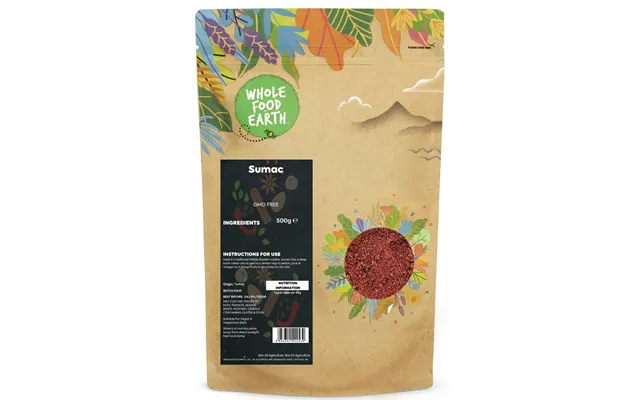
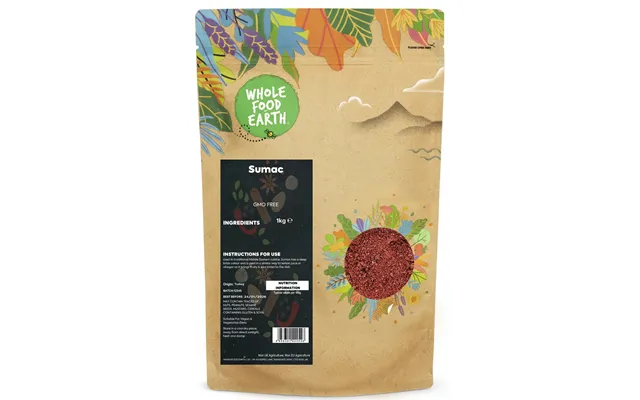
Sumac is a ground berry with a lemony tang that’s less sharp than lemon juice but more aromatic. A pinch or 1/4 tsp on grilled chicken or a salad adds depth without acidity overload. It’s excellent if you want citrus notes without additional liquid.
Dukkah is a crunchy Egyptian mix of nuts, seeds, and spices. Use 1 tbsp crushed and mixed with 2 tbsp olive oil as a bread dip, or press onto fish before baking for texture and flavor in one go. The nutty profile means it doubles as a finishing sprinkle for roasted carrots or avocado toast.
Ras el Hanout can contain dozens of spices, from cinnamon and coriander to more adventurous notes like dried rose petals. It’s a great go-to for a 1 tbsp rub on 1 lb of lamb or a wheat-based tagine. It brings warmth and a subtle sweetness that layers beautifully in slow-cooked dishes.
Furikake usually mixes dried seaweed, sesame seeds, and savory seasonings. Sprinkle 1 tsp over a bowl of steamed rice, popcorn for a savory snack, or a simple grilled salmon fillet for instant umami crunch.
Buying the right form matters. Whole spices (like whole cloves, cinnamon sticks, or black peppercorns) keep their aroma much longer than ground forms. If you rarely cook with a spice, the ground version is more convenient but loses punch faster once opened.
If you use a spice weekly, buy whole and grind 1/4 to 1/2 tsp as needed. If it’s a spice you use once a month, ground is fine — just expect the flavor to fade after about 6 months. For blends like za’atar or dukkah, buy fresh and use within 3 to 6 months for optimal flavor.
Blends save time but can hide added salt, sugar, or fillers. Check labels and opt for blends that list all ingredients clearly. If you love experimenting, buy single spices and build your own blends — it’s cheaper and more customizable.
Want to save money without sacrificing quality? Use a few simple strategies and your pantry will thank you. Shopping for seasonings is partly about price per ounce and partly about freshness and source.
Bulk buys can be a bargain for frequently used spices like cumin, coriander, or smoked paprika. But beware: if you buy a 1 lb bag of something you’ll use only once in a blue moon, the flavor will fade before you finish it. A good compromise is to buy bulk for staples and small jars for specialty “other” spices.
Comparison sites and price trackers can help you spot deals across supermarket brands, ethnic food stores, and specialty spice shops. Don’t assume the supermarket brand is cheapest — sometimes small-batch spice sellers offer better price-per-ounce when they’re on sale.
Labels tell a story if you know how to read them. Look for roast level (important in seeds), salt content, additives, and country of origin — these clues can affect aroma and flavor profile significantly.
Seasoned salts and blends may contain a lot of sodium. If you’re watching salt intake, look for “salt-free” blends or make your own mix with herbs and spices. Also check for anti-caking agents if you prefer a cleaner label — many natural spices avoid them.
Some spices develop character from their origin; smoked paprika from Spain will taste different than one produced elsewhere. If authenticity matters — for example, using Chinese five-spice for an Asian recipe — seek out producers from that region or reputable importers.
Spices are fragile. Light, heat, and air are their enemies. Store them properly and you’ll stretch flavor life by months or even years.
Keep spices in airtight jars away from stovetop heat and sunlight. A cool pantry or a drawer is better than the countertop next to the kettle. Whole spices can retain strength for 2 to 4 years, ground spices for about 6 months to 2 years depending on the spice.
To revive ground spices that have lost a little edge, toast them gently in a dry skillet for 20 to 30 seconds. It releases oils and brightens aroma. Always let them cool before grinding or using to prevent moisture buildup in the jar.
Ready to experiment? Start small — a pinch or 1/2 tsp — and build. These blends can be potent, so taste as you go.
Mix 1 tbsp of your favorite “other” blend with 2 tbsp olive oil and 1 tsp kosher salt, then rub under and over the skin of a 3 to 4 lb whole chicken. Roast at 400°F for about 1 hour to 1 hour 20 minutes, or until juices run clear. You’ll get crisp skin with a depth of flavor from a single rub.
Toss 1 lb of chopped root vegetables with 2 tbsp olive oil and 1 tbsp za’atar. Roast at 425°F for about 30 to 40 minutes until caramelized. The za’atar adds brightness that balances the natural sweetness of roasted veg.
Seasonings can be a huge win for health — they let you cut salt and sugar while keeping big flavor. Look for blends that emphasize herbs and seeds rather than salt, or build your own low-sodium mixes using garlic powder, smoked paprika, dried herbs, and citrus zest.
Combine 2 tbsp smoked paprika, 1 tbsp garlic powder, 2 tsp onion powder, and 1 tsp black pepper for a robust seasoning that adds flavor without relying on much salt. Use 1/2 tsp per serving to keep sodium low while boosting taste.
In the UK you’ve got options: supermarkets, ethnic grocers, farmers’ markets, and online specialty sellers. Each has pros and cons — supermarkets are convenient, ethnic shops often carry authentic and fresher spices, and online retailers can offer rare or single-origin options.
For everyday needs, supermarket brands are fine and often budget-friendly. But for signature blends or spices you use to define a dish, spend a little more at a specialty seller for fresher and sometimes higher-grade options. Also look at customer reviews and freshness guarantees when buying online.
Deals pop up, and if you’re strategic you can keep your spice cabinet interesting without overspending. Comparison tools and aggregator sites can show you price differences, bundle offers, and seasonal sales so you don’t miss a bargain.
Buy bulk staples during seasonal sales like January or summer clearance periods. Specialty blends often get discounted during food festivals or holiday promotions. When you see a favorite blend at half-price, buy a spare jar — assuming you’ll use it within its freshness window.
Think of your spice rack like a set of paint colors. The more varied and good quality the palette, the more creative you can be in the kitchen. Adding a few “other” blends will change how you cook and what you cook — and in the best way, it makes you reach less for the salt shaker and more for the jar.
Seasonings and “other” spices are small investments that return huge flavor rewards. Whether you’re hunting bargains, building a globally inspired spice rack, or simply trying to make weeknight dinners more interesting, a smart mix of za’atar, sumac, dukkah, and a couple of versatile blends will take you a long way. Remember to store spices properly, compare prices before you buy, and don’t be afraid to experiment — you might discover your new signature seasoning.
| Seasonings & Spices - Other | Price | |
|---|---|---|
| C2g 0.5m Db9 - 3.5mm M M Black | £ 17,68 | |
| C2g 0.5m Db9 - 3.5mm M M Black | £ 17,68 | |
| Stevia Stevia Powder 50gr | £ 18,10 |