

Toe Spacers price list
Last updated Monday, 19 Oct 2026





View 18 Offers
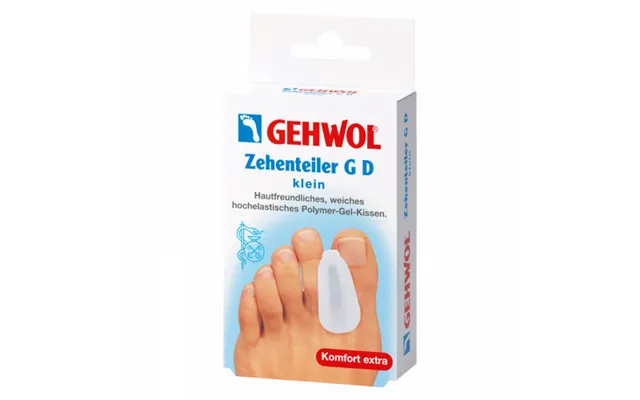
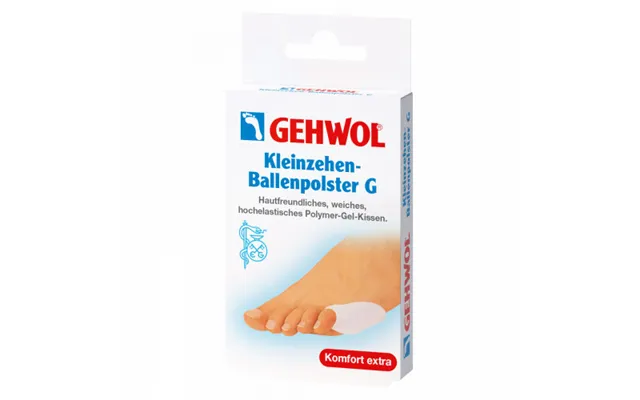
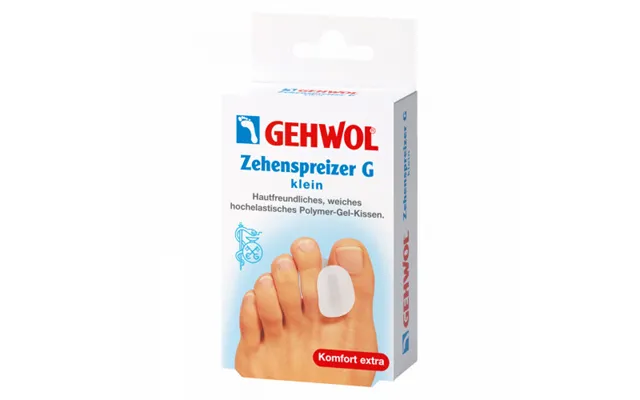
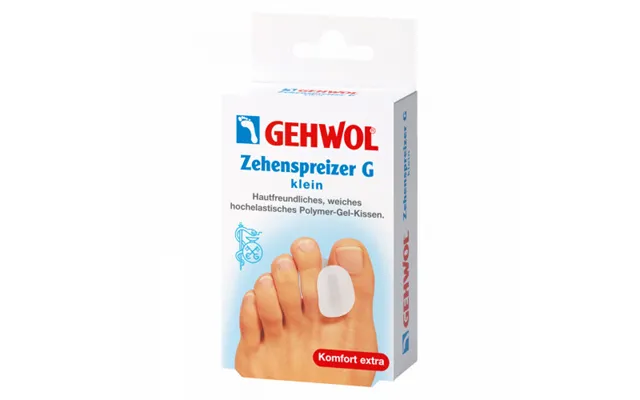
Loading...
Last updated Monday, 19 Oct 2026
Looking for relief from squished toes, aching feet, or stubborn bunions? Toe spacers might be the small-but-mighty upgrade your feet have been begging for. These compact helpers sit between your toes to gently nudge them back where they belong, easing pressure and improving alignment. In the UK, interest in toe spacers has surged thanks to busy, on-your-feet lifestyles and the growing popularity of natural foot health. Below, you’ll find a friendly, practical guide to choosing and using toe spacers, plus smart ways to compare offers and find the best value without guesswork.
Toe spacers are soft separators that fit between your toes to create space, encourage alignment, and reduce friction. Think of them as training wheels for your toes—reintroducing the natural spread your feet were designed to have. Whether you’re dealing with bunions, hammertoes, overlapping toes, or you simply want better comfort in shoes, toe spacers help retrain foot posture and distribute pressure more evenly. The result? Less pain, better balance, and a happier stride from the ground up.
Properly chosen and used toe spacers can create a noticeable difference quickly. You may feel a gentle stretch, improved toe separation, and a reduction in hot spots or rubbing almost immediately. Below are the most common benefits that win people over.
When big toes lean inward, bunions tend to follow. Toe spacers encourage the big toe to sit straighter, which can reduce the constant inward pressure that aggravates bunions. That doesn’t mean an overnight transformation, but many users report less burning and aching around the big toe joint, especially after long days in narrow shoes. Think of it as giving that joint a little breathing room so it doesn’t protest with every step.
Hammertoes and overlaps often cause friction, calluses, and shoe discomfort. Toe spacers insert a soft buffer where toes rub, easing irritation while gently coaxing toes into a more relaxed position. Over time, the consistent spacing can help reduce the “crowded” feeling in the forefoot, similar to taking off a tight ring and letting the finger sigh with relief.
Toes are your body’s stabilisers. When they’re crammed together, balance can suffer. Spacing them out helps your feet spread naturally, improving contact with the ground and boosting stability. It’s like widening the base of a tripod—more support, less wobble. Many people notice a subtle uplift in posture and stride after regular use, especially during standing or slow, mindful movement like yoga.
Not all toe spacers are built the same. Choosing the right style depends on your goals, your shoes, and your daily routine. Here’s a quick overview of common types you’ll see across UK listings.
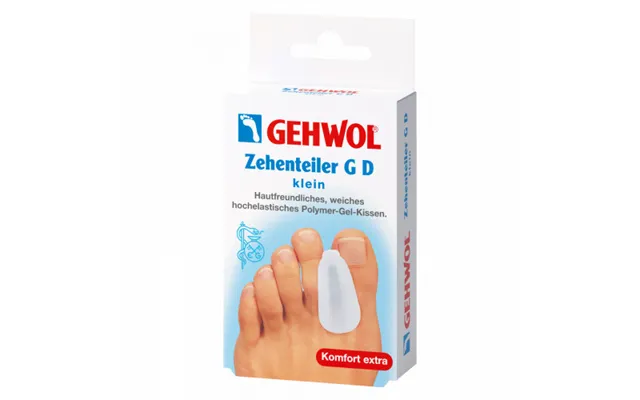
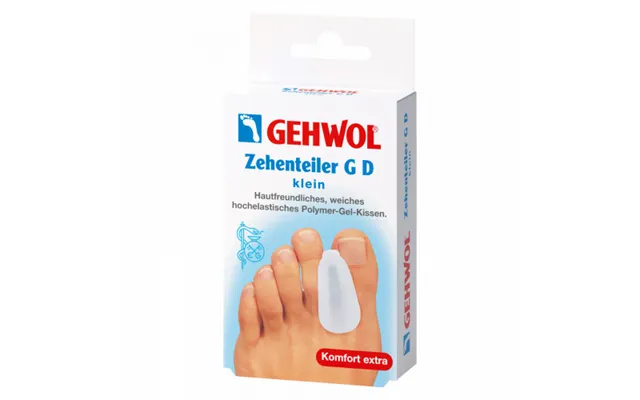
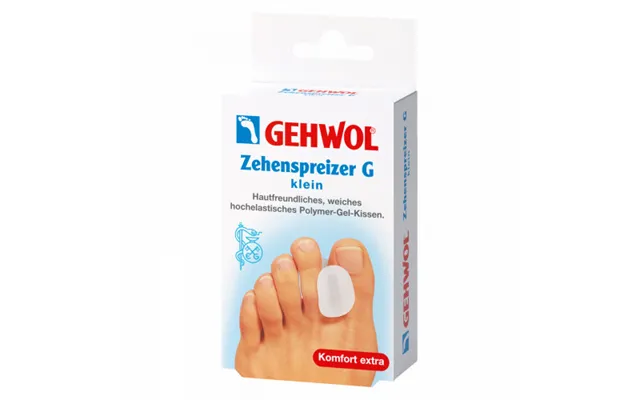
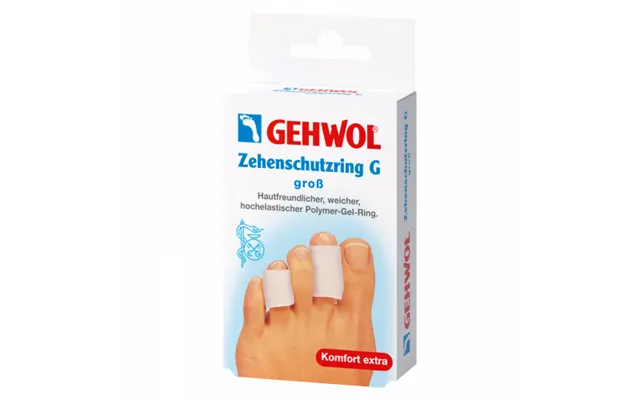
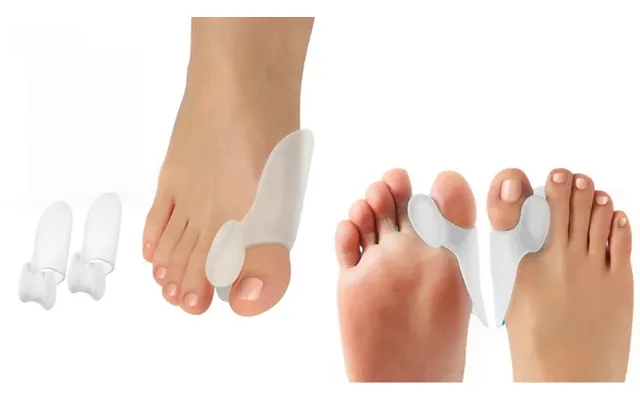
These focus on the big toe, with one loop anchoring around it and a wedge that separates it from the second toe. They’re great if your main issue is bunion pressure or overlap between the first and second toes. Because they’re compact, they often fit inside everyday shoes, especially if you keep the toe box roomy. For light daily use, single-loop designs are a simple, low-bulk option.
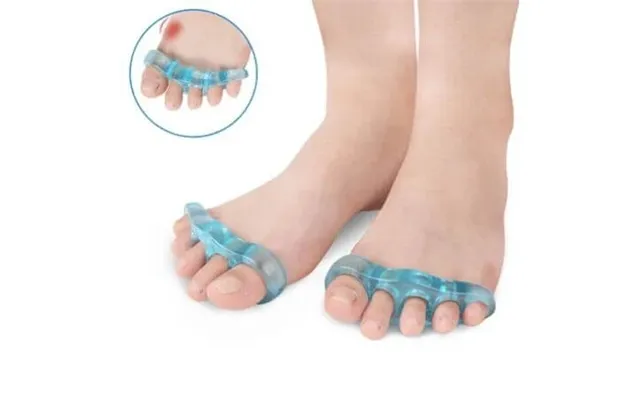
These span across all toes and usually resemble a comb-shaped piece that you slide between each toe. They’re ideal for at-home sessions, stretching after a run, or building foot mobility. While some minimalists wear them in wide shoes, most people use them barefoot during relaxation, yoga, or recovery time. They typically deliver a deeper stretch than single-loop designs.
Medical-grade silicone and soft gel are the most popular choices because they’re durable, flexible, and easy to clean. Foam spacers are feather-light and inexpensive, but they can compress faster. If your skin is sensitive, look for hypoallergenic, latex-free, and BPA-free silicone. A smooth finish helps prevent irritation, and a medium firmness is often the sweet spot between supportive and comfortable.
If your feet feel compressed, unstable, or irritated by toe friction, you’re a great candidate. Below are common profiles that get big benefits from consistent use.
High-impact activities can encourage toes to clump together, especially in narrow trainers. Toe spacers help restore natural toe splay for better push-off and stability. Use a deeper spreader for post-run recovery at home, then switch to a low-profile separator in wide-toe-box shoes for your next outing. Your feet will thank you after 5 miles of pounding the pavement.
Long hours in slim shoes or heels can push toes into awkward positions. Even short daily sessions with toe spacers can help undo that pressure. Many users slip on full-foot spreaders while reading or watching TV at night, then switch to a small bunion spacer for work if their shoes allow. It’s a simple ritual that offers steady, cumulative relief.
Picking the right size is half the victory. Too large, and you’ll feel over-stretched; too small, and you’ll barely notice a difference. Here’s how to dial it in so your toes feel supported—not pried apart.
Instead of chasing a “one-size-fits-all” claim, look for size ranges and clear guidance. Many adult sets come in small, medium, and large. If you have narrow feet or closely set toes, start smaller and aim for about 0.2 to 0.4 in of separation per toe. If your toes already splay wide, a medium or firm spacer with up to roughly 0.5 in separation may feel more effective.
Low-profile designs are best for daytime use and tighter shoes. Deep-stretch designs are superb for lounging, recovery, and mindful movement. If you’re brand new to spacers, start with a softer, low-profile option for 15 to 30 minutes, then gradually introduce deeper stretchers for short recovery sessions. This layering approach keeps things comfortable while still progressing.
Toe spacers should feel like a gentle assist, not a battle. Ease in and listen to your body. The goal is steady, sustainable improvement—not a one-night miracle.
Begin with 10 to 15 minutes a day at home. If all feels well, increase in small steps—add 5 to 10 minutes every few days. Most people settle comfortably around 30 to 60 minutes daily, depending on their goals. You’re retraining tissue and habits that formed over years, so slow and steady wins here.
Many users pop on a pair of soft socks over their spacers to keep them in place. If you wear spacers inside shoes, choose pairs with a roomy toe box. Aim for at least 0.5 in of extra width in the toe area compared to your snug shoes. Avoid cramming spacers into narrow footwear—it defeats the purpose and can cause rubbing.
Good hygiene keeps spacers comfy and your skin happy. A clean spacer is a friendly spacer, and it’s the easiest way to extend its life.
After each use, rinse silicone or gel spacers in lukewarm water and mild soap, then air-dry. Once a week, give them a deeper clean and make sure all moisture is gone before storing. Avoid harsh chemicals and excessive heat, which can degrade the material over time.
Store spacers in a breathable pouch and avoid crushing them at the bottom of a gym bag. If you take them on holiday, a small hard case works wonders to keep their shape. With consistent care, quality silicone sets can stay in good nick for months of daily use.
A little scrutiny goes a long way. The right pair should be safe, durable, and fairly priced. When you compare offers across retailers, keep these checkpoints in mind.
Seek medical-grade silicone, hypoallergenic claims, and latex-free construction. Smooth edges, rounded corners, and a non-sticky finish help reduce friction. If your skin is sensitive, start with softer gel options and watch for any redness or pressure marks during early sessions.
Many sets include two pairs or a mix of sizes, which is handy if both feet have different needs. Some bundles add toe caps, metatarsal pads, or a storage pouch. Value doesn’t always mean the lowest price—it’s the right combo of quality, comfort, and useful extras.
Price varies by material, design, and what’s in the box. As a general guide in the UK, simple single-loop bunion separators often sit in an entry-level bracket, while full-foot silicone spreaders range higher, especially if you’re getting multiple pairs. Mixed bundles that include spacers plus toe caps or metatarsal pads can be a great deal if you’ll actually use the extras. Prioritise fit and material first; a well-made set that lasts is usually better value than a bargain that splits or irritates after a week.
Toe spacers shine even brighter when paired with the right supporting cast. Here are helpful add-ons that can enhance comfort, alignment, and overall foot health.
Soft sleeves cushion the bunion area and spread pressure more evenly inside shoes. Pair a bunion sleeve for daytime wear with a deeper full-foot spacer for evening recovery. It’s a one-two combo that keeps progress rolling around the clock.
If forefoot pressure or burning is the problem, metatarsal pads give targeted relief. They lift and redistribute load away from hot spots, especially helpful if you walk several miles a day on hard pavements. Combine with toe spacers to address both alignment and pressure at the same time.
Toe socks encourage natural toe independence during normal wear. They won’t replace spacers, but they reinforce the habit between sessions. Look for breathable, moisture-wicking fabrics to keep skin calm on longer days.
There’s plenty of buzz around toe spacers, and not all of it is accurate. Let’s clear the air so you can set realistic expectations and get results.
They’re a win for bunions, sure, but they also help with hammertoes, overlapping toes, discomfort in narrow shoes, and post-run recovery. If your toes feel crowded or your balance wobbly, spacers can be part of the solution.
Feet are like fingerprints—unique. A spacer that’s perfect for one person could be too firm for another. Choosing the right size and firmness, then progressing gradually, is far more important than any one-size claim.
Toe spacers support change over time. Think weeks and months, not hours. Use them consistently, combine with simple foot-strength moves, and choose better-fitting shoes to build on your progress.
Want to squeeze more value from every minute you wear spacers? Blend these simple habits into your routine and let the progress stack up.
Short daily moves go a long way: towel scrunches, big-toe lifts, and arch doming for 2 to 3 sets. Even 5 minutes helps. Strong toes and arches work with spacers to keep alignment improvements throughout the day.
Gently stretch calves, ankles, and the plantar fascia to support your new alignment. Try rolling a ball under your foot for 2 to 3 minutes, then follow with ankle circles. Little rituals like this before bed can speed comfort gains.
If the toe box is tight, progress stalls. Aim for shoes with at least 0.3 to 0.5 in of extra space across the forefoot and enough depth so toes aren’t pressed from above. Your spacers will work better when your shoes stop fighting them.
From rainy commutes to weekend rambles, UK life keeps feet busy. Boots can be snug, work shoes can be narrow, and long days on pavements add up. Toe spacers help restore the natural toe spread that weatherproof and dress shoes sometimes compress. Consider a low-profile spacer during your day if your shoes allow, then switch to a deeper stretcher at home. Over time, this rhythm can offset the squeeze of daily footwear and keep you comfortable through every season.
Looking to stretch your budget as well as your toes? Price comparison platforms, such as ZoneOffer, make it easier to scan multiple retailers, spot fair prices, and check what’s bundled in each set. Instead of hopping between tabs, you can quickly evaluate materials, pack sizes, and extras side by side. That clarity helps you choose the best-value option for your needs, whether you want a simple single-loop separator or a multi-pair recovery bundle. Better information means smarter buys and fewer returns.
Toe spacers are a small change with a big payoff: more comfort, better alignment, and steady relief from cramped-toe problems. Start simple, choose the right style and size, and build your routine gradually. Pair your spacers with sensible shoe choices, basic strength work, and a few supportive accessories where needed. If you compare offers carefully—prioritising quality materials and a fit that suits your feet—you’ll land a set that delivers day after day. Your feet carry you everywhere; treat them well, and they’ll return the favour with every step.