

Pet Heating Pads price list
Last updated Monday, 19 Oct 2026



View 13 Offers
Loading...
Last updated Monday, 19 Oct 2026
When the temperature drops and your pet seeks the warmest corner of the house, a pet heating pad can feel like a hug they don’t have to ask for. These pads add steady, soothing warmth that helps with stiffness, recovery, and everyday comfort. Whether your buddy is a puppy, a senior cat, or a small animal with a thin coat, targeted heat can transform nap time and overall wellbeing.
Warmth isn’t just cozy—it’s therapeutic. Gentle heat supports circulation, eases tight muscles, and can reduce joint discomfort in older pets. Think of it as a warm compress that your pet can lie on. For post-surgery recovery or calm-down time after a long walk, the right heating pad delivers consistent, safe comfort without you having to constantly readjust blankets.
Young animals can’t regulate body heat well, seniors get stiff, and small pets lose heat quickly. If your dog or cat shivers, avoids cold floors, or seeks the warmest cushion in the room, a heating pad is a smart upgrade. Rabbits, guinea pigs, and even hairless breeds benefit too. It’s a simple way to give them the cozy base they crave—no fireplace required.
Indoors, pads offer a warm oasis on sofas, in crates, or inside pet beds. Outdoors, look for weather-ready pads designed for kennels and porches. A pad under a bed cushion can shield against chilly floors and drafts. If your pet naps in a garage or conservatory, a rugged, water-resistant pad makes the space pet-friendly through frosty mornings.
Not all heating pads are created equal. From plug-in models to self-warming mats, each style solves a different problem. Compare designs carefully so you don’t overbuy—or end up with a pad that doesn’t match your pet’s habits. The good news? There’s a near-perfect pad for almost every pet and situation.
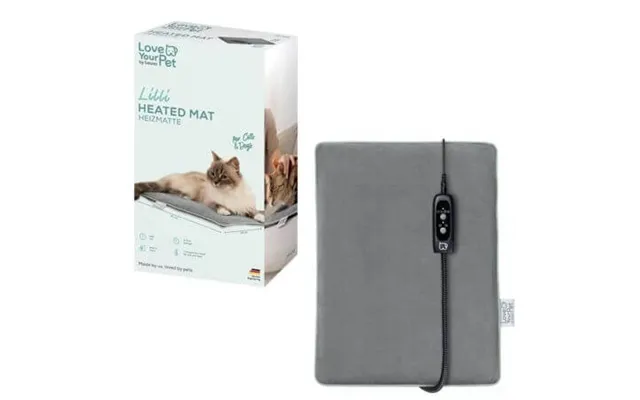
Electric pads provide consistent, controllable warmth—ideal for seniors and recovery. Look for built-in thermostats, chew-resistant cords, and durable, washable covers. Great pads warm to pet-safe ranges and maintain steady comfort without hot spots. Think “reliable and adjustable” when you want predictable performance day and night.
Prefer no cords? Self-warming mats use your pet’s own body heat, reflecting it back for a gentle boost. They’re perfect for travel, day beds, and pets who nap all over the house. Lightweight, quiet, and no setup required, they offer a subtle, safe warmth that’s surprisingly effective—especially in snug spaces like carriers and window perches.
Microwaveable inserts store heat for hours and then slowly release it. They’re fantastic for nighttime comfort or as a backup when you don’t have a plug nearby. Because the warmth gradually fades, they’re less intense than electric pads. Follow timing directions, wrap in fabric covers, and check by touch before handing it to your furry friend.
Some pads come integrated into plush beds or blankets, so your pet gets warmth plus a nest-like feel. These are excellent for pets that like to burrow. If your pet adores a certain sleeping style—on the couch, in a donut bed, or sprawled—there’s likely a heated version that mirrors their favorite spot, just toastier.
Pet-safe heating is about measured, consistent warmth. Good pads are designed to avoid overheating, resist chewing, and stay stable on floors. When you’re comparing options on trusted comparison platforms like ZoneOffer, prioritize the features below to keep things cozy and worry-free.
If your pet chews, don’t gamble. Seek reinforced cords with protective sleeves and a design that limits potential hazards. A chew-resistant build reduces the temptation and the risk. If your pet is persistent, consider cordless options—self-warming or microwave-activated—so curiosity doesn’t become a safety issue.
Smart heat management is your best friend. A built-in thermostat helps maintain a steady temperature, auto shut-off helps with peace of mind, and overheat protection prevents hot spots. If a pad lets you select a pet-safe range and then stays there, you can relax while your pet naps—and that’s the whole point.
Accidents happen. Waterproof liners protect the heating element, while fire-retardant fabrics add extra safety. Non-slip bottoms keep the pad steady when pets circle or jump on. If your pet has incontinence issues or drools, these protective layers are non-negotiable for long-term reliability and hygiene.
Size matters with heat. Too small and your pet won’t settle; too big and the warmth spreads thin. Aim for a pad that invites your pet to curl comfortably without dangling paws. Matching the pad to your existing bed or crate is often the simplest route to a hit on the first try.
Measure your pet from nose to base of tail while sleeping in their favorite position, then match that to the pad’s usable surface. For crates, confirm the interior length and width in inches. You want a pad that fills the base without bunching, so it stays flat under pressure and delivers even heat.
Thicker pads add cushioning and can feel plusher for bony elbows and hips. However, a slimmer profile often transfers warmth more directly. If your floors are cold, a pad with supportive foam plus a heated layer earns its keep. Lightweight designs suit travel and stairs; heavier builds excel in drafty rooms.
Sharing is caring—but only if the pad fits two. If your pets pile up, choose a wider pad or two separate pads placed side by side. This avoids squabbles and ensures both pets get access to the warm zone. Bonus: separate pads make it easier to tailor temperatures and fabrics to different needs.
Warm doesn’t mean hot. Pets prefer gentle, steady heat that mimics a sunny spot on the carpet. When in doubt, keep it moderate and give your pet a cooler area to move to if they want a break. Seasonal tweaks help you get it just right all year long.
For most cats and dogs, comfy warmth hovers in the low 100s °F at the surface, often around 100–102°F. If your pet runs hot or has a thick coat, aim lower. Always test with your hand first; it should feel pleasantly warm, never hot. Young, senior, or sensitive pets may prefer slightly milder warmth.
In winter, use heated pads to counter cold floors and drafts. In spring and fall, lower heat settings or switch to self-warming mats. During summer, consider using the pad early mornings and nights only, or swap for breathable cooling beds when heatwaves roll in. The goal is choice: warm zone here, cooler zone there.
Place pads where cold sneaks in—near doors, under windows, or on stone and tile. In outdoor kennels, use weather-ready models and elevate the pad with a cot-style bed to keep it away from damp ground. A windbreak and a well-fitted cover turn a so-so perch into a snug den your pet willingly returns to.
You’ll use a heating pad more if it’s easy to clean, simple to operate, and flexible enough to move around. Look for practical touches that reduce chores and boost day-to-day satisfaction. The best pad is the one you actually use—every day.
Pets track in life—fur, mud, and the occasional snack crumb. Removable covers that zip off and wash fast keep the pad fresh with minimal effort. Opt for soft tops and tough undersides so you get snuggle comfort and sturdy traction in one go. Spare covers are a handy add-on.
Clear settings make all the difference. If your pad includes a timer, you can set it and forget it for bedtime, naps, or kennel time. Simple, tactile buttons beat fiddly menus. If you prefer hands-off simplicity, a self-regulating pad without complex controls can be the easiest to live with.
Heading on a road trip or popping to the cottage? Lightweight, foldable pads slip into carriers and crates, helping pets feel at home in new places. Self-warming mats are the ultimate low-fuss travel mates; microwave-activated inserts are great backups where plugs are scarce. Familiar warmth eases anxiety in unfamiliar rooms.
Different pets, different needs. Tailor your pick to your companion’s habits, age, and health. If you picture how and where your pet actually sleeps, you’ll make a smarter choice the first time—and they’ll use it more.
Seniors and large breeds often wake up stiff. A well-cushioned heated pad eases joints and helps them rise more comfortably. Post-exercise, it’s like a spa day for hips and shoulders. Place it in their usual bed or crate so the routine stays familiar—less fuss, more relief.
Cats love warmth and security. Slip a heating pad into a covered bed or perch near a window for a happy loafing spot. For anxious or newly adopted cats, gentle heat plus a hidey-hole can help them decompress. Watch for purring puddles and long, satisfied stretches—classic signs you nailed it.
Small pets can chill quickly in drafty rooms. A low-intensity pad beneath a layer of fleece offers comfort without overheating. Ensure they can move off the warm area easily. Non-electric options often work best here—quiet, cord-free, and easy to tuck under a favorite hide.
Safety is simple when you set your pad up thoughtfully. Place it correctly, supervise at first, and check in regularly. Most pets figure it out fast, but a calm introduction helps them associate the pad with comfort from day one.
Put the pad on a flat, stable surface and cover it with the provided cover or a thin blanket. Introduce your pet with treats and calm praise, and supervise the first few sessions. Keep cords tucked away and the pad out of high-traffic zones where it could shift underfoot.
Start with a lower setting and a shorter session, then build from there. Give your pet a cool alternative nearby so they can self-regulate. If they leave the pad after a few minutes, that’s normal at first—curiosity wins out eventually. Follow their lead rather than pushing.
Wash covers frequently, and spot-clean the pad surface with a damp cloth as recommended by the manufacturer. Inspect cords, seams, and non-slip bottoms. If your pet had an accident or tracked in a mess, allow the pad to dry completely before the next session. Treat it like you would any beloved appliance: wipe, check, repeat.
Comparing specs and prices across trusted platforms is the fastest path to the right pad. On a comparison site like ZoneOffer, you can line up features side by side and filter by size, materials, or heat type. Here’s what to prioritize so you capture real value, not just a flashy discount.
Seek products from brands that publish safety testing and back their pads with solid warranties. That shows confidence in durability and components. If you see clear safety notes, tested temperature ranges, and straightforward warranty terms, that pad deserves a longer look in your shortlist.
Scan for reviews from owners with pets like yours—senior Labradors, indoor-only cats, or rescue rabbits. Look for patterns about heat consistency, cover quality, and cord toughness. One-off grumbles happen; repeated comments reveal the truth. Photos help too: they show the real size and how the pad fits common beds.
A strong deal might include extra covers, carry bags, or compatible bed frames. Before you click, ask: does this pad save me time, cleaning, and hassle? A slightly higher price for better fabric and washable parts often wins in the long run. True value is what lasts, not what’s cheapest today.
While specific stock and promos change, you’ll often find dependable options across three tiers: budget essentials, mid-range favourites, and premium picks with advanced safety. Keep an eye out for seasonal bargains—cold snaps often bring steep discounts if you compare at the right time.
Look for simple, self-warming mats for healthy adult pets who just want a warmer perch. Microwave-activated packs are another wallet-friendly choice for occasional use. Prioritize washable covers and a non-slip base. If you’re trying heating pads for the first time, these offer a low-risk introduction.
These typically add thermostat control, better fabric, and sturdier stitching. They suit seniors, anxious pets, and households that will use the pad daily. In this tier, you often get strong safety features and thoughtful design—like cord exits that angle away from curious mouths and easy-read controls for sleepy mornings.
Premium pads focus on even heat distribution, plush comfort, and top-tier durability. Expect reinforced edges, water-resistant interiors, and long-lasting covers. If your pet relies on heat for pain relief or you plan to run the pad daily through winter, this bracket can be worth every penny.
A great pad can underperform if you set it up wrong. Avoid these pitfalls and you’ll get the warm, happy naps you envisioned—without any stress or mess.
Cranking up the heat doesn’t equal better. Start low and test the surface with your hand. Your pet should feel lured in, not blasted. If they hop off quickly, turn it down and try again later. Comfort beats intensity every time.
A pad that’s too small becomes a cat toy. Too big, and the warmth spreads thin. Match size to sleeping style, and pick textures your pet loves—plush for burrowers, smoother tops for shedders and hot-natured pets. If they already adore a bed, sliding a compatible pad underneath is a winning move.
Pets are great at telling you what works. If they avoid the pad, check temperature, placement, and texture. If they sleep half on and half off, they may want a lower setting or a thinner cover. Watch, adjust, and you’ll land on the sweet spot faster than any manual could promise.
Worried about energy or materials? You can keep your pet toasty while staying mindful. The right habits and products stretch comfort without wasting resources—good for your pet, your bill, and the planet.
Place pads where warmth matters most—near your pet’s usual nap zone—to avoid running them unnecessarily. Use timer features, and pair electric pads with self-warming mats so you can dial down settings. A draft-free corner magnifies comfort without extra energy.
Durability is the ultimate eco feature. Reinforced stitching, quality foam, and robust covers mean fewer replacements. A solid pad that lasts several seasons beats a cheap one that flakes after a few washes. Buy once, cry once—and let your pet enjoy long-lasting warmth.
Reusable microwave inserts and electric pads beat single-use warmers by a mile. If you love the convenience of packs, choose ones designed for regular reheating, with covers you can wash. Your pet gets reliable comfort, and you skip the cycle of constant replacements.
Ready to pick a winner? Pause for a quick checklist, compare a few favorites side by side, and you’ll feel confident in minutes. Your pet’s new happy place is just a thoughtful choice away.
Look for steady, pet-safe heat; a durable, removable cover; non-slip base; safety features like overheat protection; and a size that matches your pet’s sleeping style. If cords are a concern, choose self-warming or microwaveable pads. If your pet has special needs, select a pad noted for consistent, gentle warmth.
Timers, multiple heat settings, spare covers, travel-friendly folding designs, and weather-resistant materials for porches or kennels add real value. Whisper-quiet operation is a plus for anxious pets. If you’ve room to upgrade, these upgrades deliver daily convenience you’ll appreciate long after unboxing.
Pet heating pads turn chilly floors into cozy havens and restless nights into deep, contented sleep. By matching the pad type to your pet’s age, size, and habits—and prioritizing safety features—you’ll create a warm retreat they’ll choose again and again. Compare thoughtfully, start with gentle heat, and watch your companion melt into the comfort you’ve curated. That’s the magic of the right warmth in the right place.