

Game Timers price list
Last updated Monday, 19 Oct 2026


View 16 Offers







Loading...
Last updated Monday, 19 Oct 2026
Want tighter turns, fewer arguments, and more laughs at game night? A great game timer is the secret weapon that keeps play moving while staying fair for everyone at the table. Whether you’re hosting a family evening, grinding through a chess match, or running a lively pub quiz, the right timer transforms the experience. In the UK, there are loads of offers on digital chess clocks, sand hourglasses, buzzer timers, and flip timers—so it pays to compare before you buy. This guide breaks down types, features, and smart buying tips so you can snag the deal that fits your table and your budget.
Ever watched a simple turn stretch on forever? Timers keep momentum without making anyone feel rushed. They clarify expectations, reduce analysis paralysis, and stop those awkward “Is it still your turn?” moments. Good timing tools also add excitement—when the beep is coming, decisions get sharper and gameplay gets thrilling. And because time is consistent for everyone, you get more fairness and less friction. That’s true for two-player duels, party games with a crowd, and even puzzle challenges where you want a friendly race against the clock.
Digital dual timers are the go-to for competitive two-player games. Each player has a dedicated countdown, and pressing the top button switches turns instantly. Look for clear, backlit screens with large 2-inch numerals you can read from across the table, tactile buttons that won’t double-press, and timing modes like delay or increment. Many run on AAA batteries, while some offer USB charging, which is convenient for clubs and cafes. If you play chess, Go, or abstract strategy games, a dual timer is simply indispensable.
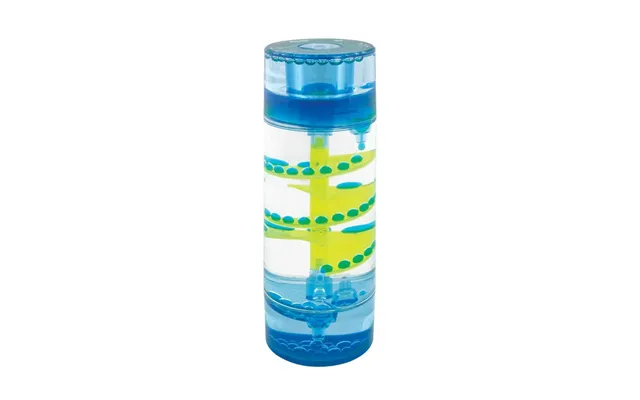
Sand timers bring a satisfying, analog feel to the table. They’re intuitive—flip and go—making them perfect for family games and classrooms. Sets often include different durations like 30 seconds, 1 minute, 3 minutes, and 5 minutes, so you can match time to the task. For durability, consider acrylic bodies or wood-framed hourglasses rather than thin glass, especially if kids are involved. They’re silent, easy on the eyes, and they add a touch of style to any setup.
Running a trivia night or a chaotic party game? A single-turn timer with a loud alert or buzzer keeps the energy high and the rules crystal clear. The best ones have oversized buttons, simple start/stop controls, and adjustable volume so the alert cuts through conversation. If you host events, look for timers that are audible from 20 feet away and bright enough to spot under dim pub lighting. You’ll spend less time wrangling the room and more time laughing at the answers.
Cube timers are brilliantly simple: rotate to the side printed with your desired time, and the countdown starts automatically. They’re the definition of user-friendly and fantastic for groups who don’t want to fiddle with settings. Because each face represents a preset duration, look for a cube with times you’ll actually use—common faces include 1, 3, 5, 10, and 15 minutes. The right cube timer can become your go-to for everything from brainstorming sessions to speed rounds.
Phone apps are quick and convenient, but they’re not always table-friendly. Notifications and autoclocks can interrupt, and tapping a touchscreen can be clumsy mid-game. Physical timers are tangible, consistent, and visible to everyone, which helps avoid disputes. Still, apps are great backups when you’re traveling light. If you do use a phone, switch to airplane mode and boost screen brightness so everyone can follow along.
Two timers can look similar and perform very differently. Before adding one to your basket, scrutinize the display, controls, alert options, modes, and power setup. You’re looking for a device that’s easy to read, easy to use, and reliable under pressure. Solid build quality matters, too—especially if you’ll toss the timer into a backpack or pass it around a crowded table every weekend.
Think about your environment. A late-night living room calls for gentle beeps or a silent visual flash. A tournament or quiz needs volume that carries across 20 feet without being shrill. The best timers offer multiple sound levels, a mute option, and a visual cue like a flashing icon. A loud alert is useless if it’s startling; aim for a tone that’s assertive, not abrasive.
Nothing kills flow like squinting at a tiny screen. For digital timers, big 2-inch numerals and a bright backlight are worth it. Anti-glare lenses help under overhead lighting, and a high-contrast display (light digits on dark or vice versa) makes a difference from across the table. For sand timers, choose bold, high-contrast markings on the frame so everyone knows the duration at a glance.
Gaming gear takes a beating—spills, knocks, and the occasional drop. A sturdy housing, recessed screen, and rubberized feet help the timer stay put and survive real-world use. If you plan to carry it between meetups, consider a protective pouch. For hourglasses, look for shatter-resistant materials or a frame that shields the glass from side impacts.
Battery anxiety is real, especially during tournaments or long game days. Timers that run on common AAA batteries are convenient to keep in your kit, and auto-sleep helps conserve power. USB-rechargeable models are handy if you have a power bank nearby. Whichever you choose, check the estimated runtime and consider keeping a spare power option with your game bag.
Different games benefit from different timing styles. Chess players will want increment and delay modes; party hosts might prefer a straightforward countdown with a big, bold alert. If you’re coaching or teaching, an interval mode (work/rest cycles) can be helpful. Precision matters for competitive play—look for timers with consistent accuracy and responsive buttons that won’t miss presses.
The right timer depends on what you play and who’s around the table. Start from your typical game nights—family, competitive, party—and work backward to the features you’ll actually use. When the timer complements your style, it feels effortless and adds just the right amount of pressure.
For big-box board games where decisions can drag, a visible, shared countdown keeps things fair and fun. A cube or flip timer is ideal here—no menus, no confusion. Set a short turn window to keep the pace snappy and the laughs coming. You can even use a sand timer for a gentler nudge that blends into the theme of classic tabletop play.
When every second is part of the strategy, a dual digital chess clock is non-negotiable. You’ll want solid buttons, clear digits, and timing modes tuned to your preferred format. If you play in clubs or competitive settings, pick a model with a sturdy base and a display readable from both sides of the board so spectators can follow along.
Energy and clarity rule at parties. A buzzer or big-button timer with a bold countdown keeps the room focused and engaged. Look for adjustable volume and bright indicators that cut through background noise. A versatile timer that can handle 30 seconds for speed rounds and 2–3 minutes for longer challenges is the sweet spot.
For mixed ages, simplicity wins. Sand timers are great because they’re intuitive: no instructions, no batteries, and no distractions. Pick a set with multiple durations and sturdy frames. If you prefer digital, a large single-button countdown timer with a friendly chime is easy for kids to use without constant adult supervision.
Prices on game timers can swing with seasonal sales, new releases, and retailer promotions. To avoid overpaying, start with a trusted comparison platform that aggregates offers from multiple shops. That lets you quickly see who’s running a discount and whether the features you want are available at a better price. A few minutes comparing often translates into real savings.
Watch for deals around major gifting seasons, school terms, and big gaming events. If the timer you want isn’t urgent, add it to a wishlist and monitor price drops. Consistent tracking helps you separate true bargains from modest markdowns, so you buy at the right moment.
A rock-bottom price can hide extras like premium battery packs or carry cases you might need later. Factor in what’s included—spare feet, protective covers, or multiple sand hourglasses in a set. Sometimes a slightly higher upfront cost nets better value and fewer add-on purchases down the line.
If you host regularly, consider bundles: a dual digital timer for duels, a buzzer timer for parties, and a sand set for family play. Buying as a kit can reduce per-item costs and gives you the right tool for every occasion. It’s a smart approach if you run events or rotate game styles week to week.
A few simple habits make your timer a seamless part of game night. Most issues come from unclear settings or disagreement about rules—solve those once and the timer becomes the facilitator, not the friction.
Before a big session, do a quick test. For digital models, confirm the beep volume, backlight, and chosen modes. For sand timers, flip and watch the flow once or twice to make sure grains aren’t clumping. If you’re using a dual timer, practice swapping turns so everyone understands the rhythm.
Decide how strict you’ll be: Does the turn end immediately at the beep, or do players finish an action? What counts as a pause? Clear guidelines avoid arguments mid-game. For group games, write a one-line rule and keep it visible so new players know the drill.
Place the timer where everyone can see it and reach it—ideally within 2 feet of the active player. For dual timers, keep it behind the board within easy finger reach. Avoid clutter near the controls so you don’t accidentally stop the clock while reaching for a card or token.
One person’s perfect beep is another’s headache. Pick an alert that fits your environment and the time of day. Many modern timers give you options—use them. You’ll keep the game flowing without disturbing housemates, neighbors, or the table next to you.
Opt for a timer with vibration, a soft chime, or a silent visual cue. A dimmable display also helps maintain the mood. If you’re using a phone as backup, turn off haptics on the table surface to avoid that buzzing echo through the wood.
Clarity is king in noisy spaces. You’ll want a louder, crisp tone and a bright display aimed toward the players. Rubber feet can prevent the device moving when buttons are pressed quickly. If you host events, carry a backup timer so a dead battery never derails a round.
A little care goes a long way. Clean buttons keep clicks crisp, and protected screens stay readable. With sand timers, proper storage prevents clogs and cracks. Treat your timing gear like part of your core gaming kit and it’ll reward you with years of reliable service.
Wipe screens with a soft, dry cloth and avoid harsh cleaners. If your timer travels, consider a slim case to stop scratches. Keep snacks and drinks away from buttons—crumbs can cause sticky presses over time. If a button starts to misfire, a gentle air-dust can often restore it.
Store hourglasses upright on a stable shelf. Extreme temperature swings or damp areas can affect the sand’s flow. If an hourglass ever shows uneven timing, it may have absorbed moisture—give it a dry, warm day and retest before discarding it.
Turn off backlights when you don’t need them, and enable auto-sleep if your model supports it. Keep a couple of spare AAA batteries in your game bag. For rechargeable models, top up before events and avoid leaving them at 0% for long periods, which can stress the battery.
Want to save cash or reduce waste? You’ve got options. Durable sand timers last for ages, rechargeable units cut down on disposables, and gently used timers can be a bargain. As always, balance savings with reliability—your game night deserves dependable tools.
A straightforward kitchen timer can double as a game timer nicely. Many have loud alerts, magnetic backs, and simple dials or buttons. If you go this route, check the readability from your typical seating distance and confirm the beep isn’t painfully sharp in smaller rooms.
Phones are convenient but distracting. If you must use one, switch to airplane mode, turn off auto-lock, crank up brightness, and set a neutral alert tone that’s easy on the ears. Use a stand so the countdown is visible to everyone, and agree on who controls the timer to avoid disputes.
Not sure where to start? Match a timer to your use case and you’ll rarely go wrong. Think about who you play with, where you play, and how strict you want the pacing to be. Then choose the features that make the most sense for you.
Pick a dual timer with a sturdy base, 2-inch digits, and dedicated buttons for start/stop on each side. Bonus points for a clear mode indicator, multiple alert volumes, and a backlight that won’t glare. It should feel stable and responsive when you slam those buttons under pressure.
Look for a four- or six-pack with clearly labeled durations and protective end caps. Acrylic bodies offer durability, and a wood stand looks great on the table. You’ll get flexible timing for everything from short puzzle rounds to longer drawing or guessing challenges.
A bright, big-button buzzer with a bold countdown display keeps rowdy crowds in check. Adjustable volume, a wide viewing angle, and a non-slip base are the trifecta for quizzes and team games. If you host often, consider a spare so you can run simultaneous tables.
Choose a cube with the time presets you use most and a clear audible beep. Models with an optional chime and an on/off switch are easier to manage in group settings. The beauty here is speed—flip and go means minimal setup and maximum fun.
For gaming on the go, a slim timer with a clip or lanyard slot is ideal. Make sure the screen is legible at arm’s length and that the button layout prevents accidental presses in your pocket. A lock switch or recessed buttons are small features that make a big difference.
Before you commit, run through the essentials: Is the display readable from your typical seating distance? Do the alert options match your space? Are the timing modes right for your games? Is the build sturdy enough for travel? How’s the power setup—AAA, rechargeable, or both? Finally, compare offers to make sure you’re getting the best value for the features you need.
The best game timer is the one that fits your table, your crowd, and your style. Digital chess clocks deliver precision for head-to-head duels, sand timers bring friendly simplicity to family nights, and buzzer or cube timers shine at parties and pub quizzes. In the UK, there are plenty of competitive offers—so compare features, read the fine print, and pounce when the right deal appears. With the perfect timer on hand, turns stay tidy, play stays friendly, and game night becomes the highlight of the week.