
Bellows price list
Last updated Sunday, 27 Sept 2026
| Bellows | Price |
|---|---|
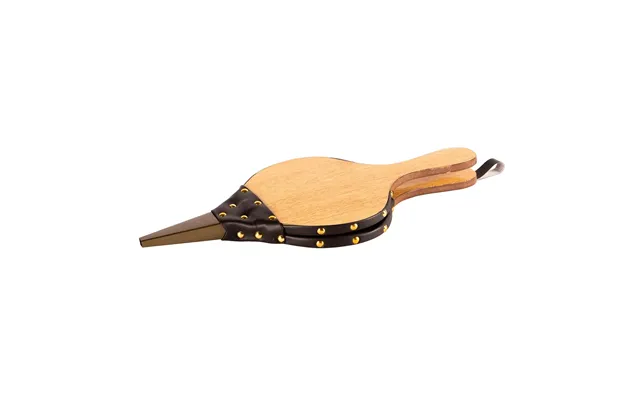
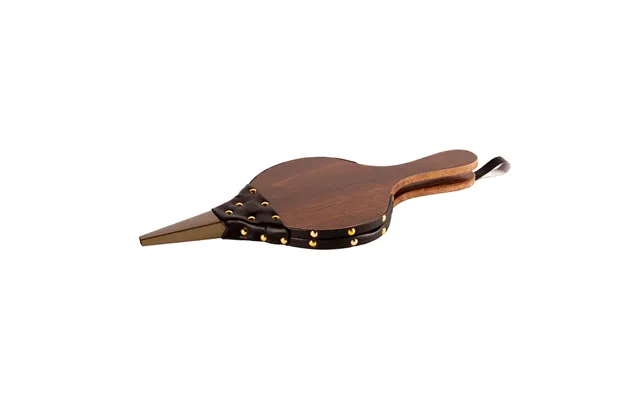
| 155mm Dark Wood Fireplace Wood Bellows | £8.99 |
| 155mm Light Wood Fireplace Wood Bellows | £9.99 |





Loading...
Last updated Sunday, 27 Sept 2026
| Bellows | Price |
|---|---|
| 155mm Dark Wood Fireplace Wood Bellows | £8.99 |
| 155mm Light Wood Fireplace Wood Bellows | £9.99 |
Think a fireplace bellows is just a quaint relic hanging by the hearth? Think again. Bellows are timeless for a reason: they make starting and reviving a fire faster, cleaner, and more controlled. Whether you’re tending an open fireplace, a wood-burning stove, or even a backyard fire pit, a good bellows can turn a stubborn ember into a rolling blaze in seconds.
Bellows work by pushing a strong, targeted stream of air right where your fire needs it most—under the embers and into the heart of the fuel. That burst of oxygen feeds combustion, reducing smoke and helping logs catch quicker. It’s like giving your fire a deep breath, exactly when it needs one.
Bellows have been warming rooms for centuries, yet they still earn their place beside modern hearths. Why? They’re quiet, hand-powered, and surprisingly efficient. When you want control without cords, fuel, or noise, a bellows delivers that nostalgic charm and practical punch in one handy tool.
Not all bellows are created equal. The best one for you depends on your fireplace size, décor style, and how you like to build a fire. Here’s how the main types stack up and who they’re for.
Classic hardwood frames with genuine or faux leather sides remain favorites. They pair well with period homes and rustic interiors, while brass or iron nozzles add durability and style. A traditional bellows around 18 to 20 inches balances airflow with easy handling for most open hearths.
If you love sleek lines and modern finishes, metal or composite bellows look the part and can handle frequent use. Powder-coated shells resist scuffs, while synthetic bellows material stands up to heat and humidity. They’re often lighter, making rapid pumping less tiring.
Smaller spaces call for nimble tools. Compact bellows—often 12 to 16 inches—are perfect for wood stoves and smaller hearths. They offer precise airflow, so you can aim under the grate or through a stove door without blasting ash everywhere.
The best bellows blend style with smart engineering. Before you fall for a pretty faceplate or engraved wood, check the details that matter for daily use and long-term durability.
A narrow, tapered nozzle concentrates airflow where you want it. A 4 to 6 inch metal nozzle is ideal for most hearths, while longer nozzles help you reach into deeper stoves. Look for heat-resistant metals that won’t warp or discolor after repeated use.
A well-made one-way valve lets air in when you open the bellows and forces it out as you squeeze, creating a strong, steady puff. If the valve leaks, you’ll work harder for weaker results. High-quality valves make each squeeze count and keep smoke from backing into the bellows.
Good bellows feel solid yet easy to grip. Smooth, rounded handles save your hands during longer sessions. A built-in hanging strap or loop is a plus—store your bellows off the floor to keep them clean and ready for action beside the mantel.
Size influences airflow, precision, and comfort. Bigger isn’t always better, especially if you’re using a compact stove or you prefer lighter tools. Match your bellows to your firebox and your style of fire-making.
For most open fireplaces, a bellows around 18 to 22 inches provides generous airflow without feeling unwieldy. If your fireplace is especially wide or deep, go toward the upper end. A medium bellows achieves a sweet spot between power and control for daily use.
Stoves with smaller doors need precision. A 14 to 18 inch bellows with a slender nozzle slides in easily and hits the embers just right. For outdoor fire pits, consider 18 to 24 inches for extra reach, especially if you prefer to keep a comfortable distance from the flames.
Beauty brings a bellows to your hearth; craftsmanship keeps it there for years. Pay attention to wood type, leather quality, seams, and finish—all of which affect longevity and the way your bellows ages with your home.
Oak is tough and classic, walnut brings a rich, dark tone, and beech offers a lighter, clean look. Hardwoods resist dents and warping, especially near warm hearths. If you like a heritage aesthetic, look for hand-finished wood with protective oil or varnish for depth and durability.
Genuine leather gains character over time and can be conditioned to last. Faux leather is a practical, budget-friendly option that’s easier to clean and handles humidity well. Whichever you choose, look for thick, even panels with tight seams to prevent leaks and sagging.
Quality shows in the hardware. Brass or steel rivets and reinforced stitching tackle heavy use. If the bellows has decorative tacks or trim, make sure they’re secure and heat-safe. A smooth, heat-resistant finish on the wood keeps smoke stains and soot from settling in.
Your bellows can blend in or stand out. Choose a design that complements your interior and sends the right message—cozy cottage charm, minimalist calm, or old-world drama.
For classic British cottages or period-style rooms, go with dark-stained hardwood and brass details. A hand-tooled leather panel or a carved motif looks right at home beside a stone hearth and iron grate. It’s the finishing touch that makes the room feel lived-in and loved.
If sleek is your thing, pick matte black or brushed steel with clean lines. Streamlined handles and understated seams look intentional, not fussy. Hang it on a discrete hook or store it on a stand near a slimline log holder for a tidy, modern vignette.
Want your bellows to be the conversation starter? Seek out oversized designs, inlay details, or antique reproductions with patina finishes. They act like functional art—ready to work but irresistible to admire when the fire’s not lit.
Bellows aren’t the only way to feed a fire, but they’re often the most graceful. Depending on your setup and habits, you might combine them with other tools for the smoothest, smokeless burn.
Electric blowers move lots of air fast, yet they’re noisy and can scatter ash if you’re not careful. Stove fans are great for circulating warm air once the fire’s going, but they won’t help you start one. A bellows gives pinpoint control without plugging anything in.
Pokers, tongs, and shovels are essentials, but they don’t add oxygen. Use them to position logs and clear ash, then follow with a bellows burst to ignite the fresh arrangement. Together, they make you feel like a hearth maestro.
Bellows are magical in that in-between moment—when you see a faint glow but the flames aren’t catching. A few steady squeezes under the embers often coaxes a second life from a fire you thought was done for. Less smoke, more heat, fewer matches.
A well-cared-for bellows performs better and looks better. Good habits will stretch its lifespan and keep your hearth tidy. Treat it like a classic tool, not a disposable gadget.
Wipe soot off with a soft, dry cloth after use. For genuine leather, apply a light conditioner a few times a year to prevent drying and cracking. Avoid soaking or harsh cleaners; a little TLC keeps leather supple and strong.
If your bellows squeaks, a tiny dab of beeswax on hinge points often does the trick. Notice weaker airflow? Check seams and valves for leaks. Minor gaps can sometimes be sealed with heat-safe adhesive, but badly worn panels likely need professional repair or replacement.
Keep the nozzle a few inches from direct flames and avoid resting it on hot metal. Aim under the fire, not across it, to prevent ash blowback. When you’re done, hang the bellows away from heat so wood, leather, and valves cool without warping.
Round out your setup with smart accessories that make fires safer, cleaner, and more enjoyable. The right pieces work in harmony with your bellows so every lighting feels effortless.
A sturdy spark guard keeps embers in the firebox and protects rugs and furniture. Choose a screen that’s wider than your opening—add roughly 2 to 4 inches each side—to catch stray pops while maintaining airflow.
Store seasoned logs on a raised holder to let air circulate and reduce mess. Canvas log carriers save your back and keep splinters at bay. A coordinated holder and bellows set can tie the whole hearth together, aesthetically and practically.
An ash vacuum with heat-resistant filtration keeps cleanup quick and contained. Pair it with a wool or fiberglass hearth rug that extends at least 2 to 3 feet from the opening for serious spark protection without sacrificing style.
A magnetic stove thermometer helps you burn in the sweet spot—hot enough for efficiency, not so hot you waste fuel. Heat-resistant gloves protect your hands when adjusting logs or tools, and they’re perfect companions to a bellows session.
Great fires aren’t accidents. With a few repeatable steps and a bellows at the ready, you’ll go from cold grate to cheerful flames with less smoke and fewer do-overs.
Start with dry kindling and a couple of small splits, leaving gaps for airflow. Light your tinder, then use gentle bellows puffs at the base—think steady, not frantic. As flames build, add medium splits and give short bursts under the brightest embers to lock in momentum.
Burn seasoned hardwood for clean heat, and avoid overloading the grate. Use your poker to open air channels, then follow with the bellows to feed embers—not the sides of the logs. You’ll get hotter flames, less smoke, and fewer trips outside for more wood.
Smoke usually means the fire’s starved of oxygen or the wood is too damp. Your bellows is the cheat code: short, targeted bursts under the fuel help burn off vapors quickly. Keep the damper set correctly, and don’t smother the fire with logs that are too large too soon.
Want the best value without endless tab-hopping? Use trusted price comparison sites to scan multiple retailers at once, then filter for size, material, and style. You’ll spot genuine deals, track price drops, and avoid overpaying for a look-alike with weaker parts.
Watch for seasonal promos around late fall and midwinter—prime time for fireplace gear. Bundles that pair bellows with tool sets or screens can offer strong value. Read the specs closely so you don’t trade craftsmanship for a flashy discount.
Real-world comments can flag weak valves, flimsy nozzles, or peeling finishes. Look for notes about airflow strength, build quality, and comfort in hand. When multiple owners rave about easy fire-starting in a few squeezes, you’ve likely found a keeper.
A well-chosen fireplace bellows is the quiet hero of a cozy home—elegant enough to display, practical enough to transform your fire-making routine. Match size and materials to your hearth, prioritize solid valves and heat-safe nozzles, and treat it with a little care. Pair it with smart accessories like a spark guard, log holder, and stove thermometer, and you’ll enjoy hotter burns, cleaner glass, and faster starts all season long. Ready to upgrade your hearth? Compare options, watch for popular offers, and bring home a bellows that looks as good as it performs.