





All categories
Business & Offices
Electronics & Media
Fashion & Accessories
Groceries & Essentials
Health & Personal Care
Home & Living
Kids & Family
Sports & Outdoors
Search in ZoneOffer
Loading...
If you love your garden, you know that watering is part science and part ritual. But have you ever stopped to think about the tools you use? A simple nozzle or a detachable rose head can turn a clumsy splash into a gentle shower that treats seedlings like royalty. Accessories transform an ordinary watering can into a precision tool that saves time, reduces waste, and keeps plants healthier. Think of them as the small tweaks that make a big difference—like swapping a spoon for a ladle when serving soup. Ready to upgrade your watering routine?
There are a handful of accessories that every gardener should consider: nozzles, rose heads, spouts, flow-control fittings, filters and spare parts. Each plays a distinct role. Nozzles control spray pattern, rose heads soften the flow for delicate plants, spouts reach tight corners, flow-control valves help conserve water, and filters prevent debris from clogging your can. Together they turn a 1 or 2.5 gallon can into an all-weather, all-purpose tool. You wouldn’t drive a car without tires—don’t water your garden without the right add-ons.
Nozzles are the Swiss Army knife of watering can accessories. From fine mist spray to focused jet streams, a good nozzle lets you tailor the water delivery. Want to water seedlings without disturbing soil? Use a fine nozzle or mist rose. Need to fill a bucket quickly? Switch to a wide-flow nozzle. Look for nozzles made of brass or UV-resistant plastic so they last when left outdoors. Sizes are often described by flow rate rather than measurements, but in practice you’ll notice the difference by how fast a 1-gallon or 2.5-gallon can empties.
Rose heads are the traditional perforated caps that give watering cans their characteristic soft rain. They’re ideal for seedlings, young plants, hanging baskets and any plant that needs a non-disruptive touch. Some roses are detachable and screw onto the spout; others clip on. Popular designs include fine mist roses and broader shower roses that spread water across a wider arc. A detachable rose is particularly handy because you can swap to a solid spout when you need more volume—very useful when moving from seed trays to borders.
Long spouts are a blessing when you’re working with deep pots, raised beds, or plants tucked behind others. A spout that extends 6 to 12 inches keeps your arm clean and prevents accidental crushing of foliage. Curved spouts provide extra control and a steady flow, allowing you to pour slowly into the soil rather than splashing leaves. Metal spouts, typically brass or stainless steel, are rugged and maintain a steady shape; plastic spouts are lighter and usually cheaper. Choose based on how much reach and durability you need.
If you’re watering large gardens or live in an area where conservation matters, flow control fittings are a must. These little valves let you limit how fast water leaves the can, turning a chaotic pour into a measured drizzle. They’re great for multi-tasking: reduce flow when you're checking plants and increase it when filling large planters. Many modern cans come with adjustable flow fittings that click between settings, and aftermarket adapters often fit standard spouts so you can retrofit older cans.
Ever had a leaf or gravel clog the spout while you’re trying to water? That’s where filters and strainers come in. A simple mesh strainer inside the fill opening keeps out grit, preventing blockages and prolonging the life of rose heads and nozzles. If you collect rainwater or use source water from a barrel, a coarse filter can stop bits of algae or sediment from making your watering tools miserable. Filters are inexpensive, easy to clean, and a tiny step that avoids big frustrations.
Comfort matters when you’re carrying a can that’s heavy with water—especially if your can holds 1.5 to 5 gallons. Padded grips or ergonomically shaped handles reduce wrist strain and make long watering sessions less of a chore. Replacement lids and screw caps help keep water clean during storage and stop splashes while pouring. If your can has a top handle that’s cracked or a lid that won’t seat, a replacement part is a cheaper and more eco-friendly fix than buying a new can.
Gardening gear ages, but that doesn’t mean it’s time to chuck it. Spare washers, o-rings, screws and small sections of replacement spout can bring a cherished can back to life. Repair kits usually include rubber seals and tiny fittings that solve leaks and loose joints. These kits are pocket-sized and cheap, but they extend the useful life of a well-loved 3 or 4 gallon metal can by years. Think of them as tiny surgeries that save you the cost of a whole new patient.
Watering cans come in a range of materials: galvanized steel, copper, stainless steel, and various plastics. Galvanized steel is classic, durable and often used for larger cans—great if you want a 5-gallon capacity that can withstand knocks. Copper looks beautiful but can be pricier and heavier; it develops a patina over time that some gardeners adore. Plastic is lightweight and usually cheaper, ideal for small 1 to 2-gallon cans for balcony or patio gardens. Consider where you’ll store the can (indoors, shed or exposed) when choosing material.
Not all plants want the same kind of attention. Houseplants prefer directed, slow pours at the soil surface; delicate seedlings love a misting rose; shrubs and established perennials can handle a stronger stream. Think of accessories as matching footwear to an occasion: flip-flops for the beach, boots for the mud. If you have a mix—containers, veg plots and borders—aim for a versatile can with interchangeable rose and spout options so you can switch styles without swapping tools.
Fitting most accessories is straightforward. Detachable roses usually screw or snap onto the end of a spout. Nozzles often thread onto standard spouts or connect via a clip. For flow-control valves, you’ll typically unscrew the existing spout and replace it with an adapter that includes the valve. Regular maintenance is mostly cleaning: remove mineral buildup from hard water using vinegar, rinse filters after each use, and winterize by storing inside or emptying cans so freezing won’t damage fittings. A little care goes a long way.
Want to swap a rose head in under a minute? First, empty the can and ensure the spout thread is clean. If the old rose is stuck, soak the joint in warm water for a few minutes to loosen it. Align the new rose with the spout and rotate gently clockwise until snug—don’t overtighten or you might warp plastic threads. Test with a half-gallon of water to check for even flow and leaks. That’s it—quick, satisfying and instantly softer watering for your seedlings.
To keep accessories functioning season after season, flush your can and accessories with fresh water regularly. For stubborn limescale, soak parts in a vinegar solution for a few hours then rinse thoroughly. Before winter, empty the can completely and store it upside down to drain any trapped water; remove detachable roses and store them inside to avoid cracks from freezing. If your can is metal, a light coat of oil on metal fittings before storage helps prevent rust.
When shopping, you’ll see features like detachable roses, adjustable nozzles, long spouts and built-in filters. For container gardening, a 1 to 2 gallon plastic can with a fine rose is perfect. For borders and larger plots, consider a 3 to 5 gallon galvanized steel can with a long spout and flow-control valve. If you want beauty with function, copper or brass models offer longevity and style. Check for compatibility: many aftermarket roses and nozzles fit standard spout sizes, but verify thread types to avoid surprises.
Think beyond the can: watering wands, hose-end sprinklers and rain barrels all work with watering cans in a garden system. A watering wand can be a great substitute when you need extended reach without bending; many wands have soft-rose ends that mimic a watering can’s gentle shower. Rain barrels provide a free water source—pair them with a pump or spigot so you can fill a 2.5 gallon can without lifting from a height. These complementary tools make watering less of a chore and more of a pleasure.
Want to improvise? Convert an old bottle into a makeshift rose by punching holes in the cap—a great emergency fix for young plants. Use a narrow spout to reach deep pots without disturbing mulch. Attach a short length of flexible tubing to a spout to direct water precisely into root zones. These hacks are low-cost and often surprisingly effective. The best part is that they encourage you to be inventive in the garden, turning small challenges into satisfying solutions.
When comparing products, prioritize durability of materials, ease of interchangeability for accessories, and ergonomic handling. Check if the can holds enough water for your tasks—1 gallon for small containers, 2.5 gallons for mixed duties, 5 gallons for large beds. Look for accessories that are easy to clean and replaceable so you’re not tied to a single manufacturer. Lastly, consider warranties or spare-part availability—small parts break, and it’s handy to know replacements exist.
Choosing durable accessories reduces waste. A brass nozzle or steel spout may cost more upfront than plastic, but it lasts longer and often performs better in cold weather. Replacing a worn washer or rose is cheaper than replacing an entire can. Also consider rainwater harvesting and flow-control accessories to reduce mains water use. Small investments in smart accessories pay back quickly in saved water, time and fewer trips to replace gear.
Mix and match: you don’t need one can to do everything. Keep a small 1 gallon can for seed trays and a larger 3 to 5 gallon can for borders. Keep common spare parts on hand—o-rings, a spare rose, and a filter screen—so a minor fault doesn’t stop your routine. And remember: practice makes perfect. Learn the flow of your favorite nozzle and you’ll be watering like a pro in no time.
Conclusion: Upgrading your watering can with the right accessories is one of the most cost-effective ways to improve garden health and ease your chores. Whether you’re after a velvet-soft mist for seedlings or a steady stream for thirsty borders, choices like detachable roses, long spouts, flow-control valves and filters let you tailor every pour. With a little knowledge and the right bits and pieces, your watering can will become the garden’s most reliable ally.
| Watering Can Accesssories | Price | |
|---|---|---|
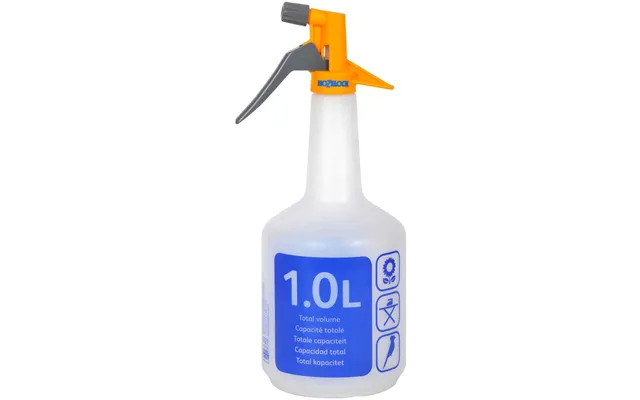
| Hozelock Spraymist Water Sprayer 1l | £ 5,95 |

