

Air Conditioner Filters price list
Last updated Tuesday, 20 Oct 2026
| Air Conditioner Filters | Price |
|---|---|
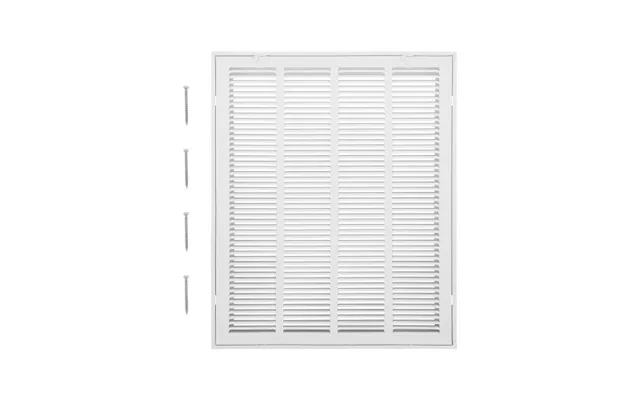
| Vevor Return Air Filter Grille - Fits W20 X H25 Inch Duct Opening | £20.90 |
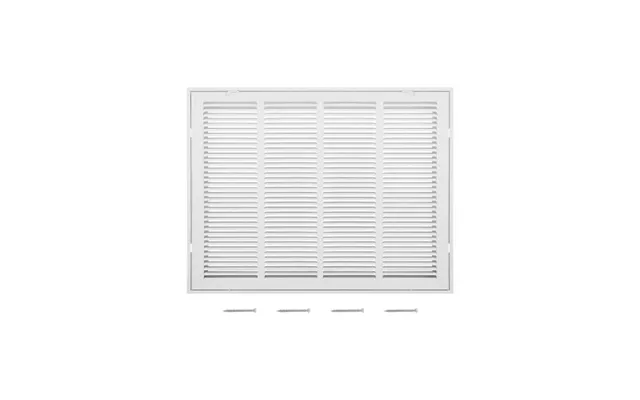
| Vevor Return Air Filter Grille - Fits W24 X H18 Inch Duct Opening | £21.90 |





Loading...
Last updated Tuesday, 20 Oct 2026
| Air Conditioner Filters | Price |
|---|---|
| Vevor Return Air Filter Grille - Fits W20 X H25 Inch Duct Opening | £20.90 |
| Vevor Return Air Filter Grille - Fits W24 X H18 Inch Duct Opening | £21.90 |
Air conditioner filters do more than keep dust out of your vents — they protect your health, your wallet, and the life of your HVAC equipment. A clogged or improper filter can reduce airflow, force your system to work harder, and drive up your energy bills. At the same time, a good filter improves indoor air quality by trapping pollen, pet dander, and even tiny particles that aggravate allergies. Think of filters as the unsung heroes of comfort: inexpensive to replace, but capable of delivering big returns in efficiency and home air quality.
Not all filters are created equal. Different technologies target different problems — some aim for low cost and airflow, others for particle capture or odor removal. Understanding the main types helps you match a filter to your needs, whether you want to cut allergens or just keep your system running smoothly through the summer months.
Fiberglass filters are the cheapest and most basic option, often used as disposable filters in window units and older HVAC systems. They trap large particles and protect fans and coils, but they don’t capture fine dust or allergens. If budget is tight and indoor air sensitivity is low, fiberglass can be a short-term solution — just expect to change them every month during heavy use.
Pleated filters have more surface area thanks to their folded design, so they capture more particles while maintaining decent airflow. They’re a popular middle-ground choice for homeowners who want better filtration without the expense of true HEPA filters. Many pleated options list an efficiency rating and come in standard sizes like 16x20x1 inches or 14x20x1 inches, which makes swapping them straightforward.
HEPA-grade filters capture very fine particles — down to a fraction of a micron — and are the go-to for allergy and asthma sufferers. True HEPA is most common in portable air purifiers, but high-efficiency filters with HEPA-like performance are available for some HVAC systems if the system design supports them. Be cautious: the tighter the filter, the more strain it can place on older systems, so make sure your unit can handle it.
If odors, cooking smells, or VOCs (volatile organic compounds) are your main issue, activated carbon filters add odor-control capabilities to particle filtration. These are often combined with pleated or HEPA layers to address both smells and fine particles. Carbon filters are especially useful in kitchens, pet-heavy homes, and urban settings with frequent outdoor pollutants.
Washable filters save money over time because you rinse and reuse them. They’re commonly found in window and portable AC units but vary widely in effectiveness. While eco-friendly and economical, reusable filters generally don’t reach the fine-particle capture of pleated or HEPA-style disposables, so consider trade-offs if allergies are a concern.
Different air conditioning setups — window units, portable conditioners, split systems, and central HVAC — use different filter styles. Choosing the right format and size ensures proper airflow and filtration without damaging the equipment. Below are practical recommendations for common unit types.
Window and portable ACs usually accept a simple mesh or pleated filter sized in inches to fit the unit’s return grille. These filters are easy to access and clean, making monthly maintenance simple. If you run a portable unit in a bedroom or office, upgrade to a pleated or carbon filter if the model supports it to improve air cleanliness without sacrificing airflow.
Split systems and wall-mounted units often have washable filters behind the front panel. These are typically larger and may include multiple layers for particle and odor reduction. For split systems, you can usually remove and rinse the filter every few weeks; however, if you want extra filtration, check compatibility for pleated insert filters or add a room air purifier to complement the system.
Central HVAC systems use framed filters sized in standard increments like 20x25x1 inches or 16x25x1 inches. Because these filters influence whole-house airflow, picking the right MERV-rated option is important. Choosing a filter with too high a resistance can reduce system efficiency, so select a MERV rating your system can handle — typically between MERV 8 and MERV 13 for modern homes.
Filter performance is often expressed with ratings like MERV (Minimum Efficiency Reporting Value) or industry equivalents. MERV ranges from 1 to 16, with higher numbers capturing smaller particles. For home HVAC, MERV 8–13 is usually a sweet spot: effective against dust, pollen, and mold spores while maintaining good airflow. For clinical-grade filtration, MERV 14+ or true HEPA is needed, but most residential systems won’t support those without a dedicated purifier.
How often you replace or clean a filter depends on the type of filter, level of use, and indoor conditions. As a rule of thumb, disposable fiberglass or basic pleated filters should be checked monthly and replaced every 1–3 months. Homes with pets, smokers, or heavy pollen may need changes every 30 days, while single-occupant homes with light use can stretch to 90 days for high-quality pleated filters.
Measuring filter size in inches is important because wrong sizes harm performance. Remove the old filter and measure the frame from edge to edge in width x height x depth, commonly noted as 16x20x1 inches or 20x25x1 inches. If the printed size on the filter has rounded numbers (for example, 16x20x1), it usually means the nominal size; the actual measurement might be slightly smaller. Always double-check the actual inches to avoid a loose fit and air bypass.
Shopping for filters can feel overwhelming because there are many brands and claims. Start by listing your unit’s exact filter dimensions and target filtration level (e.g., MERV 11 for allergy control or carbon-enhanced for odors). Compare prices and read independent reviews — look for “Popular Offers” or a current “Air Conditioner Filters price list” on reputable comparison sites to spot seasonal deals or bulk discounts. Buying in multi-packs often reduces cost per filter, and subscribing to a delivery cadence can save time and money.
Different households have different priorities — allergies, pets, budget, or humidity control. Below are clear matches to help you decide quickly without getting lost in technical jargon.
If pollen, dust mites, or hay fever are your enemies, aim for high-efficiency pleated filters or HEPA-compatible solutions. A MERV 11–13 filter can trap a large portion of allergens without choking your HVAC system. For persistent issues consider adding a portable HEPA air purifier in bedrooms for targeted relief where you spend most of your time.
Pet hair and dander demand filters with strong particle capture and, ideally, odor control. Pleated filters with a carbon layer work well, removing hair and reducing pet odors. Check the filter’s depth — 2-inch or 4-inch filters hold more dust and last longer between changes than 1-inch options, but confirm your return grille can accept the thicker size.
On a tight budget, fiberglass and basic pleated filters are attractive due to low upfront cost. To keep efficiency up, change them monthly during heavy use and consider buying multipacks. Washable filters are another cost-saving option, but monitor indoor air quality closely because they capture fewer fine particles.
Installing a filter is usually a five-minute job, but doing it right matters. Turn off the system, remove the old filter, note the airflow arrow on the frame, and insert the new one with the arrow pointing toward the unit. For reusable filters, rinse with water and let them dry completely before reinstalling. Keep a spare filter on hand — that way you won’t be tempted to delay replacement when the busy season kicks in.
Better filters can reduce wear-and-tear and boost efficiency, potentially cutting your energy bills over time. However, filters with very high resistance may increase electricity use if your system has to work harder. Consider thicker pleated filters (2–4 inches) that balance efficiency and low resistance; they capture more and need changing less often, which reduces waste. If sustainability is top of mind, look for recyclable packaging or filters with replaceable media instead of full plastic frames.
Changing a filter is easy, but if you notice uneven airflow, rattling, or rising energy bills despite fresh filters, it’s time for professional service. An HVAC technician can check duct leaks, fan performance, and coil cleanliness — issues that filters alone can’t fix. Schedule a tune-up once a year, ideally before the start of the cooling season, to keep performance and warranties in good standing.
Before hitting “buy,” run through this checklist: confirm the exact filter size in inches, select an appropriate MERV rating, decide on pleated vs. washable vs. carbon, check compatibility with your unit, and compare per-filter cost for multipacks. If you need both odor control and particle capture, prioritize a combined pleated/carbon option. Finally, look for coupons or seasonal “Popular Offers” and consult a price list to spot the best deals without sacrificing quality.
By understanding filter types, matching them to your unit, and keeping a consistent maintenance schedule, you’ll enjoy cleaner air, lower bills, and a longer-lived AC system. Small steps like measuring in inches, noting MERV, and buying the right depth can make a surprisingly big difference.
Air conditioner filters are an easy but powerful way to improve indoor air quality, protect your HVAC system, and save on energy costs. Whether you pick a budget-friendly fiberglass filter, a high-efficiency pleated model, or a carbon-enhanced option, matching the filter to your unit and lifestyle is the key. Keep filters clean, measure in inches for correct sizing, and shop smart by comparing current offers and price lists. With the right choices and a little regular maintenance, your home will stay more comfortable and healthier all year round.