

Duster Refills price list
Last updated Monday, 19 Oct 2026




View 15 Offers
Loading...
Last updated Monday, 19 Oct 2026
Picking the right duster refill is like choosing the perfect screwdriver for a screw: the wrong tool makes the job harder, and the right one makes it effortless. Duster refills determine how quickly you can clear dust, how well delicate surfaces are protected, and how often you’ll need to replace or wash the head. Whether you have pets, allergies, or a busy household, the refill you pick can shave minutes off your cleaning routine and dollars off your long-term costs.
There are a surprising number of duster refill types on the market, each with strengths and weaknesses. Understanding the main varieties—microfiber, lambswool, electrostatic, disposable disposable-style refills, and feather styles—helps you match a refill to your cleaning needs. Think of them as different brushes in an artist’s kit: each creates a different finish.
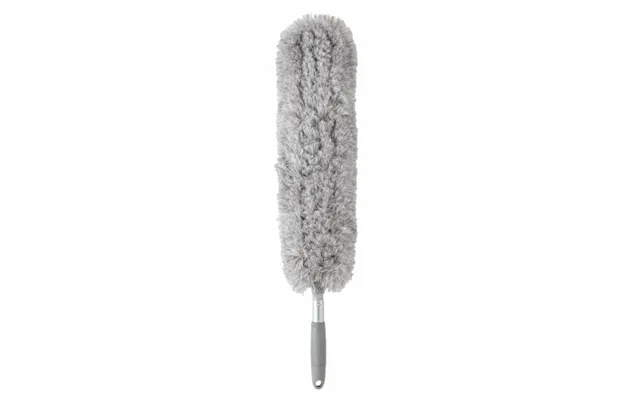
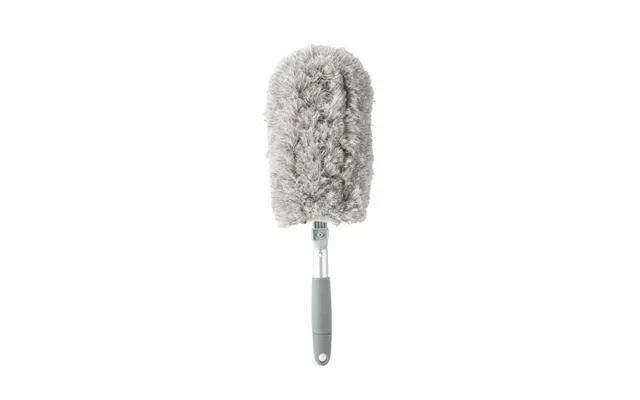
Microfiber refills are the most versatile option. They grab and hold dust using tiny synthetic fibers instead of just pushing it around. They work well on electronics, shelves, and skirting boards, and many are machine washable for repeated use. Sizes commonly run from about 6 inches wide for handheld heads up to 18 inches for wand-style heads, giving you reach and precision without sacrificing pickup power.
Lambswool refills have a natural, soft texture that’s gentle on antiques, picture frames, and delicate finishes. Wool attracts and traps dust like a magnet, and its tapered fibers reach into crevices. These refills are ideal for homes with fragile decor—but they typically cost more and require more careful cleaning than synthetic options.
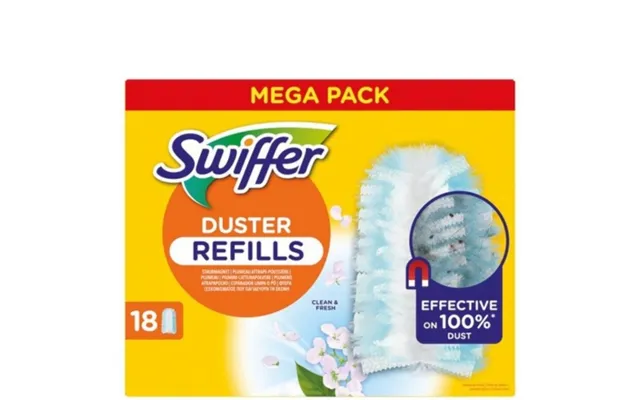
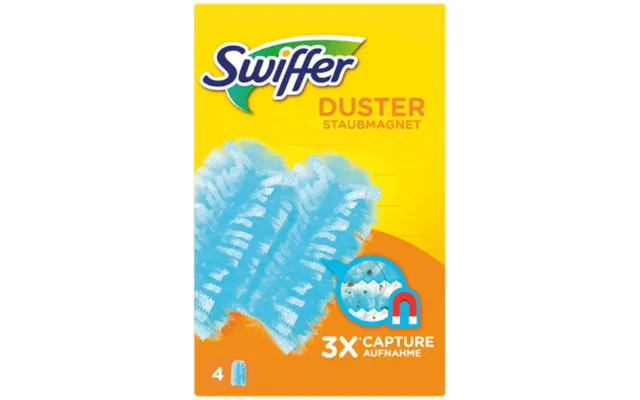
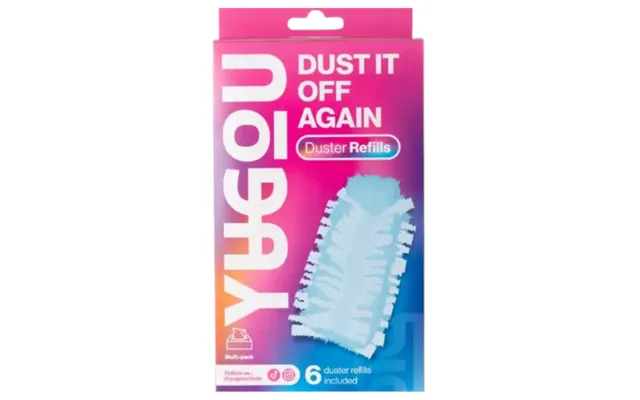
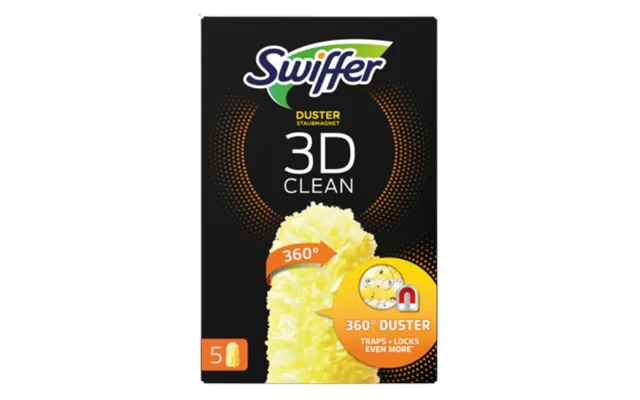
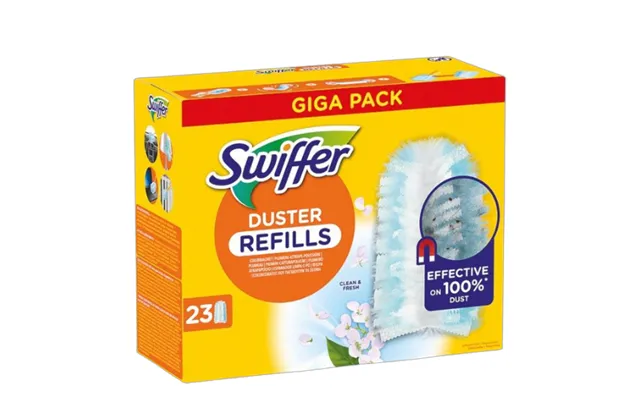
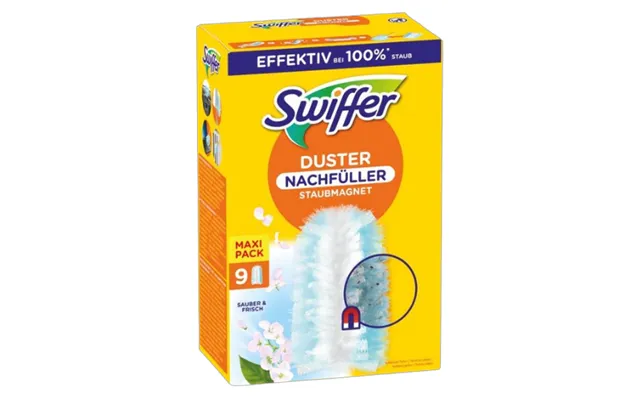
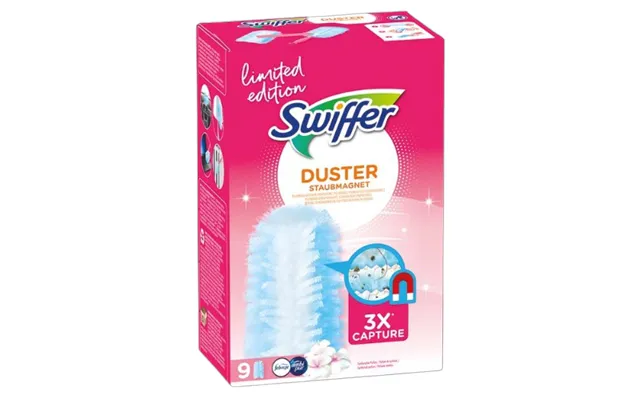
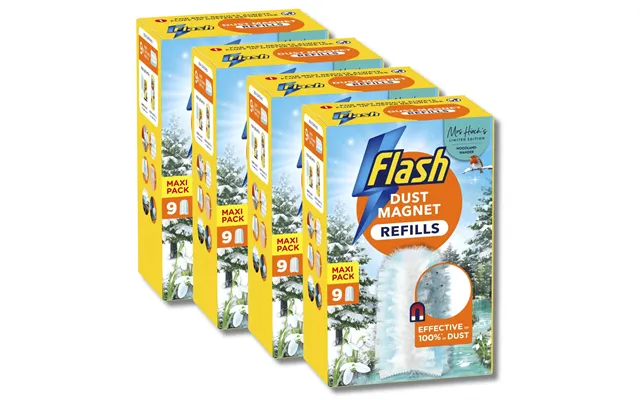
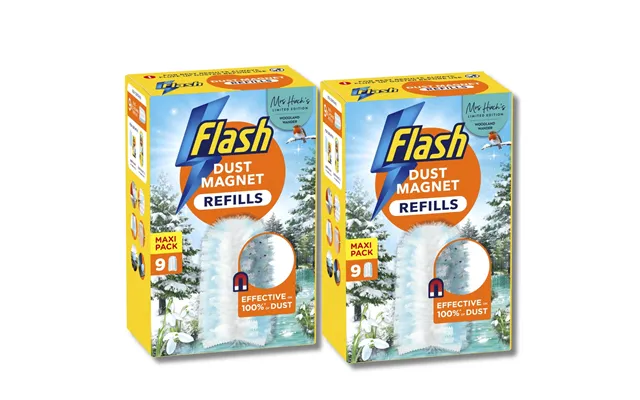
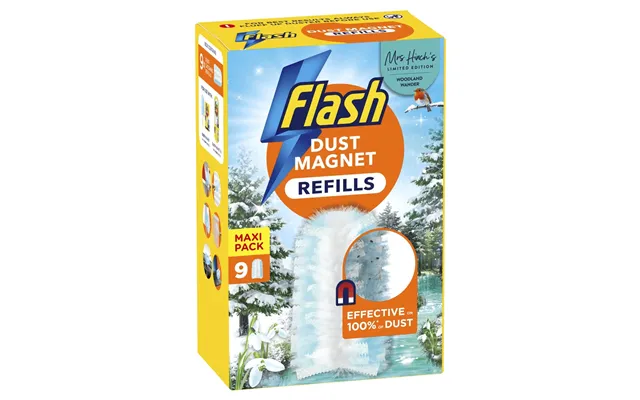
Electrostatic refills use static charge to attract dust, making them helpful for quick touch-ups. Disposable refills—think replacement heads designed for single-use—are convenient for those who want a ready-to-go option without laundering. Popular disposable styles include the well-known stick-and-snap systems designed for specific brand handles, often sold in packs of 10 to 30 heads.
Feather refills, usually made from ostrich feathers or synthetic equivalents, excel at delicate buffing. They glide over surfaces, lifting dust without scratching. Feather refills are great for lampshades, blinds, and delicate ornaments, but they can be less efficient at deep cleaning compared with microfiber or electrostatic types.
Refills come in a range of widths and connection types—some clip on, some screw on, and others slide into a frame. Most household wand heads are available in 6-inch, 12-inch, or 18-inch widths; telescopic handles commonly extend from about 3 feet to 8 feet when fully extended, letting you reach ceilings and high shelves without a ladder. Before buying, check the connection style: common standards include universal clips, screw threads, and brand-specific fittings. If you like the convenience of a particular handle, look for refills advertised as “compatible” rather than brand-exclusive to avoid paying a premium.
Reusable refills, especially microfiber heads, require a little upkeep—rinsing, machine washing, and occasional mild detergent—but they can last dozens of washes. Disposable refills are low-effort and disposable-friendly for busy households, but over time they add up in cost and waste. If you want to reduce landfill waste and save money in the long run, reusable microfiber or wool heads are usually the smarter pick. On the other hand, disposable electrostatic heads are convenient for quick turnover or when cleaning on the go.
When scanning product descriptions, look beyond price. Features that matter include fiber density (more fibers = better pickup), washability, anti-scratch labeling for delicate surfaces, and a secure attachment mechanism so the head won’t fly off mid-swipe. Extras like angled heads, replaceable inner cores, and long-pile fibers enhance reach and dust capture. If you have pet hair, seek out high-pile microfiber or lambswool options designed to grip fur.
A refill’s attachment mechanism should lock firmly onto the handle. Loose-fitting refills lead to wobble and wasted time. Clip or screw attachments are typically more secure than friction-fit types. If possible, snap the refill on and give it a quick tug before use—this saves frustration when you’re mid-clean.
Check the wash-care instructions. Most microfiber refills withstand machine washing, but avoid bleach and fabric softener to maintain absorption. Lambswool may require gentle hand washing and air drying. A small investment in care—washing in cool water and air-drying—extends the life of a refill dramatically.
Refill packs range from single replacements to bulk multi-packs. A 3-pack of microfiber heads might cost a few dollars and serves a small household well, while bulk packs of 12 to 30 disposable heads are popular for larger homes or commercial cleaning. If you use a branded system—like certain stick duster systems—replacement packs often come in 10–30 count boxes. Evaluate how often you clean and whether you want a backstock: buying in bulk typically saves money per refill but costs more up front.
Many people start with brand-name refills and then switch to compatible alternatives that offer the same fit for less money. For example, generic microfiber heads replace proprietary brand heads while offering comparable performance and often washable durability. Other recognized names produce specialty refills—lambswool for antiques, extra-long microfiber for blinds, and electrostatic disposable refills for quick jobs. Compatibility labeling matters: read product listings to confirm that a refill fits your existing handle or choose universal-fit designs.
Different rooms and surfaces call for different refills. In the living room and bedrooms, high-pile microfiber or lambswool works wonders on shelves, picture frames, and electronics. For kitchens, where grease can mix with dust, electrostatic or microfiber that can be laundered easily is ideal. For blinds, vents, and tight spaces, a narrow 6-inch head or a slim microfiber glove-style refill is best. For ceiling fans and tall shelves, combine a long 12–18 inch head with a telescopic handle that extends up to about 8 feet.
If you have pets, choose refills specifically designed for capturing fur. Microfiber with dense, high-pile fibers tends to grip hair better than thin electrostatic sheets. Some refills include rubberized strips to lift embedded fur—handy for sofas and throw rugs. A dedicated upholstery refill that’s about 6–10 inches wide makes short work of pet beds and cushions.
For antique frames, mirrors, or gloss finishes, lambswool or feather refills are the gentlest. They glide without scratching and reach into carved carvings. Always test in an inconspicuous spot first, especially on painted or varnished surfaces.
Want your refills to last? Store them properly, wash them regularly, and keep them dry. Shake out heads outside after use to remove loose dust—think of it as giving your tool a mini-break. For microfiber, machine wash on a gentle cycle with mild detergent and let them air dry. If a refill gets greasy in the kitchen, pre-rinse with warm water to loosen oils before laundering. Avoid fabric softener; it coats fibers and reduces dust pickup.
Deals vary widely by seller and by pack size. Comparison platforms and specialist cleaning supplies retailers often list money-saving bulk packs and seasonal discounts. When comparing, check unit price per refill, shipping costs, and whether the refills are labelled as compatible with your handle. Remember to compare features—not just price—because a cheaper refill that needs replacing frequently will cost more over time.
If sustainability matters, look for reusable microfiber or natural-fiber refills that reduce waste. Some refills are made from recycled materials or come in minimal packaging. On the budget end, generic compatible refills often perform similarly to brand-name heads at a fraction of the cost. Combine a reusable head with a multi-pack for the best balance of eco-friendliness and savings.
Before you click buy, run through this mental checklist: Is the refill compatible with my handle? Is it the right width for my needs—6 inches for tight spaces, 12–18 inches for broad surfaces? Is it reusable or disposable? What are the wash and care instructions? How many refills are in the pack, and what’s the per-refill price? Answering these questions upfront prevents disappointment and repeat purchases.
Keep multiple refill types on hand for different jobs—one for delicate surfaces, one for pet hair, one for high, hard-to-reach areas. Store refills in a clean, dry box so they’re ready when you need them. If you’re tackling a dusty room, work top-down: ceilings, fans, shelves, then furniture, finishing with floors. This prevents re-dusting. And remember: a little maintenance—washing heads and replacing worn fibers—goes a long way toward faster, cleaner dusting sessions.
Investing in the right duster refills can transform a tedious chore into a quick, even enjoyable part of your routine. With the right head and a bit of care, dusting becomes less of a battle and more of a breeze, leaving your home shining and your schedule freer for the things you actually enjoy.
Choosing the best duster refills is about matching the refill type, size, and attachment to your cleaning habits and home. Microfiber offers versatility and reusability, lambswool provides gentle care for delicate items, and disposable electrostatic refills deliver convenience. Compare features, check compatibility, and think long-term—sometimes spending a little more on a durable, washable refill saves money and waste later. With the right refills on your handle, dusting becomes quicker, cleaner, and less of a chore.