

Garment Shields price list
Last updated Monday, 19 Oct 2026


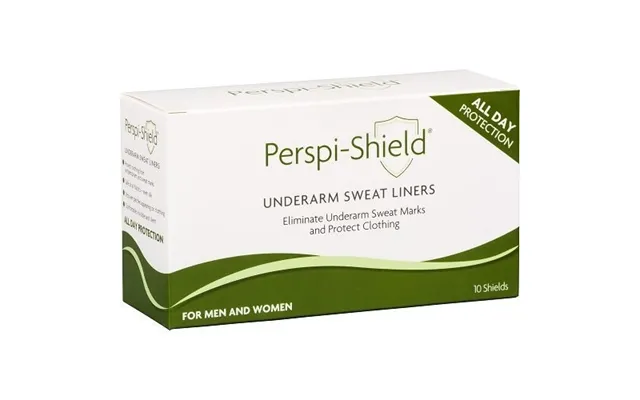
View 4 Offers

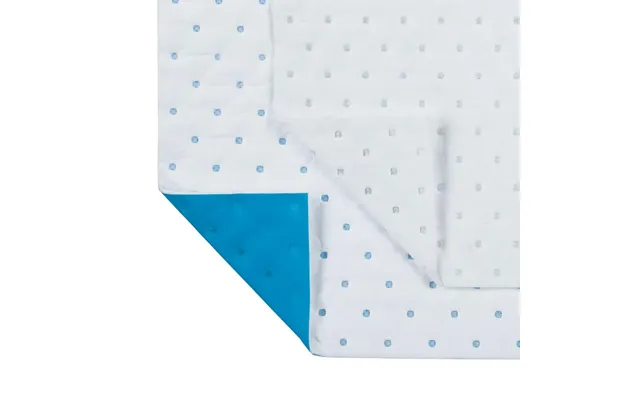

Loading...
Last updated Monday, 19 Oct 2026
Garment shields are thin protective pads or inserts designed to sit between your skin and clothing to catch sweat, deodorant stains, and oils before they ever reach your favorite tops, dresses, or suits. Think of them as tiny bodyguards for your clothes — invisible most of the time, but ready to spring into action whenever perspiration or staining tries to ruin an outfit. They come in different shapes, sizes, and attachment methods, so there’s a version for almost every wardrobe need.
Ever noticed a yellow ring under the arms of a shirt or worry about deodorant marks ruining a silk blouse? Garment shields save time and money by extending the life of clothing and keeping garments looking fresh longer. They’re particularly handy for special events, job interviews, or any day you want to feel confident without worrying about sweat or stains. Plus, for people dealing with heavy sweating or those who want to avoid frequent dry cleaning, these shields can be a game changer.
Disposable shields are convenient, single-use pads that stick to the fabric or the skin and are tossed after use. They’re great for travel, weddings, or one-off uses where laundering isn’t practical. Most disposables are lightweight and come in pre-cut sizes like 4 x 6 inches, and they’re often thin enough to remain unnoticed under clothing.
Reusable shields are made from washable fabrics like cotton, microfiber, or absorbent blends that you can launder and use again. These are eco-friendlier and cost-effective if you plan on regular use. They commonly feature a soft backing and may have snap or Velcro attachments to stay in place.
Adhesive shields have a gentle sticky surface that adheres to the inside of clothing or directly to the skin. They’re secure and discreet but choose adhesives designed to be skin-friendly to avoid irritation. Sizes vary, but most adhesive underarm pads are designed for a snug fit — think the size of a small coaster.
Sew-in shields are stitched into garments, usually in the underarm area, for a permanent solution. These are common in tailored suits or vintage dresses where preserving fabric is a priority. Integrated dress shields are often used in high-end garments to avoid visible bulk and provide durable protection.
Materials determine absorbency, comfort, and how invisible shields are under clothing. Cotton and bamboo blends absorb well and feel breathable, while microfiber wicks moisture away quickly. For very lightweight or delicate fabrics like silk, thin, smooth materials or adhesive shields are preferable to avoid visible lines. If you’re environmentally conscious, look for organic cotton or biodegradable disposables.
Choosing the correct size ensures comfort and invisibility. For most shirts, shields measuring around 4 x 6 inches work fine, but for larger garments or dresses with wider armholes, consider larger pads. Always check how much skin or fabric the pad should cover — you want full protection without peeking out from seams.
Do you want something permanent or temporary? Adhesive and peel-and-stick pads are excellent for short-term needs, while sew-in or snap-on shields are better for frequent use. Reusable shields with Velcro or snaps let you remove and wash them easily, which is useful if you wear the same shirts often.
If you’re sensitive or have reactive skin, prioritize hypoallergenic adhesives. Some pads use medical-grade glue that won’t irritate the underarm area even after repeated use. Always test a small patch on your skin first if you’re unsure.
Thin, contoured shields sit flatter under clothing and remain less visible under thin fabrics. If you wear fitted suits or dresses, choose ultra-thin designs or adhesive options to avoid adding bulk. For looser-fit or casual wear, slightly thicker reusable pads may be fine and more absorbent.
Garment shields suit a variety of lifestyles. If you attend weddings or formal events, disposable shields prevent embarrassing stains without the need to wash delicate garments. Professionals who wear dress shirts daily can reduce dry-cleaning costs. New parents or nursing mothers might use shields to catch leaks in tight-fitting tops, and people with hyperhidrosis (excessive sweating) can wear specialized highly absorbent shields for extra confidence. Vintage clothing collectors also use sew-in or integrated shields to protect delicate pieces that can’t be laundered frequently.
Applying a shield is easy, but getting it right makes all the difference. For adhesive pads, make sure the area is clean and dry, peel the liner, and press the pad into the inside of the garment or onto the skin as directed. For reusable pads, position them against the fabric where sweat would typically appear and secure with snaps, Velcro, or by tucking into a well-fitting garment. When removing disposable pads, peel gently to avoid damaging fabric. With reusable ones, remove and wash promptly to prevent odor build-up.
Wash reusable shields regularly on a gentle cycle with mild detergent and cold water, then air dry or tumble dry on low if the manufacturer allows. Avoid fabric softeners, which can reduce absorbency. If pads have adhesive parts, follow care instructions carefully — adhesives usually don’t survive washing, so pads with snap-on covers or washable shells are preferable for frequent laundering.
A sweat-wicking undershirt works like a second line of defense. These undershirts use technical fabrics to draw moisture away from the skin, keeping both you and your outer garments drier. They’re ideal for high-activity days, long commutes, or hot climates.
Bra liners and nursing pads are similar concepts for the chest area. They protect bras and tops from leaks and perspiration and are especially helpful during postpartum periods or if you’re prone to breast sweating. Many are washable and available in thin, discrete shapes.
Pre-treatment sprays and fabric protectors can help repel oils and deodorants from the garment surface, making removal of marks easier. Apply according to instructions before wearing a new or favorite item to add an extra barrier of protection.
For long-term clothing preservation, garment bags and breathable covers protect from dust and environmental damage. While they don’t stop sweat, they keep preserved outfits safe after you’ve used shields to maintain their condition.
Garment shields range from budget-friendly disposable packs priced low per unit to premium reusable sets that might cost more upfront but last for months or years. Expect to pay a few dollars per disposable pad when bought in small packs, whereas reusable pads often range from single-digit to double-digit prices per pad depending on material and brand. Look for multipacks and read reviews for durability and comfort. Comparison sites and product guides can help you weigh features and prices before you buy.
If sustainability matters, choose reusable pads made from organic cotton, bamboo, or biodegradable materials. Some companies offer compostable disposable pads, but check local composting rules as not all facilities accept these products. Remember: washing reusables uses water and energy, but overall they typically produce less waste over time than single-use options.
A few mistakes can reduce the effectiveness of garment shields. Using a pad that’s too small leaves gaps where sweat can escape; using adhesive pads on oily or dusty fabric reduces stickiness; and skipping regular washing of reusable shields leads to odors and reduced absorbency. To avoid these pitfalls, measure roughly where you need coverage, clean fabrics before applying, and follow wash instructions closely.
Many users recommend carrying a small emergency pack of disposable shields in a purse or briefcase — they’re lifesavers during long days or travel. Others layer a thin disposable pad under a reusable shell for extra protection on high-sweat days. For formal wear, secure shields before dressing to minimize shifting, and always check in good lighting to ensure no edges are visible.
Disposable pads are single-use by design. Reusable shields should be replaced when they no longer absorb well, if they develop persistent odors after washing, or if the fabric frays or adhesives fail. As a rule of thumb, expect heavy-use reusable pads to last several months to a year depending on material and care.
Disposable shields win on convenience and portability — perfect for travel or occasional events. Reusable shields are more sustainable and economical for daily use but require more care. Your lifestyle dictates the best choice: if you wear dress shirts daily, invest in a set of high-quality reusables; if you’re prepping for a special event, disposables may be ideal.
Garment shields are a low-effort, high-impact way to protect clothing, save on cleaning costs, and boost your confidence. Whether you prefer disposable convenience or the sustainability of reusable pads, there’s a solution for almost every wardrobe and lifestyle. Think of them as tiny insurance policies for your most-loved garments: inexpensive, discreet, and incredibly practical. Next time you’re getting ready for an important day, consider tucking a shield into your routine — small protection often prevents big regrets.