
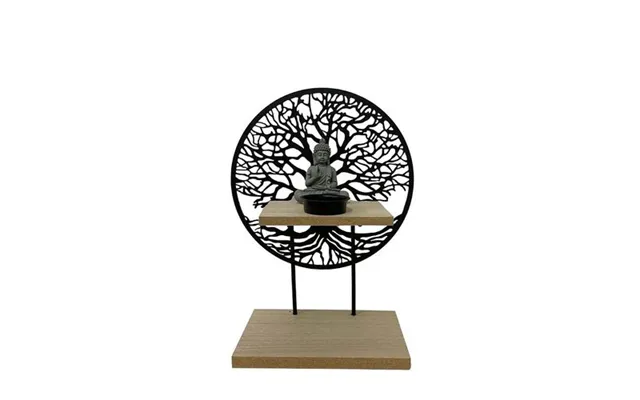
Religious Altars price list
Last updated Sunday, 27 Sept 2026
| Religious Altars | Price |
|---|---|
| Tree Of Life With Buddha And Tea Light | £12.85 |





Loading...
Last updated Sunday, 27 Sept 2026
| Religious Altars | Price |
|---|---|
| Tree Of Life With Buddha And Tea Light | £12.85 |
An altar is more than a piece of furniture — it's the heart of a ritual, a focal point for devotion, and a stage for sacred objects. Whether you're creating a modest home shrine or outfitting a community space, the right altar invites calm, focus, and a sense of continuity with tradition. Think of it like a tailor-made doorway: the materials, proportions, and accessories you choose shape the spiritual experience, not just the look of the room.
Home altars are ideal for daily practice. They often fit comfortably on a small table, chest, or shelving unit and serve as a dedicated spot for prayer, meditation, or reflection. Typical home altars measure anywhere from 12 to 48 inches wide and 10 to 36 inches tall, making them flexible enough for apartments and houses alike. Many people repurpose a console table or a dresser top — just leave space for the essentials you’ll use each day.
If you travel for work or like to practice outdoors, a portable altar is a smart choice. These foldable or compact kits usually weigh between 2 and 15 pounds and collapse to sizes around 10 by 8 by 3 inches or 12 by 10 by 4 inches, so they slip neatly into a bag. Portable altars often include a small altar cloth, candle holder, and a compact incense burner or censer to preserve ritual continuity on the move.
Altars for community worship are often built to last and designed for larger spaces. They can range from 4 to 10 feet wide and 2 to 4 feet tall, depending on the architecture and liturgical needs. These altars are usually more ornate and might be fixed into place, so planning involves structural measurements and consultation with clergy or community leaders. Durability and ease of cleaning are practical concerns when many people will use the altar regularly.
Butsudan, the traditional Japanese Buddhist home altar, is a boxed shrine that commonly measures around 18 to 36 inches tall and 12 to 36 inches wide. These altars often have interior shelving and sliding doors to protect sacred images and are crafted from hardwoods or lacquered finishes. If you’re drawn to this style, consider whether you want a compact, modern butsudan or a more traditional, hand-carved piece.
Wood is the most popular material for altars because it feels warm and welcoming and can be crafted in many styles. Oak, mahogany, pine, and walnut are common choices. A solid wooden altar typically weighs from 20 to 150 pounds depending on the size, and can be stained or painted to suit the room. Wood responds well to customization — carving, inlay, or painted motifs can personalize the piece.
Metal altars, made from brass, steel, or aluminum, offer a modern or industrial feel and are highly durable. Brass accessories — candle holders, censers, statues — add a luminous quality and patina gracefully over time. Metal altars are easier to clean and often more stable for outdoor or high-traffic settings, but they can feel cooler and more formal than wooden alternatives.
Stone and marble altars command presence and signify permanence. A small stone altar might weigh 50 to 200 pounds, while larger community altars can be several hundred or even thousands of pounds, requiring professional installation. Composite materials mimic stone at a lower price and weight, offering a good compromise if you want the look of marble without the logistical challenges.
Altar cloths define the surface and protect the altar from wax or incense residue. They come in many fabrics — cotton, linen, silk — and often follow liturgical color schemes. For a small home altar, a cloth 20 to 36 inches wide will usually do; for larger church altars you might choose cloths 60 inches or wider. Think of cloths as the outfit that dresses your altar for each occasion.
Candles are a universal accompaniment: taper candles, votives, and pillars each bring a different mood. A standard taper is about 7 to 12 inches tall and fits most traditional candle holders; pillar candles range from 2 to 6 inches in diameter and 3 to 9 inches tall. Always pair candles with sturdy holders and safe placement, keeping flammable fabrics at least 12 inches away from open flames.
Incense burners come in bowl, box, or censer styles and help contain ash while allowing the aroma to disperse. A tabletop burner might measure 6 to 10 inches across and weigh under 5 pounds; hanging censers require attention to clearance and stability. Always use heat-proof trays and consider a small fire extinguisher nearby if you burn incense regularly.
Whether you choose a simple framed image or a carved statue, sacred imagery anchors the altar. Small statues for a home altar are typically 4 to 12 inches tall; larger pieces for community altars can be 2 to 6 feet. Think about scale: a tiny statue can get lost on a large altar, while an oversized icon can overwhelm a compact shrine.
Offering bowls and chalices vary widely in style and purpose. Small brass bowls for offerings usually measure 3 to 6 inches across and weigh fractions of a pound, while ceremonial chalices may be 4 to 8 inches tall. Choose materials and finishes that are easy to clean if food or liquid offerings will be placed on the altar.
When planning an altar, measure your space first. A good rule of thumb is to allow at least 6 inches of clear space in front of the altar for kneeling or standing rituals, and 12 inches of clearance above candles. For a compact home altar, aim for a width of 18 to 36 inches and a height where the central focal point sits between 48 and 60 inches from the floor — roughly eye level for most adults. Think vertically as well; shelves and tiers can maximize a narrow wall space without crowding the room.
Safety is essential. Keep flammable items like curtains and loose fabrics at least a foot away from open flame, and never leave burning candles unattended. Regular maintenance will keep the altar inviting: dust wooden surfaces weekly, polish brass with a soft cloth, and replace cotton or linen cloths seasonally or when they become soiled. If you use real flowers or food offerings, remove them before they spoil to avoid pests and odors. For outdoor altars, use weather-resistant materials and consider a canopy or cover to protect sacred items.
Prices for altars vary widely based on materials, size, and craftsmanship. Here’s a practical price guide to help you budget:
- Entry-level portable altars and simple home shrine kits: about £15 to £75. These are lightweight, often made of composite wood or simple cloth and include basic accessories.
- Mid-range wooden home altars and butsudan-style cabinets: approximately £75 to £600. Expect solid wood, nicer finishes, and built-in shelving or doors.
- Handcrafted, antique, or designer altars: roughly £600 to £3,000 or more. These pieces are often custom-carved or restored and carry a premium for craftsmanship.
- Large community or church altars: £2,000 to £20,000+, depending on stone, marble, or bespoke designs and installation needs.
Remember that accessories — brass candle holders, incense burners, statues, and linens — can add £20 to several hundred pounds to your total. Plan for installation costs for heavy pieces, especially if you’re anchoring a stone or marble altar.
Commissioning an altar lets you match architecture, liturgical needs, and personal taste. Many artisans work in wood, metal, or stone and can incorporate symbols, inlays, or family emblems. When commissioning, be specific about dimensions in inches, preferred materials, budget, and the timeframe. Expect design consultations and multiple sketches; a custom wooden altar can take several weeks to a few months, while larger stone pieces may require longer due to fabrication and installation.
Because altars range from simple to highly specialized, it pays to compare options across retailers, craftspeople, and comparison platforms. Start by listing must-haves: size in inches, material, whether it needs to be portable, and the primary ritual objects you’ll display. Read product descriptions carefully for dimensions, weight in pounds, and included accessories. Use comparison tools to check prices, shipping options, and seller ratings so you can balance cost against craftsmanship and reputation.
Before installing a permanent altar in a rented property or shared space, check building regulations and landlord agreements. Some apartment rules restrict open flames or structural modifications. Be mindful of cultural protocols: certain symbols and practices require respect and may have specific handling rules. When in doubt, speak with community leaders or clergy to ensure your altar honors tradition and follows any applicable guidelines.
Here’s a short, practical checklist to guide your purchase: measure your intended space in inches, decide if portability is important, choose a primary material (wood, metal, or stone), set a budget range, plan for accessories and safety items, and allow extra time for delivery and installation. If you’re unsure about style or scale, start with a modest altar and high-quality accessories — you can always upgrade later as your needs evolve.
Styling is where function meets personal expression. Layer textures with cloths and small runners, use grouped candle heights for visual rhythm (for example, two 7-inch tapers flanking a 4-inch pillar), and anchor the center with a focal image or statue placed at about eye level. Add a small tray for ritual tools and a discreet box for matches or a lighter. Lighting matters: soft, warm bulbs or natural light can enhance the sacred atmosphere when candles aren’t lit.
If sustainability matters to you, look for reclaimed wood altars or pieces made from responsibly sourced timber certified by credible organizations. Brass and metal accessories are long-lasting and recyclable, and natural fiber altar cloths (cotton or linen) avoid synthetic dyes. Even small choices — beeswax candles instead of paraffin, for example — reduce environmental impact and often improve the sensory quality of your rituals.
Choosing the right religious altar is a blend of practical measurement, aesthetic choice, and spiritual intention. Whether you opt for a compact portable kit, a handcrafted wooden butsudan, or a grand community altar, focus on scale in inches, safe setups, and accessories that support your daily practice. With thoughtful selection and care, an altar becomes a living center for ritual and reflection — a comforting, enduring presence in your home or community.