


Security Uniforms price list
Last updated Monday, 19 Oct 2026


Loading...
Last updated Monday, 19 Oct 2026
Think of a security uniform like a second skin for people who spend long hours on their feet and in unpredictable conditions. The right uniform does more than look sharp — it improves comfort, communicates authority, and can even increase safety. Whether you’re guarding a shopping center, patrolling a corporate campus, or managing an event, the clothes you wear affect how you perform and how others perceive you.
Static guards working at a fixed post often need uniforms that balance professionalism with all-day comfort. Polo shirts or button-down shirts paired with straight-leg duty trousers are common. Breathable fabrics and simple, clean lines help maintain a polished look during long shifts.
Event and retail security often call for a less intimidating, more customer-friendly appearance. Polos, branded hoodies, or softshell jackets work well here — allowing staff to be approachable while still identifiable. This style leans toward flexibility and quick adaptability for busy, crowded environments.
For mobile patrols, overnight shifts, or roles that involve crowd control, tactical-style uniforms provide durability and functionality. Think reinforced knees, multiple pockets, tactical belts, and ripstop fabrics. These are built to withstand abrasion and carry the equipment you need on your person.
When shopping for security uniforms, keep an eye out for practical features: reinforced stitching at high-stress points, gusseted crotches for Freedom Of Movement, articulated knees for ease when kneeling, and reinforced belt loops. Reflective trim or high-visibility panels are essential for night or low-light work. Finally, consider pockets that close securely and are positioned to avoid snagging.
Material choice is a balance of comfort, durability, and cost. Cotton blends offer breathability and a softer feel, while poly-cotton mixes add wrinkle resistance and improved durability. For heavy-duty roles, ripstop nylon or polyester provides tear resistance. Look for fabric weights listed in ounces per square yard — a 6 to 8 oz work shirt feels substantial without being stiff, while pants in the 8 to 12 oz range typically offer better durability for active roles.
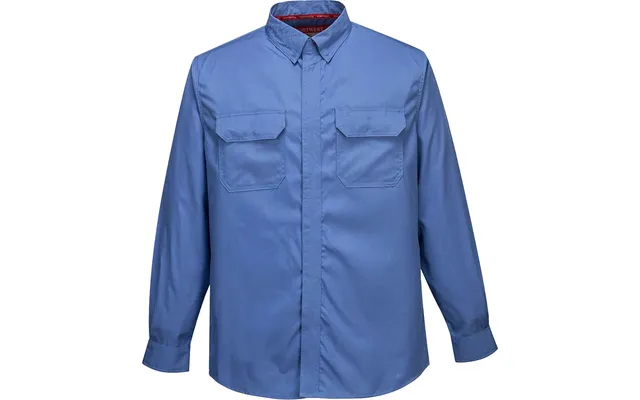
Shirts are the face of the uniform. Breathable polo shirts in moisture-wicking fabric keep you dry through long shifts, while button-down shirts in a poly-cotton blend present a more formal appearance. Make sure collars lie flat under jackets and that the shirt length tucks in comfortably if required.
Duty pants or cargo trousers designed for security work usually have reinforced knees, multiple pockets, and room for knee pads. Choose styles with a slightly relaxed fit so you can move freely — pay attention to waist and inseam measurements in inches to get a proper fit. An inseam of 30 to 34 inches is common for most men, but always measure to match your height and posture.
Outer layers protect you from wind and rain while maintaining a professional silhouette. Softshell jackets offer wind resistance and breathability, fleeces add warmth for cold nights, and waterproof rain jackets keep you dry without adding bulk. Look for taped seams and waterproof ratings; in the UK climate, a reliable rain jacket can be the single most valuable uniform piece.
Never underestimate the difference the right boots make. Security personnel often stand or walk for hours; a boot with good arch support, slip-resistant soles, and ankle support reduces fatigue and the risk of injury. Look for sizes in standard measurements and try boots with the socks you’ll wear on duty. A well-fitted boot should leave about a thumb’s width of space (roughly 1/2 inch) at the toe.
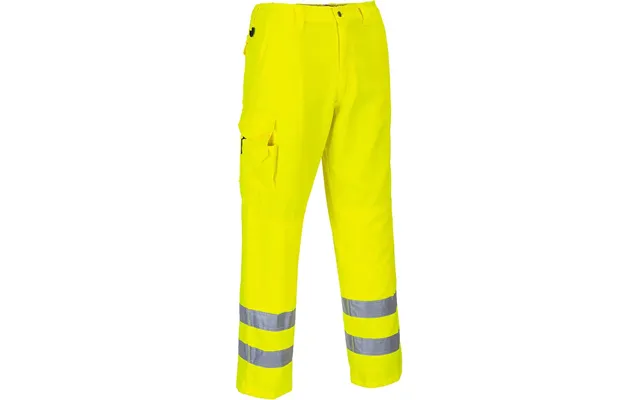
High-visibility vests and jackets are non-negotiable for work near roads, parking lots, or at night. Choose hi-vis garments with reflective tape placed across the torso and shoulders for 360-degree visibility. ANSI/EN standards can guide performance expectations, but in practical terms, choose sizes that fit over jackets and accommodate layering comfortably.
Belts and load-bearing accessories determine how comfortably you can carry radios, torches, cuffs, and other gear. Duty belts come in different widths — a 1.5 to 2-inch heavy-duty belt is common — and modular pouches allow personalization. Remember that quality hardware (metal buckles, reinforced stitching) lengthens product life.
Good fit is about freedom of movement and comfort for long shifts. Always measure chest, waist, hip, and inseam in inches before ordering online. If you’re between sizes, lean toward a slightly larger size for layering, but avoid bagginess that creates a sloppy look or hazards in active situations. For shoes and boots, measure both feet in the afternoon (feet swell) and try with duty socks. If trying on in a shop, walk around, kneel, and squat to test mobility.
Uniforms are an investment — treat them like it. Wash high-visibility jackets and reflective garments inside out on a gentle cycle to preserve tape. Avoid high-heat drying when possible; it can shrink fabric and degrade coatings. Repair small tears and loose buttons immediately to prevent bigger damage. A quick routine of cleaning, inspection, and minor repair every few weeks can extend useful life by months or even years.
Price often correlates with durability, but not always with suitability. Budget lines are fine for low-impact roles or occasional use. If you’re on the front line — patrolling, crowd managing, or working in rough conditions — invest in high-quality fabrics, reinforced construction, and reputable brands. Think of it as buying boots: inexpensive ones might get you to the job, but a quality pair will protect your feet and save money over time.
Comparison sites and specialist uniform marketplaces are great starting points to see current deals and specs side-by-side. They let you compare price, material composition, warranty, and customer reviews quickly. When evaluating offers, pay attention to shipping options, available sizes, customization for company logos or badges, and whether the supplier offers bulk discounts for teams.
Several brands consistently receive positive feedback from security professionals. Tactical-focused labels like 5.11 Tactical and Helikon-Tex are known for durable duty pants and modular accessories. Workwear brands such as Helly Hansen and Snickers provide excellent outerwear and hi-vis options. For footwear, look to brands with a reputation for supportive, slip-resistant boots. These recommendations are a starting point — always check model specifications and real-user reviews to match a product to your role.
Branding and insignia make staff instantly recognizable. Many suppliers offer embroidery and badge attachment options. If you need rank patches or company logos, choose garments with reinforced chest space or Velcro panels to allow for quick changes. Consider removable ID panels for events to ease laundering and reduce wear on stitched logos.
Some employers and venues have strict rules about uniform appearance — colors, logos, and even pocket placements. Make sure your uniform complies with any legal requirements, such as high-visibility standards near traffic. When in doubt, ask a manager or refer to industry standards to avoid rework or safety gaps.
Before you hit “buy,” run through a simple checklist: measure twice (in inches), verify fabric specs and care instructions, check for reinforced stress points, confirm hi-vis and reflective coverage if needed, and ensure footwear is tested with duty socks. If you’re buying for a team, order one or two samples in different sizes to confirm fit before placing a bulk order.
Veteran guards often recommend a “layering system” for British weather: a moisture-wicking base layer, a mid-layer fleece, and a waterproof outer shell. They also suggest carrying a small sewing kit for rapid repairs and investing in at least two sets of uniforms so one set can be rotated during washing. Comfort equals performance — so invest where it counts.
Choosing the right security uniform is about balancing practicality, durability, and professional appearance. With thoughtful selection and care, your uniform will support your work, increase safety, and project the right image — rain or shine.
Conclusion: The ideal security uniform blends comfort, protection, and professional style. Start with accurate measurements in inches, prioritize durable materials and functional design, and compare offers across specialist comparison sites to find the best value for your specific role. With the right choices, your uniform becomes an asset — not a liability.