All categories
Business & Offices
Electronics & Media
Fashion & Accessories
Groceries & Essentials
Health & Personal Care
Home & Living
Kids & Family
Sports & Outdoors
Search in ZoneOffer

Loading...
If you’ve ever scribbled a note while standing in a queue or filled out a form at a site visit, you know the quiet power of a good pencil board. Affordable, lightweight, and oddly satisfying, pencil boards (aka clipboards) are the unsung heroes of classrooms, warehouses, and mobile offices. In this guide I’ll walk you through why pencil boards still matter, how to pick the right one, which materials and features to favor, and where to compare options so you get the best value without guesswork.
It’s easy to assume that tablets and smartphones have made clipboards obsolete, but pencil boards remain indispensable for a bunch of reasons. They’re reliable when batteries die, rugged in bad weather, and fast to use when you need to fill out forms or sign receipts. Think of a pencil board as the low-tech Swiss Army knife of paper handling: simple, durable, and always ready.
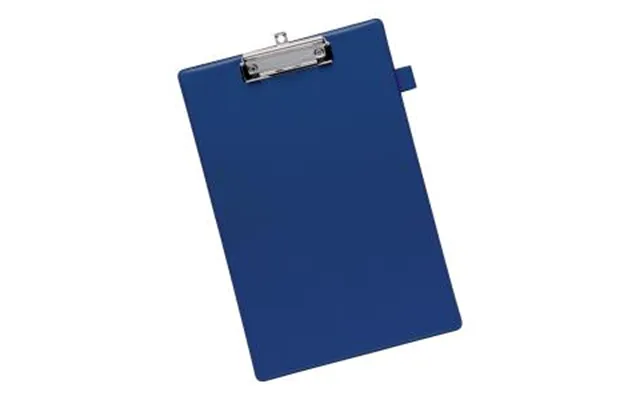
A pencil board is basically a flat writing surface with a clip or fastener at the top to hold papers steady. Sizes vary from pocket-friendly mini boards to large formats that fit legal-size or multiple sheets. They can be built from plastic, hardboard, metal, or cushioned materials and often include extras like storage compartments, calculators, or folding covers.
Students, teachers, surveyors, nurses, delivery drivers, construction inspectors, and event staff all find pencil boards useful. If your job or hobby requires writing on the move—standing, kneeling, or leaning—there’s almost certainly a pencil board that makes the task easier and faster.
Pencil boards come in a surprising variety of designs. Below are the most common types you’ll encounter and what they’re best at.
Classic and economical, hardboard clipboards are usually made from compressed wood fibers with a metal spring clip. They’re light, inexpensive, and ideal for classrooms and offices. Expect sizes like 8.5 x 11 inches (letter) and 9 x 12 inches for larger forms.
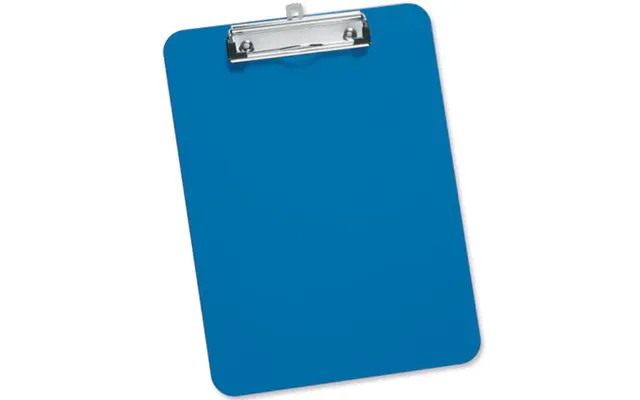
Plastic clipboards are water-resistant and easy to clean—great for outdoors or medical environments. They come in vivid colors, often lighter than hardboard, and can be more flexible. Many come in the common 8.5 x 11 inch size or in a larger 9 x 12 inch variation for extra workspace.
If you carry multiple forms or small tools, a clipboard box adds secure storage under the writing surface. These are thicker—often around 1 to 2 inches deep—and let you stash pens, checklists, and small gadgets. They’re perfect for jobsite supervisors or delivery crews who need to keep paperwork protected in the field.
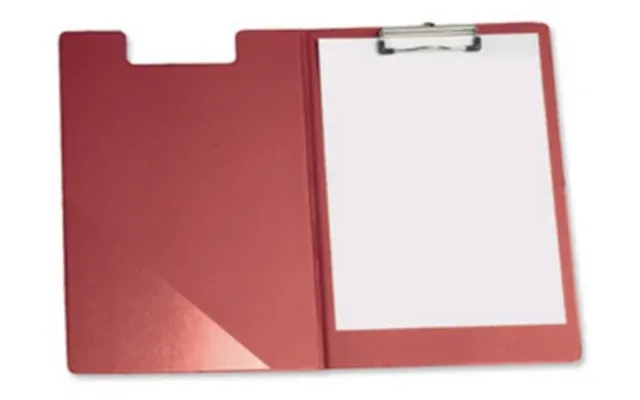
Portfolio clipboards fold up to protect documents, sometimes zipping closed like a small briefcase. They often include pockets, business card slots, and pen holders—great for sales reps or anyone needing a neat presentation on the go. Typical folded sizes match letter paper, around 8.5 x 11 inches when closed.
For long periods of writing, look for cushioned backings or ergonomic grips. These reduce hand and wrist strain and provide a firmer surface for neat handwriting. Cushion thickness is usually measured in fractions of an inch—enough to create a comfortable buffer without adding bulk.
Size matters with pencil boards. Too small and your paper hangs off the edge; too large and the board becomes bulky. Here’s how to think about dimensions in practical terms.
Letter-size clipboards (8.5 x 11 inches) are the most common and are ideal for standard forms, checklists, and schoolwork. Legal-size clipboards (8.5 x 14 inches) give you room for longer documents like contracts or inspection sheets. Oversized boards—9 x 12 inches or larger—are handy when you need extra writing area or want to handle multiple pages at once.
If portability is your priority, mini clipboards that hold index cards or half-letter sheets are lifesavers. They slip into backpacks or coat pockets and are great for taking quick notes while standing or walking.
Not all pencil boards are created equal. Focus on features that match your workflow: clip strength, surface finish, storage, and weather resistance are usually the heaviest hitters.
A strong spring clip keeps papers secure even when you’re moving. Look for clips that can hold several sheets—around 10 to 20 pages comfortably—without slipping. Some clips include a low-profile design that won’t catch on bags or clothing.
A smooth writing surface produces cleaner handwriting and less pen drag. Plastic and laminated surfaces are slick and easy to write on; hardboard has a bit more “tooth” which some people prefer. If you use fountain pens or gel pens, test the surface to avoid smudging.
Pocket clipboards, storage clipboards, and portfolio variants are lifesavers when you need to keep forms, receipts, and cash organized. Extras like calculators, business card slots, and built-in rulers can turn a simple pencil board into a mobile workstation.
The material of your pencil board affects weight, durability, and price. Here’s a quick run-down so you can trade off cost for performance wisely.
Pros: inexpensive, firm writing surface, recyclable. Cons: absorbs water, can warp if wet. A classic pick for schools and offices where heavy wet conditions aren’t common.
Pros: water-resistant, lightweight, available in colors. Cons: can scratch or flex under heavy pressure. Excellent for outdoor work, medical settings, and any place spills are likely.
Pros: extremely durable, resists bending, often includes a dry-erase surface. Cons: heavier and more expensive. Metal clipboards are built to survive rough handling and last for years.
Pros: cushioned comfort, good for prolonged writing. Cons: bulkier and may show wear over time. These are popular for fieldwork where a bit of padding improves legibility and comfort.
Pencil boards aren’t one-size-fits-all. Matching the type of board to your use case is the secret to getting real value.
Teachers and students benefit from simple, low-cost clipboards in letter size. They help with handwriting practice, tests, and outdoor projects. Colorful plastic boards also make it easy to assign boards by class or group.
Inspectors, surveyors, and technicians often choose metal or storage clipboards for durability and document protection. A clipboard box that’s roughly 1 to 2 inches deep will hold forms securely and protect them from wind and rain.
Plastic clipboards that are easy to disinfect are ideal for hospitals and labs. Look for smooth, non-porous surfaces you can wipe down quickly between uses—especially important in infection-control settings.
Are expensive clipboards worth it? Sometimes yes, sometimes no. Here’s how to think about cost vs. longevity.
If you need dozens of boards for a classroom, event, or short-term project, a basic hardboard or plastic clipboard is cost-effective. Expect them to last through regular daily use but not to survive heavy abuse.
If you rely on your clipboard every day—carrying forms in bad weather, storing multiple documents, or needing a firm surface in a rugged environment—spend more on a metal or storage clipboard. The upfront cost often pays back through years of trouble-free use.
Good care extends the life of your clipboard. It’s simple: keep it clean, protect it from prolonged moisture exposure, and replace clips if they lose tension.
Wipe plastic and metal surfaces with a mild disinfectant. Avoid soaking hardboard in water; instead, brush off dirt and use a slightly damp cloth. For folding portfolios, check zippers and hinges regularly to prevent snags.
Metal clips can sometimes be replaced if they lose tension. If your board is otherwise in good shape, swapping the clip is cheaper than buying a whole new clipboard. Keep spare clips on hand if your work is clip-intensive.
Comparison shopping is your friend. Use comparison websites, read user reviews, and sort by features like size, material, and clip type. Look for bundles if you need multiple boards—bulk buys can slash the per-item cost dramatically.
Compare specs in inches (size and depth), check the clip’s sheet capacity, and read reviews focusing on durability rather than just price. If you’re buying for a specific environment—outdoors, medical, or heavy-duty—filter results by material and weather resistance.
If sustainability matters to you, search for boards made from recycled materials or those that are fully recyclable. Hardboard often has high recycled content, and some plastics are now produced from post-consumer materials. Choosing longer-lasting materials also reduces waste by avoiding frequent replacements.
Whether you need a simple 8.5 x 11 inch clipboard for everyday notes or a heavy-duty storage board for field inspections, the right pencil board can make a small task feel smooth and efficient. It’s one of those tools that silently improves your day—like the right pair of shoes or a dependable pocketknife.
Ready to pick one? Think about where you’ll use it, how much paper you’ll carry, and whether extra storage or weatherproofing matters. With a clear checklist, you’ll find a pencil board that fits like a glove and keeps your paperwork neat and accessible.
Conclusion: A pencil board is a simple investment with outsized returns. Whether you’re a teacher, a field worker, or just someone who likes neat notes, the right clipboard will make writing away from a desk easier, faster, and more comfortable. Choose based on size, material, and features, and don’t be afraid to compare options before buying.
| Pencil Boards | Price | |
|---|---|---|
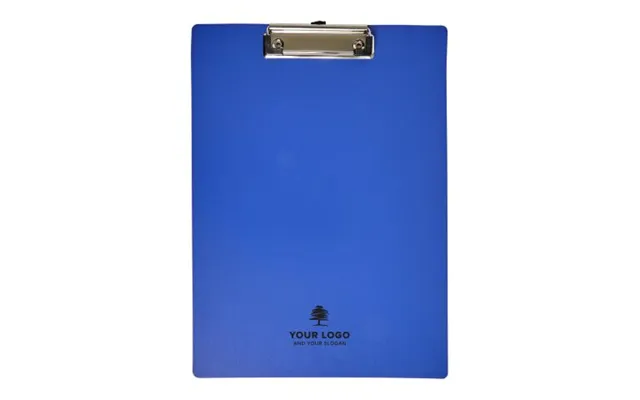
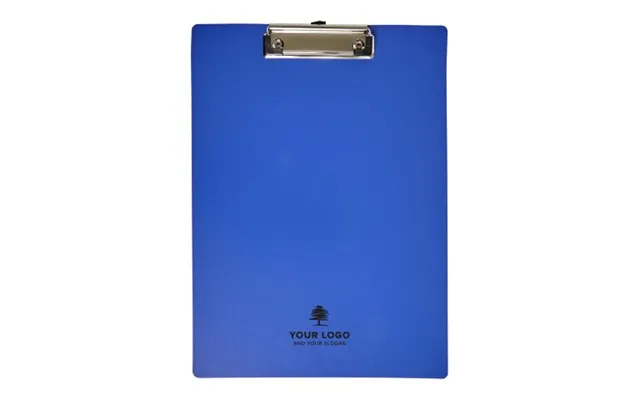
| Promotional Pp Clipboard Nushi Cobalt Blue Branded With Your Logo | £ 1,30 | |
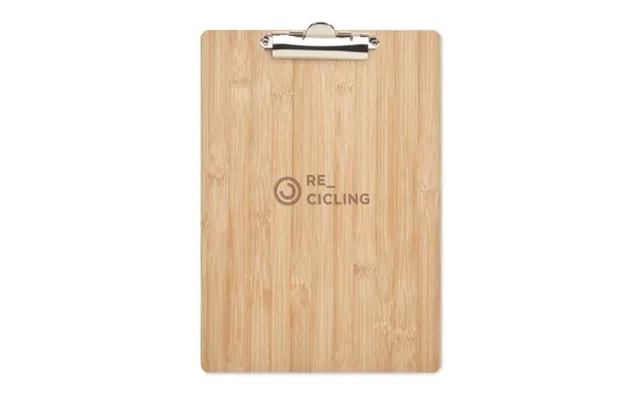
| Promotional A4 Bamboo Clipboard Wood Branded With Your Logo | £ 2,62 | |
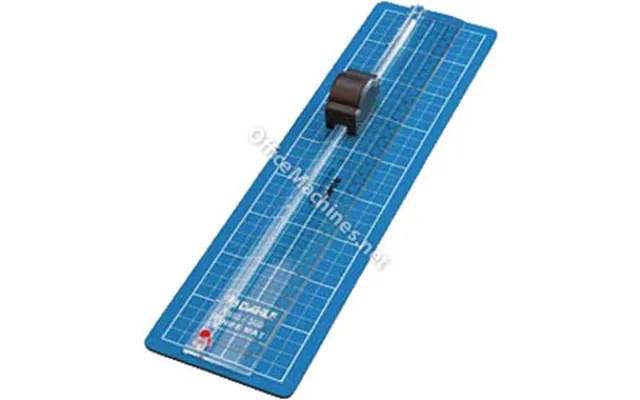
| Dahle 350 A4 Cutting Mat And Ruler | £ 13,60 | |
| Durable 2389-19 Transparent A4 | £ 17,49 | |
| Highlytran Drawpap-29 7x42cm 100s-95 | £ 32,74 |