All categories
Business & Offices

Electronics & Media
Fashion & Accessories
Groceries & Essentials
Health & Personal Care
Home & Living
Kids & Family
Sports & Outdoors
Search in ZoneOffer

Loading...
If you’ve ever thrown a dart and winced as it pinged off the wall, you know why a backboard matters. A dart backboard protects walls from holes and scuffs, reduces noise, and keeps your board looking great for years. Think of it like a shock absorber for your room — it takes the hits so your plaster doesn’t. Whether you’re a casual player who enjoys a few rounds after dinner or a league regular chasing the perfect 180, the right backboard makes setup neater, safer, and more enjoyable.
Not all backboards are created equal. There are several common materials, each with its own personality: wood, cork, foam, and rubber. Your choice affects look, durability, and price. You might prefer natural wood for a warm, pub-style vibe, or dense foam if you want something lightweight and easy to mount. Read on to see which material matches your goals and budget.
Wooden backboards—often made from pine or MDF—give a classic look, especially when paired with a cabinet. They’re sturdy, weigh more (expect 10 to 25 pounds for larger boards), and stand up to repeated impacts. Because they’re solid, they also help reduce bounce-outs that could throw off a tight game. However, they can dent or chip over time, and a thicker board can be harder to hang straight if you’re doing it solo.
Cork backboards are lighter and kinder to stray darts. Cork absorbs impact well, so darts are less likely to bounce, but cork can degrade faster under heavy use. If you’re setting up in a family room or rental, cork protects walls without a heavy permanent install. Expect natural cork boards to weigh under 10 pounds for most sizes, making them easy to move and reposition.
Foam and rubber backboards are built for protection and convenience. They’re excellent at stopping darts and preventing wall damage, and many of them are weather-resistant if you want to play in a garage or covered patio. These backboards are typically thin—around 1/2 inch to 1 inch—and feather-light, usually weighing only a few pounds, so they’re great for renters or temporary setups.
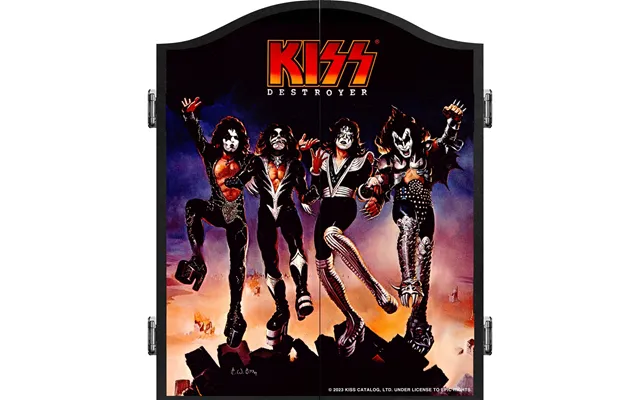
For homes with electronic dartboards or kids around, magnetic backboard panels or electronic-friendly surrounds can be a smart choice. Magnetic panels protect the wall and create a tidy look, while some designs integrate with electronic scoring systems. They won’t absorb a stray steel-tip dart the same way as cork or foam, so match the type to your board: soft-tip darts pair with electronic-friendly surrounds, while steel-tip boards do best with tougher, denser backboards.
Choosing the right size means balancing protection and aesthetics. A popular size covers an area around the board that’s roughly 20 inches to 36 inches wider than the board on every side. Standard bristle dartboards measure about 17.75 inches in diameter, so many players pick backboards that are 36 inches to 40 inches square to catch most stray throws. Thickness varies from about 1/4 inch to 1 inch and more; thicker boards stop darts better but add weight — think a lightweight foam backboard at 3 to 5 pounds versus a solid wood board that can be 15 to 25 pounds.
Mounting your backboard correctly is as important as picking the material. Regulation height for the center of the bull is 5 feet 8 inches (68 inches) from the floor, so make sure your board is aligned to that. The throw line—called the oche—for steel-tip darts is 7 feet 9.25 inches from the face of the board; for soft-tip electronic darts it’s often 8 feet. Use a level when you hang the backboard and anchor it into studs if possible, especially for heavier boards. If you can’t hit a stud, use quality wall anchors rated for the weight of the board and cabinet to avoid surprises.
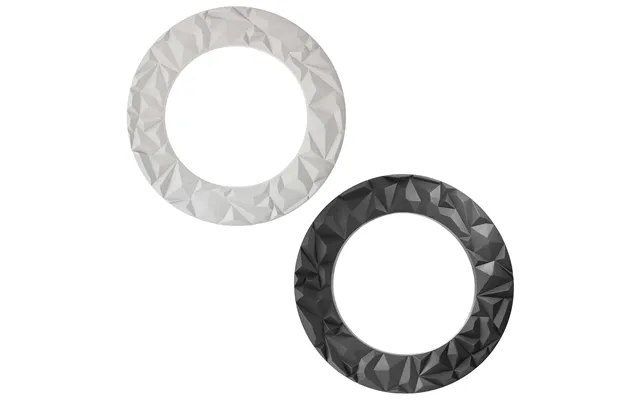
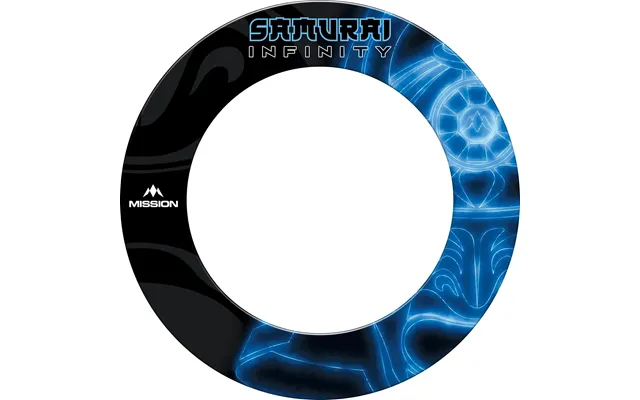
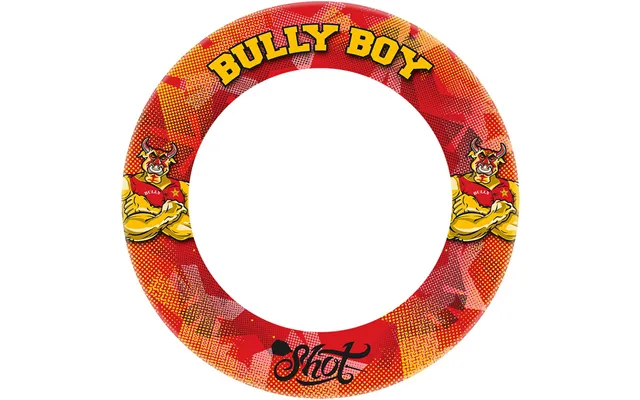
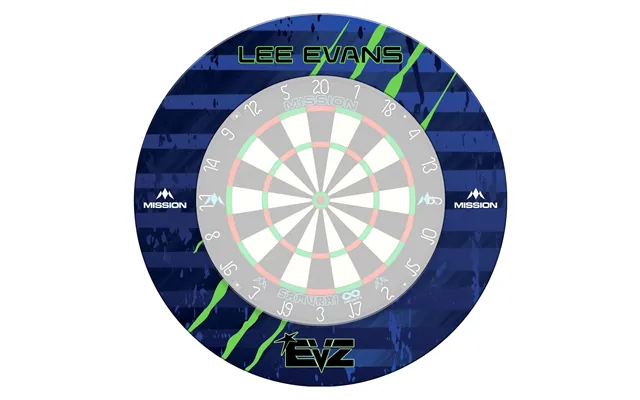
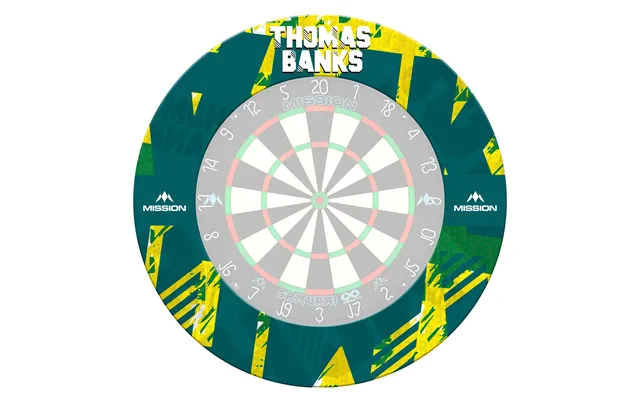
Backboards are the first line of defense, but there are accessories that make your setup both safer and more comfortable. A dartboard surround adds another layer of protection and can be made of rubber or foam to stop deflecting darts. A throw line mat protects flooring and gives you a consistent toe line with a non-slip surface. Combined, these little investments shield your walls, reduce noise, and create a small arena that feels more professional.
Surrounds are great if kids or pets dash around, or if you have a narrow hallway where a stray throw could spell disaster. Rubber surrounds are durable and easy to clean, while foam surrounds are lightweight and portable. Many surrounds come in sizes to fit standard 17.75 inch boards, and they’re a cheap insurance policy against scuffs and holes in your paint.
A good throw line mat adds comfort and a consistent stance marker for every game. Typical mats are about 4 feet long and 18 inches wide, providing room to stand and protect hardwood, tile, or carpet from scuffs. Some even have built-in measurements to help you hit the exact oche distance every time. For serious players, this small, inexpensive item is a habit-forming upgrade.
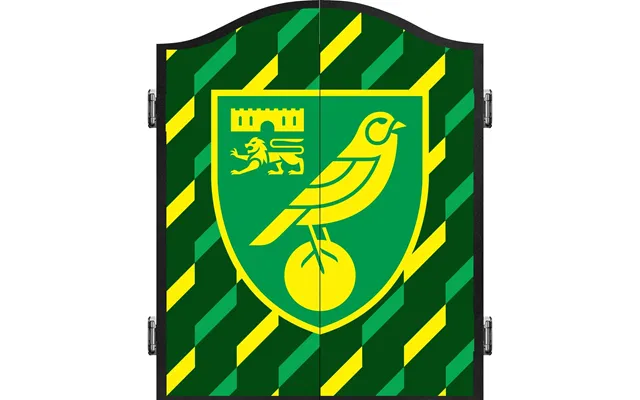
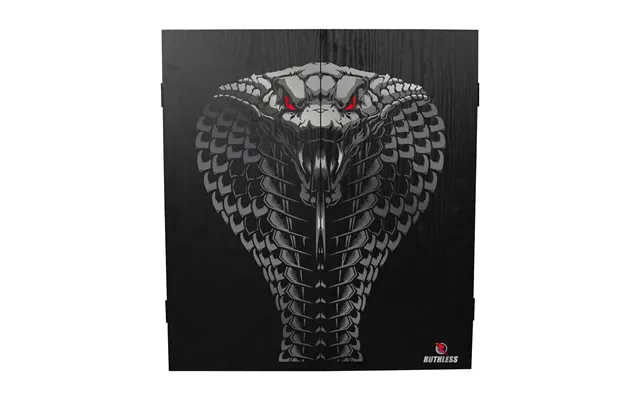
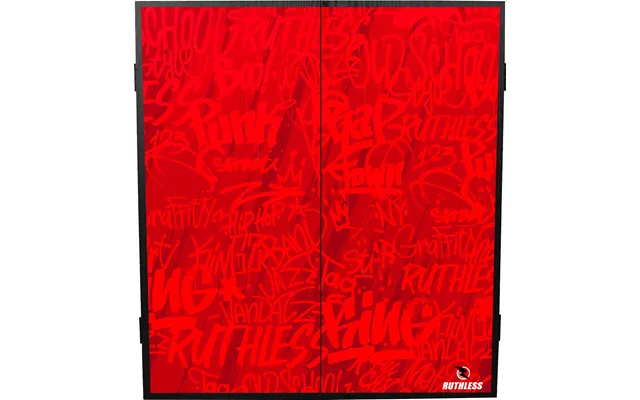
Where you play impacts the backboard you choose. For a cozy home bar, a wooden backboard with a cabinet looks classy and creates a focal point. In a high-traffic club or pub, opt for rugged materials like thick MDF or rubber that can handle constant play and occasional rough handling. For garage setups or outside-covered patios, pick weather-resistant foam or rubber that won’t warp if humidity changes. The right backboard should match the room’s vibe and the expected level of use.
Backboard prices vary by material, size, and finish. Expect entry-level foam or thin cork backboards to start around $15 to $30 for basic models, which are fine for casual players. Mid-range wooden or thicker cork boards typically range from $40 to $100 and offer better durability and looks. Premium solid-wood, designer-finish, or integrated cabinet systems can run $120 to $300 or more, especially if you pair them with quality lighting and accessories. Think of it as choosing a car: a reliable commuter model gets you where you need to go, while a top-trim option brings comfort and style.
Ask yourself a few quick questions: Are you a casual thrower or a league player? Do you rent or own? Is decor important? If you want low maintenance and portability, choose foam or cork. If you want a centerpiece and you're playing regularly, choose a heavier wood or MDF option and pair it with a cabinet and good lighting. Budget? Decide how much you’re comfortable spending on protection versus looks. Finally, check the weight and mounting hardware so you don’t end up with an unplanned home improvement project.
Most backboards need little more than the occasional wipe-down. For wood, avoid soaking the board—use a damp cloth and dry quickly. Cork and foam benefit from rotating or flipping if your model allows it; this spreads wear and extends the life by preventing one spot from becoming a target. Inspect mounting hardware annually and re-tighten anchors if the board wobbles. Treat a backboard like your favorite pair of shoes: a bit of care makes it last longer and feel better every time you step up to throw.
Accessories can elevate both your game and the look of your setup. A lighting kit aimed at the board reduces shadows and makes it easier to see tight triples. Scoreboards—chalk, dry erase, or electronic—make games smoother. Darts mats, cabinet brushes, and spare flights and shafts keep everything tidy. If you’re serious, a set of tournament-quality darts and a board cleaning tool will reduce bounce-outs and protect the board. Accessories often deliver more value than you’d expect, turning a good setup into a great one.
Comparison sites can save you time and money by showing product features, prices, and user reviews side-by-side. Look for platforms that aggregate offers from multiple retailers and filter by material, size, and price. That way you’ll spot discounts on bundles—like a board plus a backboard and cabinet—and can compare shipping or local pickup options. Think of price comparison as window-shopping without leaving the couch: faster, smarter, and often cheaper.
Choosing the right dart backboard is about balancing protection, budget, and style. Whether you pick a feather-light foam pad for a rental or a solid wooden backboard for a home bar, the right choice protects walls, cuts noise, and can even improve your accuracy by reducing bounce-outs. Pair your backboard with a surround, a throw line mat, and decent lighting, and you’ll create a playing area that feels like home to great throws and friendly competition. Ready to upgrade your setup? Measure twice, pick the material that fits your life, and enjoy sharper games and fewer wall repairs.
| Dart Backboards | Price | |
|---|---|---|
| Ruthless Mini Desktop Dartboard Surround - To Fit Mini Desktop Dartboard | £ 7,95 | |
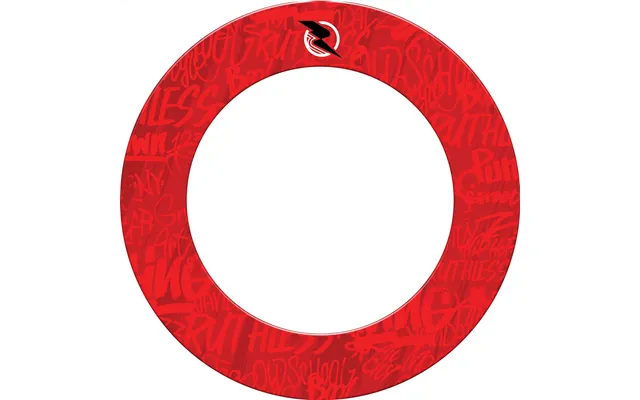
| Ruthless Dartboard Surround - Professional | £ 35,95 | |
| Ruthless Dartboard Surround - Professional | £ 35,95 | |
| Ruthless Dartboard Surround - Professional | £ 35,95 | |
| Tottenham Hotspur Dartboard Surround - Official Licensed | £ 41,95 | |
| Brentford Fc - Official Licensed | £ 41,95 | |
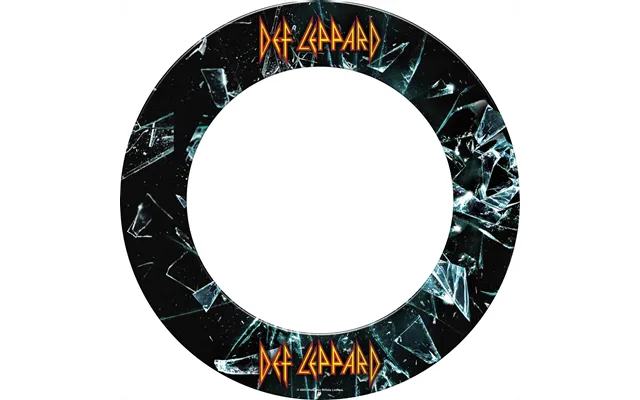
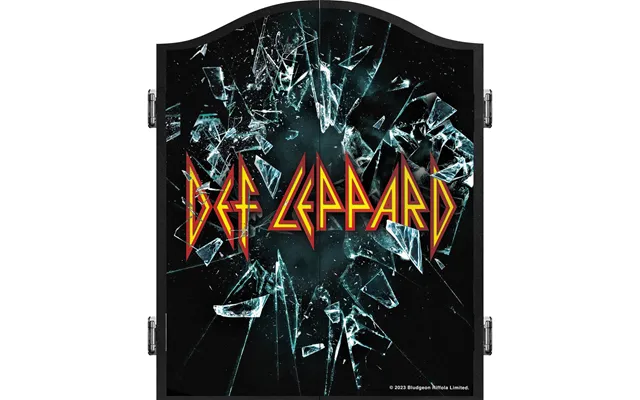
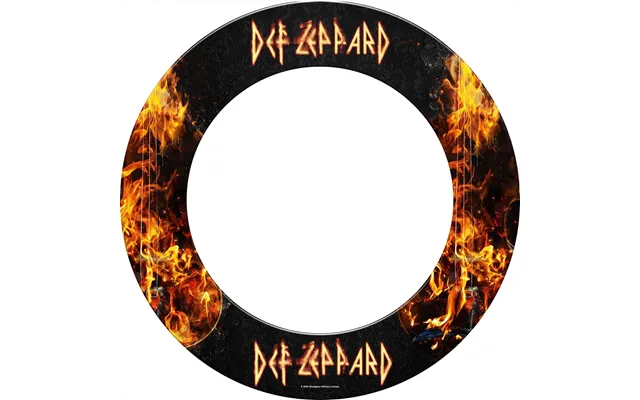
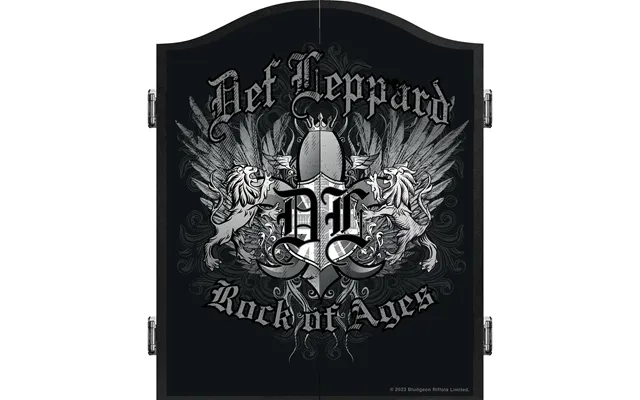
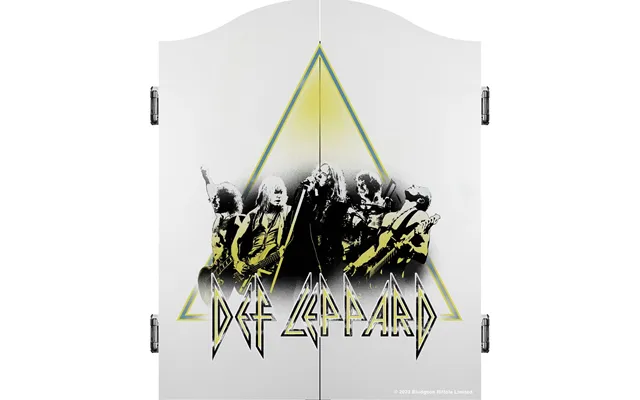
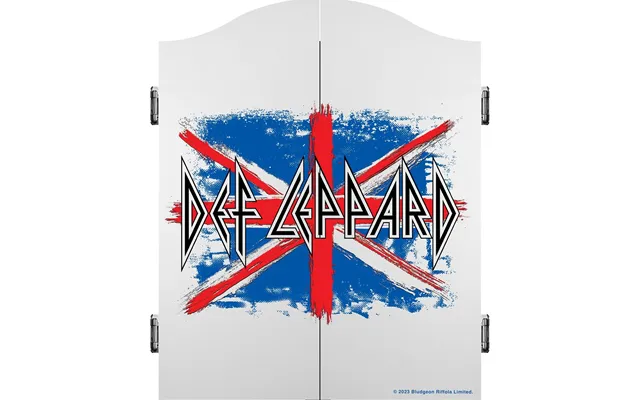
| Def Leppard Dartboard Surround - Official Licensed | £ 41,95 | |
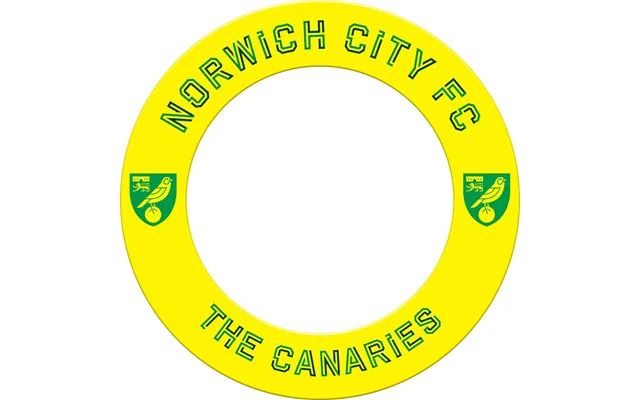
| Norwich City Fc - Official Licensed | £ 41,95 | |
| Unicorn Dartboard Surround - Lightweight Eva | £ 54,95 | |
| Unicorn Dartboard Surround - Lightweight Eva | £ 54,95 |