






Little Women Lingerie price list
Last updated Sunday, 27 Sept 2026






| Store | Status | today | distance |
|---|
Loading...
Loading...
Last updated Sunday, 27 Sept 2026
Little Women Lingerie started as a small, determined idea. A founder—often described as a woman with an eye for detail and a heart for inclusivity—noticed a gap in the UK lingerie market: stylish pieces designed specifically for smaller frames and petite bodies. Rather than follow the crowd, she built a brand focused on fit, comfort, and personality. The store launched in the early 2010s as an online boutique and later opened physical showrooms in a few UK towns. That mix of e-commerce convenience and in-person fitting care helped the brand gain loyal customers quickly.
The name Little Women Lingerie signals both scale and sensitivity. It’s a straightforward promise: this brand understands smaller sizes and celebrates them. It avoids cliches and instead uses a gentle, confident voice. The name made an immediate connection with shoppers who felt overlooked by mainstream lingerie retailers. It also gave the brand a clear identity that directed product design, marketing, and customer service.
No brand grows without struggles. Little Women Lingerie faced inventory constraints, tight margins, and the challenge of convincing shoppers to try something new. Early on, the team invested heavily in fit research—measuring different petite body types, designing adjustable features, and developing bra patterns that supported without overwhelming smaller frames. Those investments led to a breakthrough: word-of-mouth referrals and social media posts from satisfied customers who finally found comfortable, flattering lingerie.
Lingerie is intimate. Trust matters. Little Women Lingerie built that trust by prioritizing privacy, offering detailed sizing guidance, and creating a welcoming in-store experience. Fitting consultants were trained to listen first and to suggest pieces that balanced style with support. Online, the brand used clear photos, honest fit notes, and customer reviews to reduce uncertainty. Small gestures—like handwritten thank-you notes or discreet packaging—made a big difference in customer loyalty.
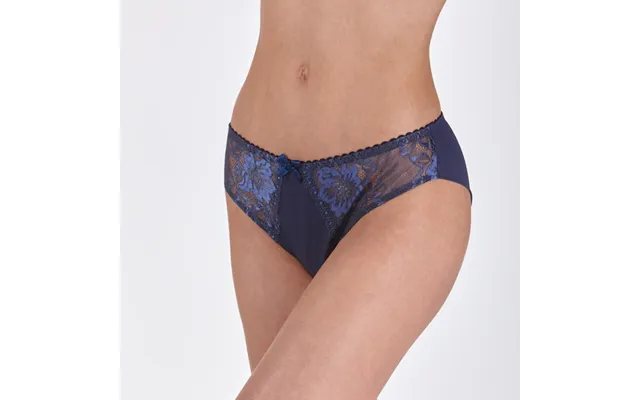
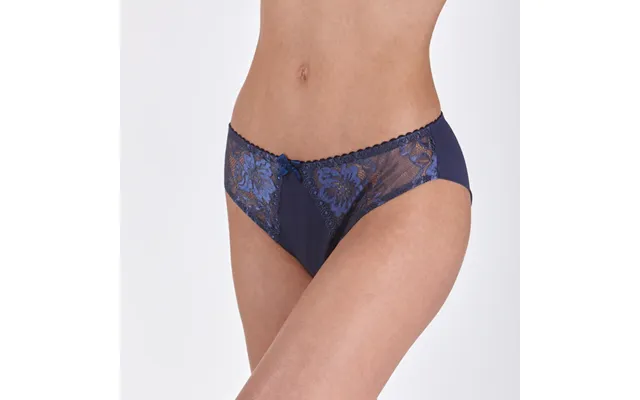
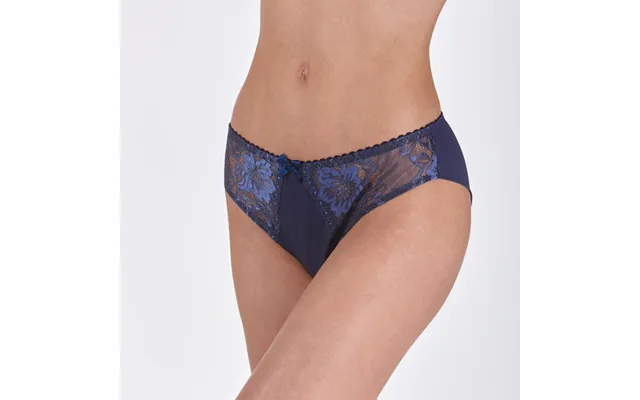
From the start, Little Women Lingerie took a design-first approach. The brand’s pieces are known for clean lines, smart engineering, and whimsical touches. Designers worked with local pattern-makers and used high-quality fabrics to ensure longevity. Over time, the range evolved to include everyday bras, luxury lingerie, sleepwear, and swimwear cut for smaller frames. Seasonal collections introduced color and texture while staying true to the core promise: fit that flatters.
One of the brand’s most praised moves was expanding sizing across the petite spectrum. Instead of a one-size-fits-all mentality, Little Women Lingerie offered multiple band and cup combinations for smaller bodies. Adjustable straps, convertible designs, and stretch fabrics made the pieces versatile. The brand also offered adaptive options for women with different needs, further broadening its reach and setting it apart from competitors who often used a narrower sizing model.
Little Women Lingerie didn’t rely solely on ads. It nurtured a community. The brand partnered with petite fashion influencers, sponsored body-positive events, and launched fit-focused workshops. Customers were encouraged to share photos and stories, creating a feedback loop that influenced new designs. The brand also partnered with small UK designers and ethical mills to maintain a local supply chain. Those partnerships strengthened credibility and aligned the brand with values of quality and responsibility.
Social media was a natural home for Little Women Lingerie’s community-first approach. Rather than push glossy, aspirational images, the brand used real customers and behind-the-scenes content. Fit tutorials, live Q&A sessions, and honest conversations about body image resonated. Those tactics generated organic reach and built a loyal following who felt represented and heard.
After establishing an online presence, Little Women Lingerie expanded to a handful of boutique stores and pop-up events across the UK. These spaces focused on quiet, supportive fitting rooms and staff trained to prioritize comfort. The stores were designed like calm living rooms, with soft lighting and a relaxed pace. Buyers could feel fabrics, try different sizes, and get personalized fit advice—something many larger retailers struggled to provide.
The brand stayed digital-first while maintaining that human touch. Online shoppers had access to video fit guides, virtual fittings, and a responsive customer support team. Returns were handled with empathy and ease—no awkward forms, just clear instructions and fast processing. This blend of technology and humanity kept customers coming back and helped the brand maintain an efficient operation while delivering excellent service.
The UK lingerie market features many players: long-established department brands, high-street chains, and boutique specialists. Little Women Lingerie carved a niche by focusing on petite sizing and tailored fit. Here’s how it stacks up against several types of competitors.
High-street brands often offer broad ranges at accessible prices. They have scale and can carry lots of styles. But that scale can be a drawback for small-size customers: patterns and fits tend toward average body shapes. Little Women Lingerie wins on precision. It may not match the price or variety of a big retailer, but it offers better-fitting bras for petite figures and more attention to individual needs. In short: if you want a quick, cheap option, high-street stores work. If you want a bra that truly fits and lasts, Little Women Lingerie is often the smarter choice.
Luxury designers focus on craftsmanship and sensuality, often with higher price tags and glamorous campaigns. Little Women Lingerie shares quality but aims at practicality as much as beauty. It creates elegant pieces with thoughtful engineering, rather than purely decorative lingerie. Compared to luxury brands, Little Women Lingerie offers excellent value: refined design and reliable fit without an excessively high price. If you want couture-level materials and runway drama, a luxury brand might fit the bill. But for everyday elegance tailored to petite bodies, Little Women Lingerie strikes a sweet spot.
Some UK brands specifically target fit issues—Bravissimo, for example, specialises in D+ cups across bands, while others might focus on shape. Little Women Lingerie’s edge is its acute focus on petite measurements across both band and cup sizes. While Bravissimo serves larger busts well, and Figleaves has a broad online catalog, Little Women Lingerie zeroes in on the unique silhouette of shorter frames. The product lines may be narrower, but the fit accuracy is higher for the target customer.
Fast-fashion sites offer trendy pieces at low prices with quick turnover. They are great for experimenting with looks. Yet, their lingerie often sacrifices fit and long-term comfort. Little Women Lingerie instead invests in durability, better fabrics, and design details that improve fit for petites. If you’re buying for a season, fast fashion is tempting. If you want reliable fit and less waste, Little Women Lingerie is a better long-term investment.
Customers repeatedly cite several reasons for choosing Little Women Lingerie: precise fit, friendly service, curated styles, and an empowering brand voice. Many say they felt overlooked by bigger retailers and relieved to find a brand that speaks directly to their body type. The emotional connection—feeling seen and supported—drives loyalty more than price or flashy marketing.
Practically speaking, the benefits are simple: less discomfort, fewer wardrobe malfunctions, and more confidence. A well-fitting bra changes how clothes hang, reduces back strain, and improves posture. Little Women Lingerie’s commitment to those tangible results creates real daily value for customers.
No brand is done growing. Little Women Lingerie faces challenges common to niche retailers: scaling while maintaining fit quality, managing higher production costs, and competing with lower-priced alternatives. Growth opportunities include expanding into international markets, developing maternity or nursing ranges, and offering more adaptive lingerie. Strategic partnerships with sustainable fabric suppliers could also elevate the brand’s appeal among eco-conscious shoppers.
The trick will be growth without losing identity. Expanding product lines or distribution must still feel like the same brand customers trust. Little Women Lingerie can leverage data from its loyal customer base to guide new collections, keeping the voice intimate while scaling carefully.
In recent years, Little Women Lingerie has leaned into sustainability. The brand sources better fabrics, partners with smaller ethical mills, and reduces waste by producing limited runs. Packaging is designed to be minimal and recyclable. While the brand isn’t fully zero-waste, its direction aligns with consumer demand for more responsible fashion choices. Customers who care about the planet appreciate this intentional approach.
Transparency matters. Little Women Lingerie publishes information about its suppliers, materials, and manufacturing processes. That openness builds trust and differentiates the brand from retailers that hide supply chains. It also allows customers to make informed choices and to feel good about their purchases.
Beyond sales figures, Little Women Lingerie’s real impact is personal. Customers share stories of finally finding bras that fit after years of discomfort, brides who felt confident on their wedding day, and women who discovered a new sense of self-worth. These narratives create cultural ripples: they prompt conversations about fit, representation, and the importance of designing for diverse bodies. The brand has become part of a larger movement that refuses to accept one-size-fits-all standards.
Many new designs come directly from customer feedback. The brand listens—through surveys, social posts, and fitting sessions—and turns suggestions into prototypes. This community-driven innovation keeps designs relevant and ensures that the pieces solve real problems, not just look pretty.
Little Women Lingerie started as a focused response to a clear gap in the UK market. It grew by listening, designing thoughtfully, and prioritizing the needs of petite women. Compared to big high-street names, luxury designers, and fast-fashion platforms, it holds a unique middle ground: high on fit and comfort, thoughtful on style, and accessible enough for everyday wear. The brand’s future will depend on balancing expansion with the personal touch that made it special in the first place.