


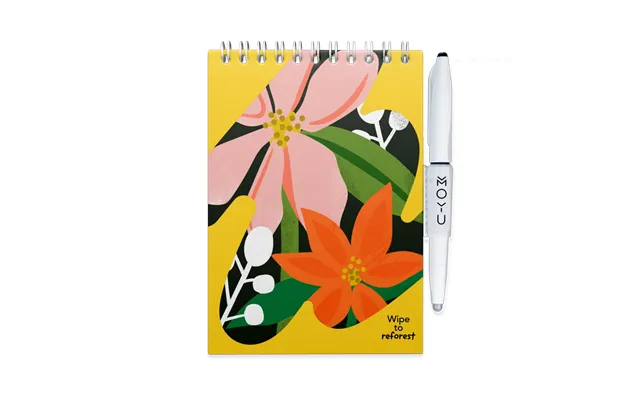
MOYU price list
Last updated Monday, 19 Oct 2026





| Store | Status | today | distance |
|---|
Loading...
Loading...
Last updated Monday, 19 Oct 2026
MOYU is a modern stationery brand built around a simple question: why should a notebook become waste after a few weeks or months of use? Its answer is a reusable notebook made for writing, wiping and writing again. In the United Kingdom, where consumers are paying closer attention to plastic waste, paper use and responsible shopping, that idea has found a natural audience.
The MOYU story began in the Netherlands, not Britain. The brand developed its reusable notebook concept as an alternative to traditional paper notebooks. Instead of filling a book once and sending it to recycling, users can clean the pages with water and start again. This approach gives MOYU a clear place between stationery, sustainability and everyday productivity.
As the company expanded beyond its home market, the UK became an important destination. British shoppers already had a strong interest in eco-friendly products, refill systems and long-lasting design. They were also familiar with online stores that make niche products easy to discover and buy. MOYU could therefore reach students, office workers, teachers, artists and environmentally aware households without relying only on traditional high-street shops.
The UK presence of MOYU has grown mainly through online retail, digital marketing and partnerships rather than through a large chain of physical stores. This is worth noting. When people search for the “MOYU store UK”, they are often looking for the brand’s online shopping experience, delivery information, notebooks and accessories. The store is better understood as a direct-to-consumer brand with an international reach than as a typical British stationery shop with dozens of branches.
At first glance, a reusable notebook sounds like a small change. In practice, it changes the whole life of a notebook. A normal book has a short cycle: you buy it, write in it, fill it and replace it. MOYU stretches that cycle. Its pages are designed to be written on with compatible pens and then wiped clean with water, allowing the same notebook to support several projects over time.
This is the central part of MOYU’s history and identity. The product was not created simply to look different on a desk. It was created to reduce the need for repeated paper purchases. That makes the notebook a practical example of circular design. The aim is not to produce a disposable item more efficiently. The aim is to keep the item in use for longer.
Many MOYU notebooks use a special synthetic writing surface rather than ordinary paper. This surface is smooth, durable and suitable for repeated use. Users normally write with the brand’s recommended erasable markers or pens. Once the notes are no longer needed, they can wipe the surface with a damp cloth. The pages can then be used for a new list, lesson, plan or idea.
That process feels a little like having a whiteboard in book form. You get the privacy and portability of a notebook, but you also get the reset button of a whiteboard. For busy people, that combination can be useful. A shopping list, weekly plan or brainstorming page does not need to live forever. Why keep buying a new pad for information that will soon be obsolete?
The UK throws away huge amounts of paper and packaging every year. Paper recycling is valuable, but recycling still requires collection, transport, energy and processing. Reuse usually comes earlier in the waste hierarchy. If one notebook can replace several conventional notebooks, the potential benefit is easy to understand.
However, MOYU does not promise that one product will solve the entire paper-waste problem. A reusable notebook still has an environmental footprint. It requires materials, manufacturing, packaging and delivery. Its sustainability depends on how often people reuse it and whether they choose suitable pens and care for the pages correctly. This balanced view matters. Eco-friendly shopping works best when it focuses on long-term habits rather than impressive slogans alone.
For UK consumers, the appeal is also practical. A reusable notebook can reduce clutter at home. It can make work bags lighter over time. It can replace disposable pads in meetings, classrooms and kitchens. It may even help people organise their thoughts without creating a trail of half-used notebooks in drawers.
MOYU’s development reflects a wider shift in consumer culture. People increasingly want products that are useful, attractive and less wasteful. They do not necessarily want to sacrifice convenience for sustainability. MOYU’s success comes from joining those two needs together.
The brand has positioned itself as more than a notebook manufacturer. Its products are linked to mindful consumption, creative work and smarter organisation. This gives the store a lifestyle quality. A customer is not only buying pages. They are buying a different routine: write, use, wipe and repeat.
That message has helped MOYU appeal to more than one customer group. Students may use a notebook for revision notes, language practice or exam planning. Office workers may use one for meetings and project lists. Families can use it for meal plans, chores and shopping. Freelancers may carry it for client notes and quick sketches. Teachers can use reusable pages for demonstrations and classroom activities.
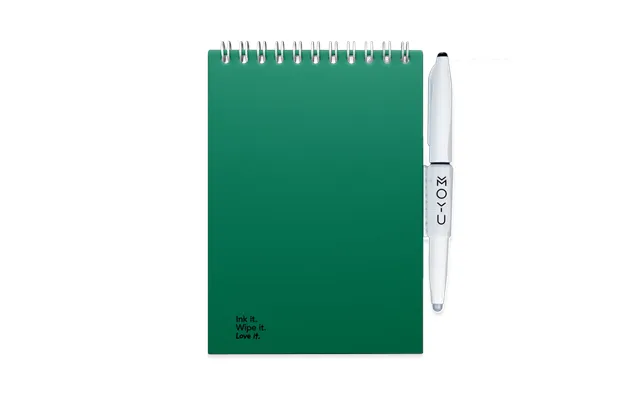
The product range has also developed around different working styles. Some shoppers prefer compact notebooks that fit inside a handbag or laptop case. Others want larger formats for diagrams, planning and detailed notes. Accessories such as compatible pens, cloths and storage items help turn a single notebook into a complete writing system.
Every new stationery idea faces the same challenge: will people use it after the first burst of excitement? MOYU has worked to move beyond novelty. Its strongest selling point is not that it looks unusual. It is that the reusable format can become part of a daily routine.
The difference is important. A novelty product sits on a shelf and attracts attention. An everyday tool earns its place by solving a repeated problem. MOYU’s problem is straightforward: people need to write things down, but much of that information has a short life. The notebook responds with a simple cycle that users can repeat.
Still, the experience is not identical to writing on ordinary paper. The surface can feel smoother. Some pens may not work correctly. Ink may need time to dry. Pages can show marks if they are not cleaned properly. These details do not make the product ineffective, but customers should understand them before buying. The best reusable products are not magic. They work well when used as intended.
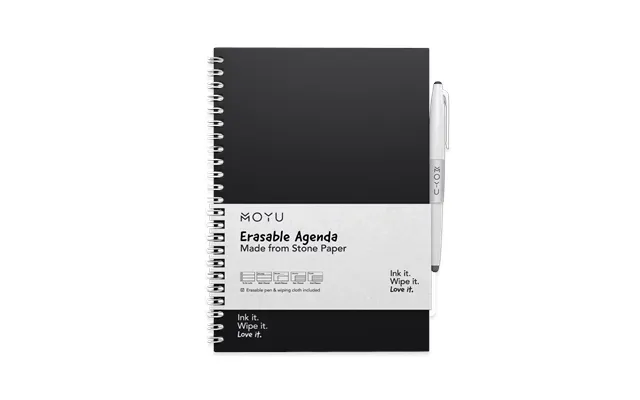
The MOYU UK shopping experience is mainly built around reusable notebooks and the accessories that support them. The exact range can change, but shoppers typically find notebooks in different sizes, layouts and designs. Some are suited to planning, while others are better for free writing, lists or creative work.
A key advantage of shopping directly from the brand is clarity. Customers can usually see how the system works, which writing tools are compatible and how to clean the pages. This matters because reusable stationery is more specialised than a standard exercise book. A clear product page can prevent disappointment and help customers choose the right format.
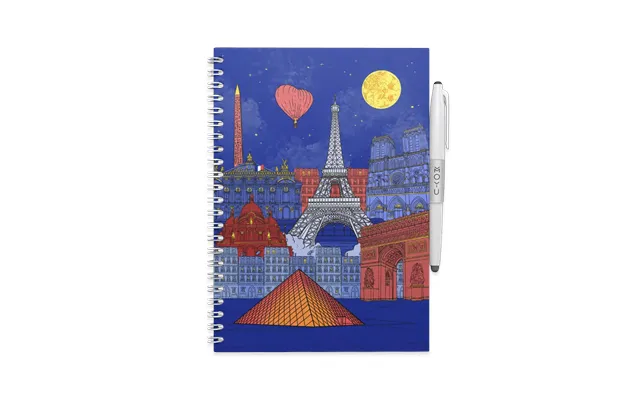
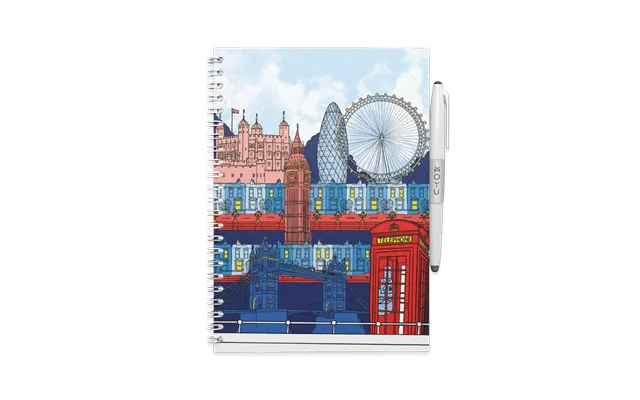
Design also plays a major role. The UK stationery market is crowded with products that compete through colour, texture and visual appeal. MOYU has to make sustainability feel desirable, not dull. Its notebooks are designed to look like products people are happy to carry into meetings, lectures and cafés. Good design gives an environmental message a practical face.
Gift buying is another possible strength. A reusable notebook is useful without being too personal. It can suit a new university student, a colleague, a teacher or someone starting a new job. The product also works well for people who enjoy planners and stationery but want to reduce waste. In that sense, MOYU sits between a functional tool and a thoughtful lifestyle gift.
Using a MOYU notebook is easy, but a few habits improve the experience. First, use the pen or marker recommended for the notebook. Ordinary ballpoint pens and permanent markers may not erase cleanly or may damage the surface. Second, allow the ink to dry before closing the notebook, especially when using darker colours or writing heavily.
When you want to clear the page, use water and a soft cloth. Avoid harsh cleaning products unless the manufacturer specifically recommends them. Wipe gently rather than scrubbing aggressively. A little care can help the writing surface stay in good condition for longer.
It is also sensible to save important information elsewhere. A reusable page is ideal for temporary notes, but it should not be the only place for a critical password, legal record or irreplaceable idea. Some users photograph pages before wiping them. That creates a useful digital archive while keeping the physical notebook available for reuse.
To understand MOYU’s position in the UK, it helps to compare it with familiar stationery retailers. Paperchase has long been associated with colourful notebooks, cards, gifts and design-led paper goods. Its strength lies in variety and visual choice. Customers can browse many covers, paper types and formats for different moods and budgets.
MOYU takes a narrower but more focused route. It does not try to offer every kind of paper product. Instead, it concentrates on the reusable notebook concept. If you want a traditional journal with thick cream paper, a dated diary or a decorative notebook for long-term writing, a conventional stationery store may offer more choice. If you want to reduce repeated purchases and reuse the same pages, MOYU has the clearer advantage.
Price is another difference. A standard notebook can be inexpensive, especially when bought in multipacks or during a sale. MOYU may cost more at the initial checkout because its writing surface and reusable design are specialised. The value depends on use. Someone who fills one notebook every few months may see stronger long-term savings than someone who buys a notebook once a year.
There is also an emotional difference. Traditional notebooks often become records of a particular time. Their pages may hold memories, sketches and personal handwriting. MOYU is designed for information that can be cleared. It is closer to a reusable workspace than a permanent diary. Neither option is automatically better; they serve different purposes.
Rocketbook is one of MOYU’s closest international competitors. Both brands offer reusable notebooks, but their experiences are not identical. Rocketbook is strongly associated with digital note-taking. Users can write on compatible pages, scan notes with an app and send them to services such as cloud storage. The pages can then be erased for future use.
MOYU focuses more directly on a simple physical reuse cycle. Its appeal is often the straightforward act of wiping the page and starting again. This can suit shoppers who want less technology in their routine. Rocketbook may appeal more to people who regularly digitise notes, share documents or organise work across cloud platforms.
The choice between them depends on behaviour. Do you want a notebook that connects closely to your phone and online files? Rocketbook may be the stronger fit. Do you want a reusable book that feels quick, visual and uncomplicated? MOYU may feel more natural.
Both brands require compatible writing tools, and both work best when users follow care instructions. Neither should be treated exactly like a normal paper notebook. The reusable surface is the product’s strength, but it also creates rules. Buyers should check pen compatibility, drying time, cleaning methods and page layout before making a decision.
The UK market contains other ways to reduce notebook waste. Wipe-clean whiteboards, laminated sheets and dry-erase organisers are often cheaper alternatives. A small whiteboard can work well in a home office or kitchen. Laminated sheets can support repeated checklists. Refillable notebooks let users replace paper inserts while keeping the cover.
These alternatives have clear strengths. A whiteboard is excellent for large visual plans. A refillable notebook offers the familiar feel of paper and allows important pages to be kept. Loose laminated sheets can be useful for specific jobs, such as cleaning schedules or lesson plans.
MOYU sits between those options. It is more portable than a wall-mounted board and more integrated than loose laminated pages. It also avoids the need to buy new inserts as often as a refillable system. Its compact book format makes it suitable for people who want to write while travelling, commuting or moving between rooms.
On the other hand, a refillable notebook may be better for notes that need to last. If you are writing a research journal, a personal diary or a project record, replaceable paper gives you more permanence. MOYU is strongest when the content is temporary, repeatable or constantly changing.
MOYU’s environmental appeal rests on reuse. Instead of buying several disposable notebooks, a customer can use one reusable notebook across many lists, plans and working sessions. This can reduce material consumption, especially for people who write frequently.
There is also a behavioural benefit. A reusable notebook makes waste visible. Each time you wipe a page, you are reminded that products can have more than one life. That small action can influence other choices, from refillable cleaning products to reusable food containers.
Yet responsible shoppers should look beyond the word “reusable”. Consider the materials, the expected lifespan, the packaging, the delivery journey and the accessories needed. The greenest purchase is often the one that replaces several purchases and remains useful for years. A reusable notebook left unused in a drawer has little environmental value.
MOYU can therefore be a strong choice for the right user, not for everyone. If you love permanent journals, prefer cheap paper notebooks or dislike smooth writing surfaces, the product may not fit your routine. Sustainability should not force people into products they will abandon. The best solution is the one you will genuinely use again and again.
MOYU is a good match for students who create temporary notes, revision plans and weekly schedules. It can also help university students who move between lectures, libraries and shared accommodation. Carrying one reusable notebook may be easier than carrying several pads.
It suits office workers and remote professionals who write meeting notes, action points and daily priorities. Teams may use reusable notebooks for workshops or brainstorming sessions, particularly when the notes are later photographed or transferred into digital documents.
Teachers, tutors and parents may also find the format useful. Reusable pages can support spelling practice, maths exercises, language learning and simple planning. Children should use the notebook with suitable supervision, particularly when using markers and cleaning cloths.
Creative users can benefit too. MOYU is not a replacement for every sketchbook, but it can work for quick ideas, rough layouts and visual thinking. Designers and writers often need a low-pressure place to explore an idea before deciding whether it deserves a permanent record.
If you want a luxury leather journal, a traditional diary or an archival notebook, MOYU may not be the right destination. Stores such as Papier, WHSmith, John Lewis and independent stationery boutiques offer broader choices for permanent writing and gift presentation.
If your main priority is digital scanning, Rocketbook may deserve closer attention. If you want very low upfront cost, a supermarket or discount stationery retailer will usually win. If you want a personalised notebook, a custom-print service may provide more options for names, covers and branding.
This comparison does not weaken MOYU’s position. It makes the buying decision clearer. MOYU is not trying to be every stationery product at once. It is built around a specific promise: make everyday writing more reusable.
The future of MOYU in the UK will depend on education, trust and repeat use. Customers need to understand how the product works before they buy it. They also need confidence that the notebook will survive real daily use. Clear instructions, honest product information and reliable customer service will matter as much as attractive design.
The brand may benefit from growing interest in low-waste offices, sustainable schools and responsible corporate gifts. Businesses are under pressure to reduce waste and show practical environmental action. Reusable notebooks can support that aim, especially when companies buy them for meetings, training days and employee welcome packs.
MOYU may also find opportunities through partnerships with British retailers, universities and environmental organisations. Demonstrations could be particularly effective. Once people see a page being wiped clean, the idea becomes instantly understandable. It is a small piece of product theatre, but it answers the biggest question: does it really work?
Competition will continue to grow. More brands are exploring erasable paper, refill systems and digital note-taking. MOYU will need to keep improving its materials, design and customer experience. The future winner will not simply be the brand with the greenest message. It will be the one that makes sustainable behaviour feel easy, attractive and worthwhile.
For UK shoppers, MOYU offers a fresh alternative to the traditional notebook habit. Its history is part of a wider movement away from disposable products and towards longer use. The brand combines the comfort of handwriting with the logic of reuse. That makes it different from classic stationery stores, digital note systems and basic whiteboards.
Is MOYU the perfect notebook for every person? No. A permanent journal, refillable organiser or digital tablet may suit you better. But if you write many temporary notes and want to cut down on repeated paper purchases, MOYU is a smart option to consider. Its real value appears over time, page by page, wipe by wipe. In a market full of products designed to be replaced, MOYU asks a more useful question: what if the same notebook could keep up with you?