

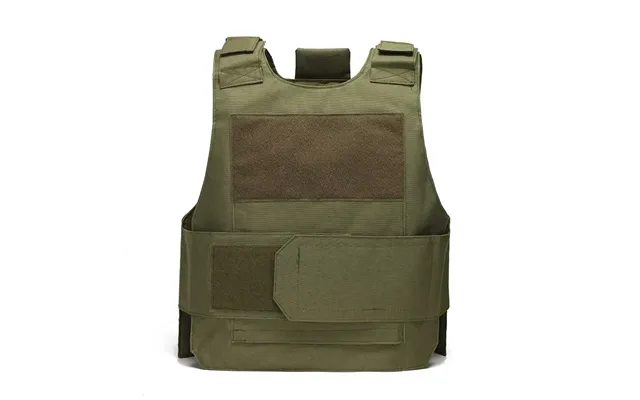
Bullet Proof Vests price list
Last updated Monday, 19 Oct 2026
| Bullet Proof Vests | Price |
|---|---|
| Vest Multi Functional Armor Plate Carrier Vest Cp Camo 800d | £24.62 |




Loading...
Last updated Monday, 19 Oct 2026
| Bullet Proof Vests | Price |
|---|---|
| Vest Multi Functional Armor Plate Carrier Vest Cp Camo 800d | £24.62 |
When safety is on the line, a solid bullet proof vest feels like a quiet bodyguard under your shirt. Whether you work security, report from unpredictable scenes, or simply want peace of mind, the right vest transforms risk into manageable reality. The UK market now offers a wide range of options, and smart shoppers use comparison pages to weigh features, protection levels, and prices side by side before they buy from a retailer. Ready to cut through the noise?
It is not just law enforcement. Private security, door supervisors, close protection teams, journalists, field medics, and volunteers at large events all benefit from reliable ballistic protection. Some civilians choose vests for high-risk trips or discrete personal safety. The key is matching threats to gear: if your risk is handgun rounds at close range, you need different protection than if you might face rifle fire. Different roles, different vests—simple as that.
“Bullet proof” is a shorthand. Technically, vests are “bullet resistant” to a tested standard, not invincible. Protection is defined by level, ammo type, and velocity. One vest may stop handgun rounds but not rifle rounds; another may shrug off rifle hits but feel heavier. Think of it like windproof jackets: great at their rated job, but not magic capes. Read the rating, match it to the threat, and you will set expectations correctly.
Most reputable vests reference NIJ standards, a widely recognized benchmark for ballistic resistance. These levels tell you what a vest has been tested to stop. You get soft armor levels for handguns and hard armor levels for rifles. That single detail—soft versus hard—often decides comfort, concealability, and cost. Once you know your likely threats, picking a level becomes far easier and far more cost-effective.
Soft armor panels, usually around a quarter to a third of an inch thick, flex with your body and hide well under clothing. Level II is lighter and cooler, favored for long shifts. Level IIIA raises the protection bar against faster handgun rounds while staying concealable, though it adds a touch of weight and thickness. If you need all-day wear under a shirt or blazer, Level II and Level IIIA are the usual sweet spots.
When rifle threats are on the table, hard plates enter the chat. Level III plates are rated for many rifle rounds, while Level IV targets armor-piercing threats and sits at the top of common civilian protection. Plates vary in thickness from about three quarters of an inch to just under an inch, and weights typically range from roughly 3 pounds to 9 pounds per plate, depending on material and build. More protection often means more weight—choose deliberately.
Soft armor vests shine when you want protection that does not advertise itself. They contour to the torso, ride comfortably under button-downs, and let you move naturally through doorways, crowds, and vehicles. Because they cover a broader area than stand-alone plates, soft vests can protect more of your chest and back—while remaining easier to wear for hours on end. If discretion is your priority, this is where you start.
Most soft armor panels blend aramid fibers (like Kevlar-brand fabrics) and high-strength polyethylene (UHMWPE). Aramid brings heat resistance and durability, while UHMWPE offers exceptional strength-to-weight. Together, they create panels that are tough, flexible, and relatively thin. Some sets lean more aramid for ruggedness; others lean more UHMWPE for lighter weight. If you plan to wear your vest all day, that subtle materials mix can feel like the difference between a quick jog and a slog.
Soft armor does its best work when it fits like it was tailored. The front panel should cover from just below the collarbone down to about two finger widths above the beltline when seated. The sides should not gap, and shoulder straps should sit flat without digging. If you are between sizes, check for adjustable cummerbunds and elastic panels. Remember: protection you actually wear beats “perfect” gear left in a locker.
Plate carriers turn your torso into a mobile shield. They hold hard plates front and back (and sometimes sides), and they accept add-ons like magazine pouches, radios, and medical kits. They are obvious—less discreet than concealable soft vests—but they bring rifle-rated protection with modular flexibility. Door supervisors may prefer soft armor; teams anticipating higher threats often reach for carriers paired with plates.
Ceramic composite plates offer strong rifle protection with reasonable weight, often around 6 to 8 pounds each at higher levels. Pure UHMWPE plates can dip closer to 3 to 5 pounds for some Level III configurations, trading thickness and cost for less fatigue. Steel plates are budget-friendly but can weigh 7 to 10 pounds, may need anti-spall coatings, and feel less forgiving. If you plan to move fast all day, lighter plates pay dividends.
Plate carriers vary wildly. MOLLE webbing lets you mount pouches exactly where you want them. A solid cummerbund stabilizes weight and can hold side plates. Quick-release systems let you ditch the carrier in seconds during medical emergencies. Look for padded shoulder straps, breathable inner mesh, and plate pockets sized to your plates—usually 10 by 12 inches for many civilian-style carriers. The right features turn a heavy rig into a balanced ride.
Ballistic and stab protection are different beasts. A vest that excels against bullets may not stop a spike or slash, and vice versa. If you face edged threats—think knives, screwdrivers, needles in close quarters—seek a vest rated for spike and stab resistance alongside ballistic performance. The testing is separate, and those ratings matter just as much as NIJ levels when your risk profile includes blades or improvised threats.
Dual-threat vests combine ballistic and anti-stab layers, giving you meaningful defense against both handgun rounds and edged weapons. They will be slightly thicker and heavier than pure ballistic panels, but for many security roles, that trade makes sense. When comparing offers, confirm third-party testing and the exact rating level for spikes and blades. This is not optional fine print; it is what decides real-life performance in close contact scenarios.
Comparing bullet proof vests is not just about the headline price. Look deeper: What level, what materials, what coverage, and what is included? Some listings bundle carriers and plates; others sell panels alone. Price list pages and popular offer roundups help you size up apples-to-apples differences fast. A slightly pricier vest with the right level and warranty often saves money over a “cheap” one that does not fit your risk profile.
Check the level first, then weight and thickness. Note plate size and cut—SAPI or shooter’s cut in 10 by 12 inches is common. For soft armor, look at panel flexibility and stated coverage. Confirm whether trauma pads are included. For carriers, verify acceptability of your plate thickness, and look for stitching quality and reinforcements at stress points. If the spec sheet seems vague, proceed carefully—clarity is a hallmark of reliable gear.
Ballistic materials age. Always check the manufacturing date and the warranty. Soft armor commonly carries a 5-year ballistic warranty; some plates offer similar terms. A great price on an old stock panel may not be a bargain if you lose years of service life. Keep proof of purchase and inspect labels. In short, the clock matters—buy fresh when possible and track your gear like you would a car’s maintenance schedule.
Let’s be honest: you will not wear a vest that fights you every step. Comfort is not a luxury; it is a safety feature. The more comfortable the vest, the longer you will keep it on, and the better protected you remain. Concealable soft vests and low-profile carriers shine for daily use, especially in hot interiors or crowded venues. When you can forget you are wearing it, you chose well.
A breathable carrier liner feels like a cool breeze on a long shift. Look for mesh channels that move air across the chest and back, and sweat-wicking fabrics that keep moisture off your skin. Removable, washable covers help keep things fresh. If you know you perspire heavily, prioritize airflow and quick-dry materials. Comfort compounds: a cooler vest keeps focus sharp when the room heats up, and that can be the edge that matters.
Every ounce and inch counts. Soft armor panels around a quarter inch thick often feel natural under a shirt, while thicker dual-threat sets can feel a touch bulkier. Hard plates can add 6 to 16 pounds across front and back, depending on material. Measure your tasks: stairs, doorways, long patrols, and vehicle time. Choose the lightest setup that still meets the threat. Mobility is protection by another name—if you move better, you avoid danger better.
Your vest is like a seatbelt for the unpredictable—treat it with respect. Routine inspections, proper cleaning, and smart storage keep performance steady. Most ballistic materials do not love extreme heat, harsh chemicals, or being bent in odd ways. Create a simple checklist: inspect, clean, dry, store flat. A few minutes of care extends years of confidence.
Do remove panels before washing the carrier. Do wipe panels gently with a damp cloth and mild soap if needed. Do air dry—no tumble dryers or radiators. Do not bleach, do not machine wash panels, and do not iron. Keep Velcro free of lint, and close straps before storage so they do not snag fabrics. Think gentle and cool, not hot and harsh. Your vest will thank you with steady performance.
If you see delamination, cracked plates, warped panels, or frayed stitching at load points, take notice. If labels are unreadable or the warranty window has passed, plan a replacement. After any ballistic impact, follow the manufacturer guidance—many recommend replacing impacted panels or plates. When in doubt, err on the side of caution. Gear ages silently; your safety should not be a guess.
In the UK, body armor ownership is generally legal, but regulations can change and special circumstances may apply. Always confirm current local laws and any restrictions that may impact purchase, possession, or use. Use protective gear responsibly and ethically. Wearing a vest to safeguard your life is one thing; misusing equipment is another. Keep it above board and documented, especially for professional roles and events.
Before you purchase, check laws in your specific area, and if your job involves regulated environments—like event security—confirm that your vest meets the venue or employer’s standards. Keep receipts, warranty cards, and certification records handy. Laws and rules exist to ensure safety for everyone involved; treat them as part of your protective setup, not an afterthought.
Match your vest to your day, and you will get more value from every pound spent. Strolling through calm lobbies? Concealable soft armor makes sense. Managing a club entrance with close contact risks? A dual-threat vest can shine. Anticipating higher-caliber threats or operating in uncertain areas? A plate carrier with Level III or Level IV plates may be the right call. It is about context, not hype.
Door supervisors often face close-range scuffles, improvised weapons, and the occasional knife threat. Dual-threat soft vests that combine ballistic and anti-stab performance offer balanced coverage without drawing attention. Look for breathable carriers, secure cummerbunds, and slick profiles that do not snag. Your vest should help you de-escalate with confidence, not load you down like a pack mule.
Reporters working near unrest or crime scenes need flexible protection that moves with them. A low-profile carrier with lightweight plates or a Level IIIA soft vest under a jacket can provide a safety net while preserving mobility. Consider modular setups: soft armor for interviews, plates added if conditions escalate. Pack spares, keep documentation, and stay situationally aware. The best armor choice is the one you will actually wear in a pinch.
Decide your threat first; pick your level second. If concealment matters, start with soft Level II or IIIA. If rifles are a concern, select a carrier and plates rated appropriately. Compare deals by total package: panels, carrier, plates, and pads. Prioritize fresh manufacturing dates, clear warranties, and independent testing. Try sizes and cuts when possible—comfort is non-negotiable. When the price and the spec line up, you have found your winner.
Create a shortlist of three to five options with the same protection level, then rank by weight, coverage, warranty, and total cost. Check user reviews for fit and durability notes. Verify returnability and after-sales support with the retailer you choose. Finally, sleep on it for a night. A calm decision beats a rushed one—especially for gear designed to protect your life.
Choosing a bullet proof vest is not about chasing buzzwords; it is about aligning your real-world risk with proven protection levels, reliable materials, and features you will use daily. Soft armor keeps things discreet and wearable. Plate carriers add rifle-rated power when you need it. Compare offers carefully, read the fine print, and favor comfort that keeps the vest on when it matters. Get the level right, get the fit right, and let your vest do its job while you do yours.