All categories
Business & Offices
Electronics & Media
Fashion & Accessories
Groceries & Essentials
Health & Personal Care
Home & Living
Kids & Family
Sports & Outdoors
Search in ZoneOffer

Loading...
GPS tracking devices have quietly shifted from niche tools to everyday essentials. Whether you want to monitor a teen’s first solo drive, keep tabs on a company van, or make sure your adventurous pup doesn’t wander too far, the right tracker offers peace of mind with real-time updates. And with better battery life, smarter apps, and broader coverage than ever, it’s a great time to compare models and snap up popular offers. On a comparison site like ZoneOffer, you can quickly scan specs, weigh pros and cons, and spot deals across multiple retailers—without the guesswork. If you’ve been on the fence, consider this your gentle nudge: today’s trackers are smaller, faster, and more affordable, and the price lists now make it easier to see which features you’re actually paying for.
If you’ve ever worried about a loved one getting home safe, a compact GPS tracker can be a quiet guardian. Pop one into a backpack, glove box, or even a coat pocket, and you’ll have real-time location and instant alerts if they veer off a set route. Think of it like a safety net you hardly notice—until you need it. For older relatives, people with health concerns, or young kids on school trips, these devices offer reassurance without being intrusive. And with geofencing, you’ll get a heads-up the moment someone enters or leaves a defined area, so you spend less time worrying and more time living.
Running a small fleet? GPS tracking can tighten routes, reduce fuel costs, and document proof-of-service in a way old-school logs never could. From contractor vans to delivery cars, a good device turns raw movement into usable insight: idle time, driver behavior, and on-time performance. Over a few weeks, those insights often translate into real savings. The great part is you don’t have to start big. Try a plug-in unit on one vehicle, then scale to a hardwired model once you’ve nailed the workflow. With clear pricing pages and feature breakdowns, comparing models side by side helps you choose the right blend of data and simplicity.
Before you jump to the first “popular offer,” it helps to know your types. GPS tracking devices come in a few main flavors, and picking the right style can mean fewer headaches later. The good news? Most categories are pretty intuitive. If you want a fast install with no tools, an OBD plug-in tracker is your friend. If you need a stealthy unit that powers up with the engine, choose a hardwired model. Need portability? A battery-powered magnetic tracker locks in place within seconds. And for family or pet use, lightweight wearables keep size and comfort in mind.
OBD plug-in trackers slot into the onboard diagnostic port under your dashboard—usually on the driver’s side within a foot or two of your knee. If you like the idea of a two-minute setup with zero wiring, this is the way. They pull both power and vehicle data, so in addition to location, you might see error codes, mileage, and even driving behavior. The trade-off? They’re easier to spot and remove, which matters for theft recovery. If your main goal is coaching a new driver or tracking business mileage, OBD units strike a great balance of convenience and insight.
Hardwired devices connect directly to your vehicle’s electrical system and are often tucked behind interior panels. Once installed, they’re discreet and reliable, powering up when the engine runs. That stealth makes them a strong choice for theft prevention and long-term fleet use. Installation takes a bit of care—routing a ground wire, securing the unit, and hiding the antenna if needed—but the result is a “set and forget” solution. You’ll typically get real-time tracking, ignition-on alerts, and trip history, with the bonus of durability and reduced tampering risk.
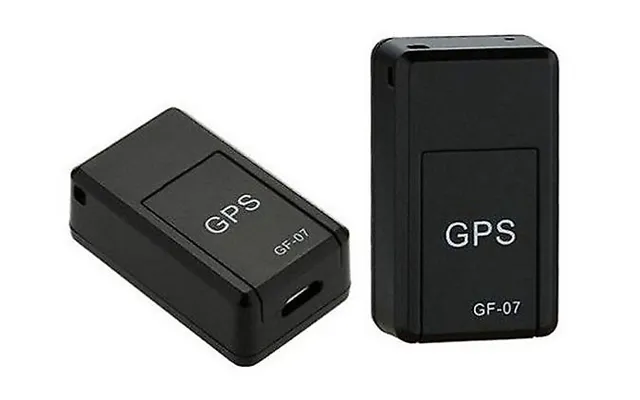
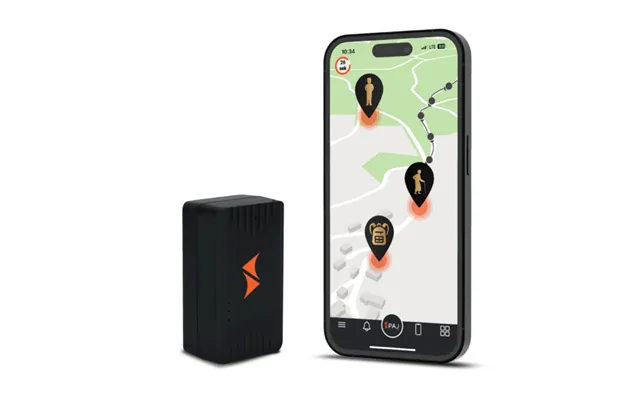
Want flexibility? Battery-powered trackers with magnetic mounts can attach to metal surfaces in a snap—think under a seat, in a trunk corner, or mounted inside a metal toolbox. Battery life can range from a few days of rapid updates to several weeks when set to periodic pings. They’re perfect for temporary monitoring, asset tracking, or swapping between vehicles. Look for rugged, weather-resistant enclosures and strong magnets that won’t budge on bumpy roads. To stretch runtime, many models let you choose update frequency or enable motion-activated tracking.
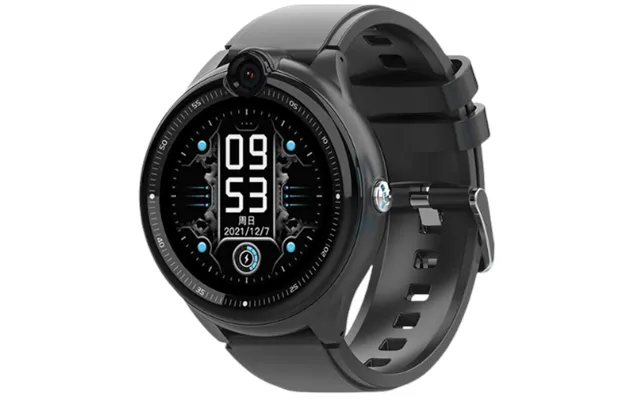
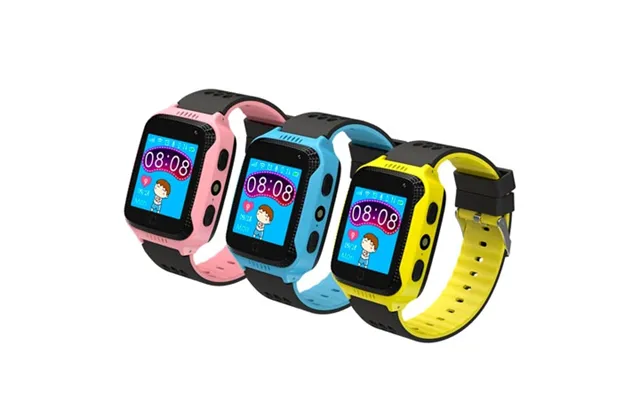
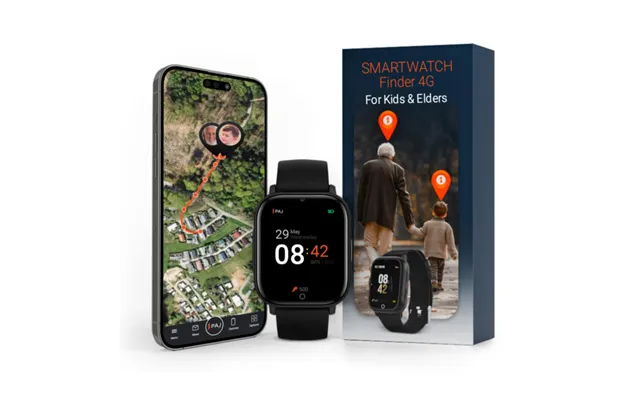
Wearable devices for pets and kids prioritize comfort and simplicity. For pets, a collar-mounted unit with a lightweight profile is key; for kids, look for soft bands or clip-on tags that won’t get in the way of play. Features such as live location, safe zones, and quick alerts matter most here. You don’t need heavy reports—just quick, accurate pings and a dependable app. Waterproof protection helps if your dog loves puddles or your child gets caught in the rain on the walk home.
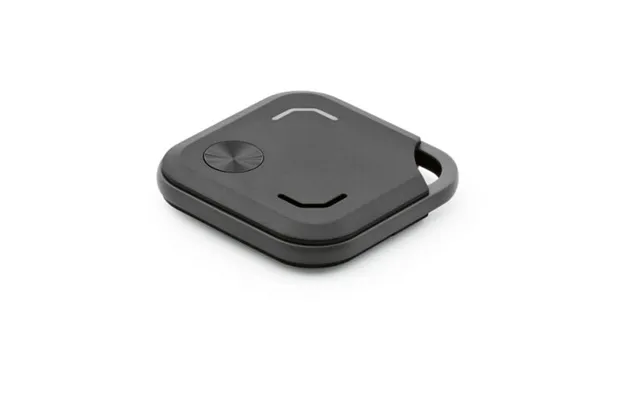
From bikes to camera gear, asset trackers give valuables a digital leash. These compact devices live in a bag, on a frame, or inside a crate and report in at intervals. For high-value items that may sit for long stretches, look for deep sleep modes and motion-triggered updates to conserve power. If you’re monitoring shipments, pick a model with strong indoor performance and clear status updates so you can see when a package arrives, stops, or deviates from the planned route.
Spec sheets can be overwhelming, so focus on the features that change your day-to-day experience. Ask yourself: Do I need second-by-second updates or periodic pings to conserve battery? Will I rely on geofencing and alerts, or do I just need a breadcrumb trail for trip history? Does the app make sense at a glance? The right answers depend on how you’ll actually use the device. When you scan a price list, match each feature to a real benefit. If you can’t explain how a spec helps you, it may not be worth paying extra for.
Update frequency is the heartbeat of a tracker. Faster updates mean smoother routes and sharper theft recovery, but they also consume more power. If you’re tracking a teen driver during a specific timeframe, rapid updates make sense. If you’re monitoring equipment that rarely moves, set longer intervals. Some models let you switch modes on the fly—live when you need it, low-power when you don’t. Flexibility here can save both battery and subscription costs over time.
Coverage is king. Many trackers rely on 4G LTE for speedy updates, with 3G or 2G fallback in some areas. For remote countryside adventures or off-grid travel, satellite-enabled devices can bridge the gap—but they often come with higher plans. Think about where you’ll use the tracker most. Urban routes call for robust cellular performance and fast handoffs, while rural use benefits from devices that handle weak signal gracefully. A quick look at coverage maps and user reviews can save you frustration later.
Battery estimates are just that—estimates. Real-life performance depends on update frequency, signal strength, and temperature. If a device promises a few weeks, expect that with conservative settings and strong signal. Many units offer power-saving tricks: motion-based wake, adjustable ping intervals, and deep sleep when stationary. If you don’t want to recharge often, choose a tracker known for lasting a week or more with a balanced update rate. Bonus points for units with battery alerts that ping your phone before things go dark.
Alerts are your early warning system. Useful ones include movement notifications, speeding alerts, entry/exit geofences, and ignition-on messages. The magic is in smart rules—link a geofence to a time window, or trigger a callout when a tracker moves after midnight. That way, your phone doesn’t become a noisy siren for routine events. When comparing models, check how easy it is to set and fine-tune these rules in the app. The clearer the interface, the faster you’ll dial in alerts you actually use.
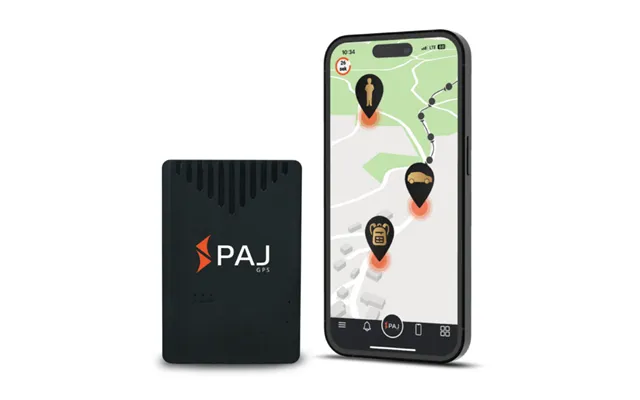
It’s easy to overlook the app, but it’s where you’ll live day to day. Look for clean maps, quick history playback, and one-tap sharing if you want to send live location to a partner or colleague. Custom reports matter for fleets—trip logs, idle time, and export options. For personal use, intuitive dashboards and reliable notifications beat complex charts you never open. If trial access is available, take it for a spin before you commit.
Setup can be as simple as “plug and go” or as involved as tucking wires behind panels. Your comfort level guides the choice. If you want no-fuss, OBD is ideal. If you care about stealth and can handle basic tools, hardwiring pays off. If flexibility rules, battery-powered magnetic units are dead simple. Consider where you’ll place the device, how you’ll conceal it, and how you’ll recharge or service it. A few minutes of planning prevents headaches later.
Most OBD units are true DIY. Locate the port under the dash, plug in the device, pair the app, and you’re rolling. Battery-powered units are equally easy: charge, activate, stick in place, and set your alerts. Test geofences while the vehicle is parked, then again during a short drive, so you can confirm your settings and notifications are working exactly how you want.
Going the hardwire route? Plan your power source and ground, and mount the device where it can get a clear signal. Avoid pinching wires or placing the unit near heavy electronics that might cause interference. Use zip ties for clean routing, and take photos of your setup for future reference. If stealth is critical, consider pro installation so the unit is tucked in a location that’s hard to find.
With GPS trackers, there are usually two costs: the device itself and the ongoing data plan. Some budget devices look cheap up front but lock you into pricey monthly fees. Others cost a bit more initially but offer flexible plans or discounts for annual billing. On a comparison platform like ZoneOffer, you can filter by total cost to spot genuine value rather than just a low sticker price. Before you buy, decide how often you need updates and whether you want premium features like advanced reports or extended history.
Not all plans are created equal. Watch for activation costs, cancellation penalties, or fees for premium features such as second-by-second tracking or satellite messaging. If you only need periodic updates, a basic plan saves money without sacrificing utility. For fleets or high-security use, premium tiers can earn their keep through better data and analytics. The key is matching your plan to your real needs—paid extras you never use drain your budget quietly.
To make apples-to-apples comparisons, add the device price to twelve months of service, then consider any discounts for annual billing. If you plan to own the device for several years, estimate a two- or three-year total. A gadget that costs a bit more but halves the monthly bill might be the better deal by next summer. When you check a price list, jot down the yearly total for each model so your shortlist is grounded in real numbers, not marketing gloss.
It’s easy to get dazzled by specs, but real-life scenarios are where GPS trackers shine. Think about the problem you’re trying to solve, then map features to outcomes. Do you want accountability for a new driver, or fast recovery if your bike goes missing? Are you documenting mileage for tax records, or coordinating field crews? When in doubt, choose the simplest device that fulfills your must-haves. Less setup, less friction, more results.
Handing over car keys can be nerve-wracking. A tracker with speed alerts and trip history offers coaching moments without hovering. Set a geofence around school or work, and you’ll see punctuality patterns in a week. Use driving reports to talk calmly about hard braking or late-night trips. It’s not about “gotcha” moments; it’s about building safe habits and trust. Over time, you can dial back monitoring as confidence grows.
If your top priority is theft recovery, emphasize stealth and speed. Hardwired units hide better, while battery magnets can be placed creatively. Enable instant movement alerts, tighten refresh rates during suspicious activity, and consider backup power options. If the worst happens, fast, accurate pings turn chaos into a clear plan. Share location with law enforcement through the app, and keep a log of updates. The right setup can make the difference between a loss and a quick return.
For campers, hikers, and off-road explorers, a tracker is a lifeline. Pick a device with strong signal performance and offline-friendly maps. If you wander beyond cellular reach, satellite-enabled models keep a breadcrumb trail going. Battery life matters in the wild—choose conservative update rates and carry a power bank. Share a live link with family before you head out, and agree on check-in windows. Adventure is better when your loved ones aren’t worried.
Tracking brings responsibility. In most cases, you can track your own property or assets you control, but tracking someone without consent can cross legal lines. If you’re using GPS for employees, set a clear policy. If you’re monitoring a family member, have an honest conversation about why and how. Respectful, transparent use leads to better outcomes and fewer misunderstandings. Your data matters too—pick devices and apps that treat it carefully.
A good rule of thumb: if you own it or have explicit permission, you’re on safer ground. Secret tracking of people you don’t have a lawful reason to monitor can land you in trouble. When in doubt, seek guidance. For family or employee use, consent and clarity turn GPS from a surveillance tool into a safety and efficiency tool. Remember, trust is the foundation—tracking should strengthen it, not chip away at it.
Your tracker’s value depends on the data behind it. Look for secure logins, two-factor authentication, and reputable app developers with a track record of updates. Avoid sharing live links widely, and review app permissions on your phone. If you’re decommissioning a device, wipe it and remove access from your account. Small habits go a long way toward keeping your information safe.
Price lists can feel like alphabet soup, but you only need a few anchors. First, separate the device cost from the subscription cost. Second, note the update frequency included at each plan tier. Third, check coverage and whether any roaming or premium feature fees apply. Finally, scan user reviews for reliability and app quality. When you line up two or three contenders with these criteria, the right choice usually pops off the page.
Don’t sweat the buzzwords. Focus on signal performance, battery life at your preferred update rate, alert flexibility, and app ease. For vehicles, ignition detection and trip reports are huge. For personal safety, geofences and reliable notifications matter more than granular analytics. If a spec helps you solve your real problem faster, it’s valuable. If not, it’s just a shiny extra.
Watch for vague coverage claims, confusing plan charts, or apps that haven’t been updated in ages. If reviews mention frequent dropouts or delayed alerts, think twice. Be wary of rock-bottom offers that bury fees in fine print or lock essential features behind upgrade walls. A fair deal is clear about what you get—no guessing, no surprises.
Ready to choose? Start with your use case, pick the simplest device that fits, and confirm the total cost per year. Double-check coverage for where you live and travel. Make sure the app shows you what you want to see at a glance. If you’re on the fence between two models, go with the one that’s easier to install and maintain—future you will thank you. Comparison sites like ZoneOffer make it painless to scan popular offers and lock in value without hopping between dozens of tabs.
Can you install it easily? Does it refresh often enough? Is battery life realistic for you? Will the alerts keep you informed without overwhelming your phone? Do you understand the plan costs and any extras? If you answered “yes” across the board, you’re looking at a winner. Take a breath, place the order with your preferred retailer through the comparison results, and set aside a few minutes for first-time setup. You’ll be tracking with confidence in no time.
Popular offers aren’t just about the lowest price—they’re usually the sweet spot of features, reliability, and ongoing costs. When a device shows up repeatedly in top deal lists, it often means the user experience is solid and the plans are fair. Still, match every offer against your needs. A great camera on a phone is wasted if you never take photos; likewise, a pro-tier tracker is overkill if you just want occasional pings. Let the deals guide you, but let your real-life use decide.
Sales cycles matter. Many trackers see sharper discounts around seasonal events and major shopping weekends. If your need is urgent, grab a fair deal and move on—time saved is money saved. If you can wait a bit, set alerts on comparison pages and watch price trends. The best deal is the one that meets your needs at a price that lets you sleep easy.
GPS tracking devices have grown up. They’re smaller, smarter, and more affordable, with apps that actually make sense. Whether you’re safeguarding a vehicle, keeping family safe, or streamlining a small fleet, there’s a model that fits. Start with your goals, compare what matters, and keep total cost in view. With clear price lists and popular offers laid out side by side on a comparison platform like ZoneOffer, the right choice feels obvious—because it is. Pick the device that solves your real problem, set it up right, and enjoy the quiet confidence that comes from knowing where things stand.
| GPS Tracking Devices | Price | |
|---|---|---|
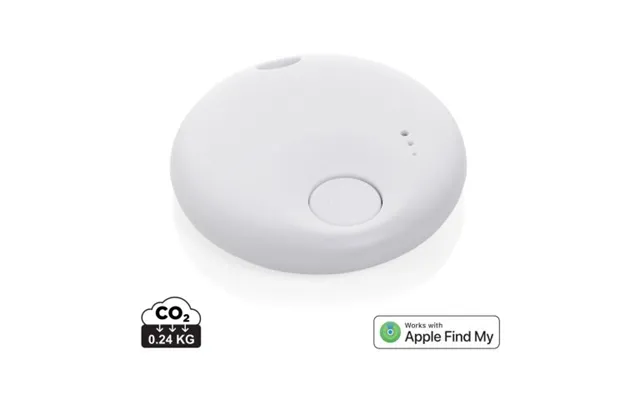
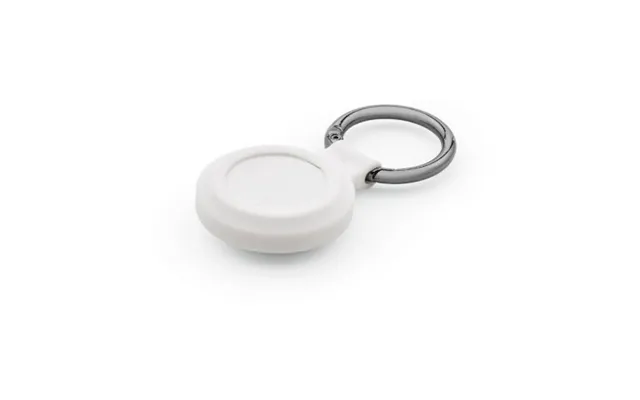
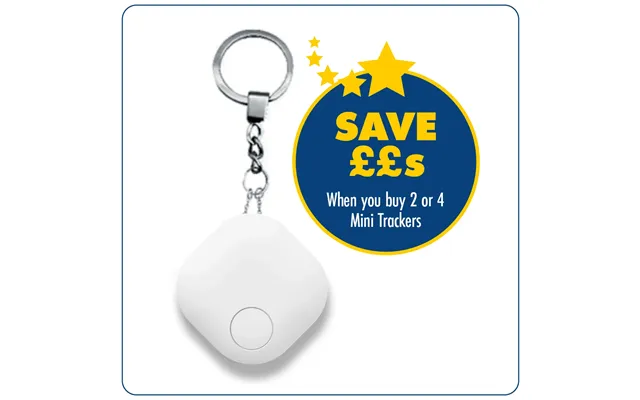
| Promotional Findmate Rcs Recycled Plastic Item Finder White Branded With Your Logo | £ 6,50 | |
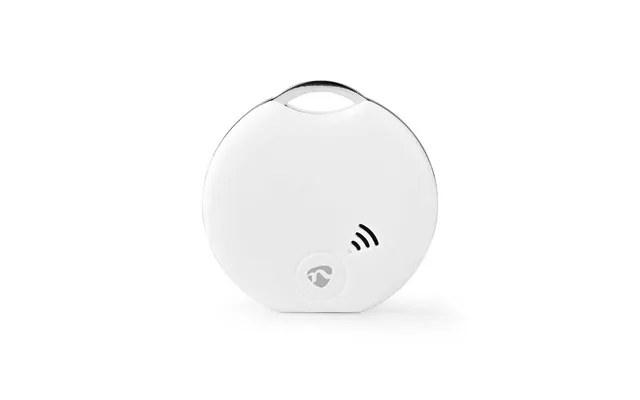
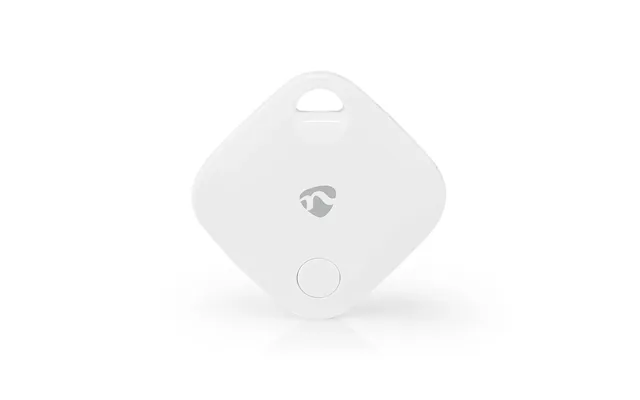
| Nedis Smartlife Smart Tag Gps Tracker Finder Anti Lost Alarm Bluetooth Key Dog Locator Child Mfi - 1 Pack | £ 19,59 | |
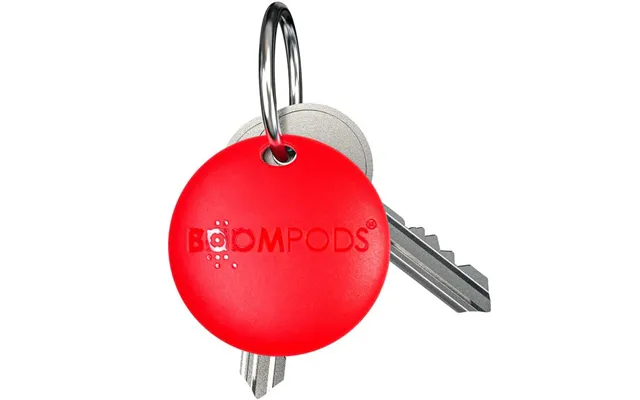
| Boompods Boomtag Item Finder Red | £ 22,60 | |
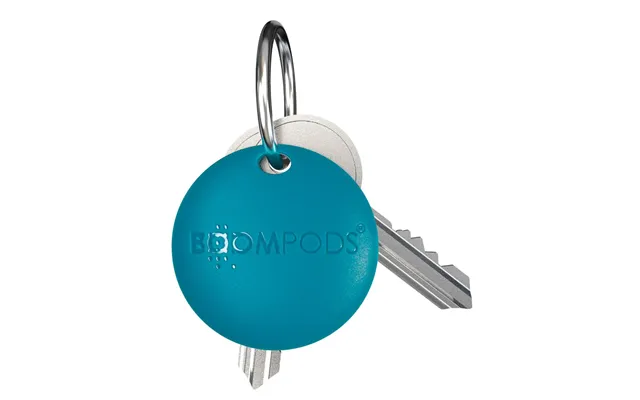
| Boompods Boomtag Item Finder Blue | £ 25,64 | |
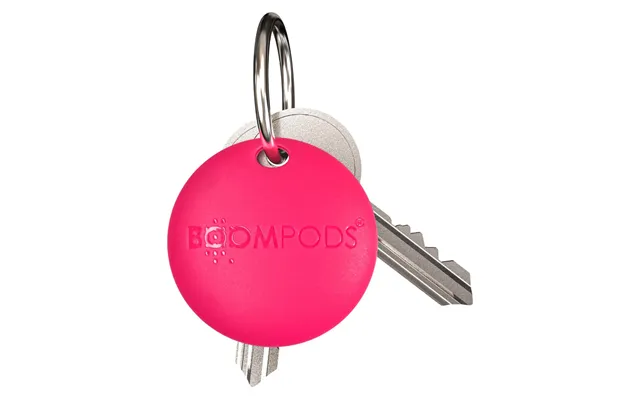
| Boompods Boomtag Item Finder Pink | £ 25,64 | |
| Boompods Tag Universal Finder Pink | £ 25,92 | |
| Samsung Galaxy Smarttag Item Finder Black | £ 32,64 | |
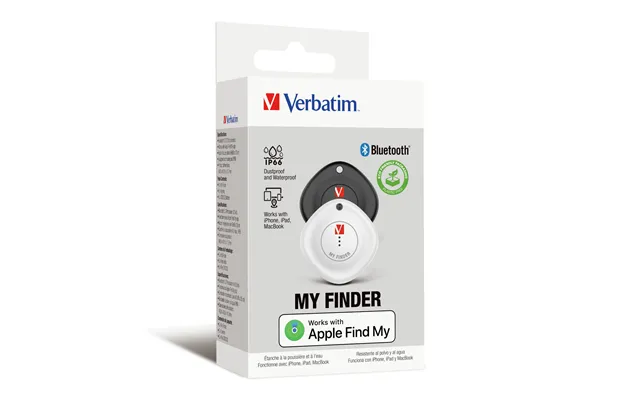
| Verbatim My Finder Card Bluetooth Item Finder 3 Pack Black Silver | £ 60,83 | |
| Gps Satellite Vehicle Tracker | £ 74,99 | |
| Coros Apex 4 42mm One Size Black Women | £ 365,- |