

Aquarium Gravel & 1strates price list
Last updated Monday, 19 Oct 2026





View 13 Offers




Loading...
Last updated Monday, 19 Oct 2026
Setting up a beautiful, healthy aquarium starts from the bottom up—quite literally. Aquarium “gravel” is a broad term hobbyists use for inert stones and sands that primarily provide aesthetics and a home for beneficial bacteria. “Substrates” often include those options, but can also refer to nutrient-rich or chemistry-altering materials that actively shape plant growth and water parameters. Why does this distinction matter? Because your choice influences everything from fish comfort and plant health to water clarity and long-term maintenance. If you’re browsing price lists or comparing deals in the UK, you’ll see countless bags promising crystal water, lush plants, or vibrant colors. The trick is matching substrate type to your goal—low-maintenance display tank, high-growth planted tank, hardwater cichlid setup, or shrimp paradise—so you buy once and enjoy for years.
Inert gravel includes smooth pea gravel, natural quartz, and many epoxy-coated varieties. It doesn’t add nutrients or change pH and hardness, which makes it predictable, stable, and beginner-friendly. Bacteria colonize the surface area, helping your filter process waste. If you want a clean, classic look and easy vacuuming, inert gravel is a great pick. For community tanks with livebearers, tetras, or barbs, it’s a stress-free base that won’t mess with your water chemistry. Just remember: plants rely on nutrients, so if you go inert and still want greenery, use root tabs and water-column fertilizers to feed the roots and leaves without changing the substrate itself.
Active plant substrates, often volcanic or clay-based, are designed to fuel growth and stabilize parameters that plants love. These products may gently lower pH, soften the water, and supply trace elements, giving roots a nutrient buffet from day one. They’re a favorite for aquascapers aiming for carpeting plants, red stems, and thriving root systems. The trade-off? Active substrates usually cost more per pound than basic gravel and need a gentler touch when vacuuming. Still, if you dream of a lush underwater garden, they can save time and guesswork by providing a foundation plants can immediately tap into.
Think of substrate as both foundation and life support. It houses beneficial bacteria that turn fish waste into less harmful compounds, keeping water quality steady. The grain size and shape determine how easily detritus gets trapped and how well you can clean it. For planted tanks, the substrate becomes the pantry—roots dig in for nutrients and stability. Some substrates also act like a buffer, nudging pH up or down. That’s a game-changer for species-sensitive setups, like shrimp that prefer slightly lower pH or African cichlids that thrive in higher pH and hardness. Get the substrate right, and your fish show better color, your plants root deeper, and your water stays clearer with less effort.
Water chemistry can be your best friend or your biggest head-scratcher. Crushed coral and aragonite sand slowly dissolve, raising pH and hardness—perfect for African rift lake cichlids or marine fish that crave mineral-rich water. On the flip side, many plant-focused soils softly lower pH and reduce hardness, creating conditions that help certain plants and shrimp species thrive. Don’t want your substrate touching pH at all? Stick with inert gravel or sand. That’s the beauty of choice: you set the tone from the ground up, and your fish and plants reward you with health and color.
Imagine walking barefoot on smooth pebbles versus sharp grit. Bottom dwellers like corydoras, loaches, and kuhli eels experience that difference daily. Finely rounded gravel or soft sand lets them forage without injury. Sifters and burrowers behave naturally when the substrate suits their lifestyle, which means you get to witness more authentic, relaxed behavior. Pick a gentle grain for bottom-loving species, and you’ll see them glide, dig, and sift with confidence.
A quick scroll through UK comparison listings reveals a rainbow of gravel choices. But beyond color, consider grain size, smoothness, and cleanliness out of the bag. Natural pea gravel looks timeless, doesn’t compact, and is easy to vacuum. Coated gravels come in big, bold colors or stealthy black and can make fish colors pop. Fine sand can look like a minimalist beach but demands gentler cleaning. Your décor, lighting, and fish all play a role in deciding what’s best for the long haul.
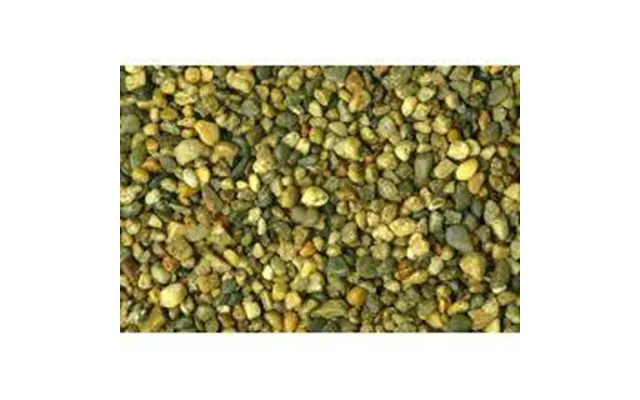
Smooth pea gravel remains a staple for its natural vibe and friendly price point. Its rounded shape protects barbels and fins and pairs well with stones and wood. It’s also forgiving during maintenance—detritus sits on top rather than plunging deep, so a quick hover with a gravel vac picks it up easily. For community tanks, it’s a classic that never looks dated and rarely needs special handling.
Want a dramatic scape? Coated gravels, especially deep black, can spotlight neon fish and bring out plant greens and reds. Modern coatings are designed to be aquarium safe when used as directed, but always rinse until water runs clear to remove dust. Colored options can give playful themes or sleek, contemporary looks. The key is choosing rounded, smooth grains that are friendly to bottom dwellers and won’t chip under typical maintenance.
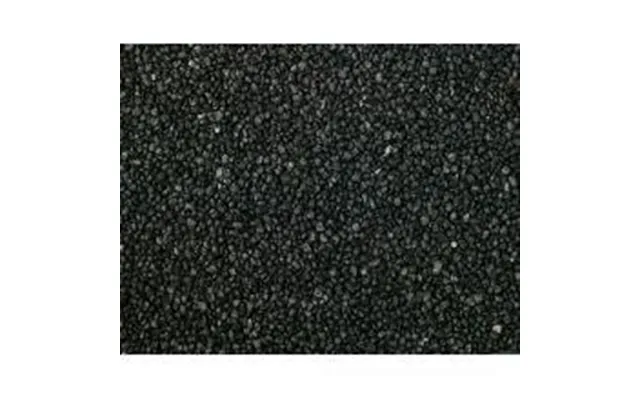
If you’re after a dark, velvety floor without going full plant soil, several black sands and fine gravels deliver the aesthetic with easier maintenance than ultra-fine powders. Look for aquarium-labeled products with smooth grains. With any sand, direct your filter outflow across the surface and vacuum gently so you don’t remove too much substrate. Dark bases hide detritus well, but don’t let that fool you—regular cleaning keeps the ecosystem humming.
For aquascapers and anyone who wants real growth, plant-focused substrates are the shortcut to success. They provide the root structure and nutrients that transform “just rocks and stems” into a living landscape. When browsing UK price lists, you’ll see popular names again and again because they’ve earned trust through stable performance, vibrant growth, and predictable behavior in a range of setups.
Fluval Stratum is a lightweight, porous volcanic granule with a reputation for encouraging strong root development while gently lowering pH. Many aquarists love it for planted community tanks and freshwater shrimp setups because it creates a stable, slightly acidic environment where delicate species feel at home. Its texture lets roots spread out quickly, and its dark tone showcases leaf color. Just pour carefully—it’s light—and top off slowly to avoid clouding during the first fill.
Seachem Flourite is a porous, mineral-rich clay gravel that lasts indefinitely without breaking down. It doesn’t typically alter pH, making it great if you want a nutrient-supportive bed without chemistry surprises. Flourite Black is a fan favorite for contrast against green plants and colorful fish. Pre-rinse thoroughly to reduce dust, then plant heavily from day one for a lush look that fills in fast.
Eco-Complete is a volcanic substrate with a blend of minerals and a surface structure that’s friendly to beneficial bacteria. It’s often sold pre-rinsed, which can save time, and its granule size is snug for rooting stems while still vacuum-friendly. As with most plant-ready substrates, go light with vacuuming in planted zones and rely more on gentle swirling to lift debris into your filter intake during water changes.
Not every tank needs the same “dirt.” Species with unique needs can benefit from substrates tailored to their biology. Whether you’re boosting pH for African cichlids, softening conditions for shrimp, or building a base for a future reef, choosing the right material can save you from dosing cocktails and endless tinkering.
These are the go-to options when you want to raise hardness and pH. African rift lake cichlids appreciate mineral-rich water that reflects their native environments, and aragonite delivers that steadily over time. It also pairs well with hardscape styles that feature limestone and textured rock. In brackish or marine contexts, aragonite is practically a staple, giving you a stable foundation that supports the chemistry corals and inverts require.
Freshwater shrimp like caridina often thrive in slightly acidic water with stable parameters. Many shrimp soils gently lower pH and provide a fine-grain surface where tiny legs and delicate feelers can move comfortably. Combine that with leaf litter and mosses, and you’ve got a shrimp playground. Keep the substrate bed modest in depth to avoid compacting, and limit deep vacuuming—light surface cleaning and steady water changes maintain clarity without disrupting the substrate’s buffering action.
There’s a simple way to estimate: decide on your target depth, then calculate volume by tank footprint. For fish-only tanks, 1 to 2 inches works well. For planted tanks, 2 to 3 inches gives roots room to anchor. As a ballpark, many aquarists use about 1 pound of substrate per gallon for roughly 1 inch of coverage in typical rectangular tanks. Want a slope from front to back? Plan a little extra so you can build a subtle rise that adds depth to your scape and helps debris roll forward for easier cleaning.
In a standard 10-gallon tank, about 10 to 20 pounds usually covers 1 to 2 inches. A 20-gallon long can take around 20 to 40 pounds for that same depth range. A 40-gallon breeder might need roughly 40 to 80 pounds. These are estimates, of course—grain shape, density, and how much you slope the bed all matter. If you’re creating terraces or plant-heavy zones, add a few extra pounds so you’re not stuck with a bare spot mid-scape.
Nothing kills the vibe faster than a milky cloud after your first fill. Rinse inert gravels and sands until the water runs clear. Some plant substrates don’t require rinsing; follow the product guidance and handle gently to avoid crushing granules. Place your hardscape first, then pour substrate around it so rocks don’t sink later. To prevent a dust storm during the fill, lay a plastic bag or plate on the substrate and pour water slowly onto it, letting the flow spill out like a gentle fountain. You’ll thank yourself when the water clears in hours instead of days.
First, pre-rinse inert materials thoroughly. Second, set your base shape—a thin layer up front and a gradual slope toward the back adds instant depth. Third, position rocks and wood firmly so they’re braced by the substrate. Fourth, plant focal species early to lock in your layout. Fifth, fill slowly over a plate or bag and run mechanical filtration with fresh media to trap fines. Finally, expect a little haze; it settles fast with patience and good flow.
Substrate care isn’t complicated when you match the tool to the material. With gravel, use a siphon to hover over the surface and gently churn the top layer, pulling up trapped debris without deep mining. With sand and active soils, go lighter—swirl the surface to lift mulm into suspension and let your filter grab it. Keep your feeding measured so excess food doesn’t rot in the bed. Balance your light and nutrients to avoid algae blooms, and lean on fast-growing plants to outcompete nuisance algae for resources.
Deep, compacted areas can trap gases that don’t smell like roses. Prevent that by keeping bed depth reasonable, gently stirring low-flow zones, and planting rooted species that naturally aerate the substrate. Some aquarists enlist Malaysian trumpet snails to churn sand safely. The goal isn’t to constantly disturb the bed—just to keep it alive, porous, and oxygen-friendly.
Substrate color is your stage. Dark bases make neon tetras, rasboras, and shrimp glow like living LEDs, while pale sands evoke riverbanks and coastal shallows. Think about your background and hardscape—contrasts make shapes stand out on camera. Want your fish to feel secure? Darker substrates often reduce glare and can bring out bolder behavior. Love the look of white sand? It’s stunning under crisp lighting, just be prepared to clean more often since every speck shows. There’s no wrong answer—only the look that makes you smile when the lights come on.
Consider your fish’s native habitat and your room’s style. A black base with branchy wood screams “jungle stream,” while tan sand with rounded stones says “gentle riverbed.” If your fish are shy, darker tones with plant cover encourage exploration. If you’re showcasing rare rocks or sculptural wood, a minimalist substrate color helps those centerpieces shine without competing for attention.
Substrate is heavy, and prices can vary widely across UK retailers. Using a comparison platform helps you see current deals at a glance so you can pounce when prices dip. Watch for seasonal sales, bundle discounts, and multi-bag promotions—especially if you’re filling a large aquarium or building multiple tanks. Buying the right grain and depth from the start is the biggest money saver of all; it prevents costly do-overs and extra bags you won’t use. Keep an eye on reputable brands and check recent reviews for dust levels and consistency before you commit.
Long-standing names like Fluval, Seachem, and CaribSea tend to run periodic promotions, and those windows can shave a surprising amount off your total. If you see a favorite substrate at a strong price, grab enough to finish your layout and a little extra for future tweaks. Nothing is more frustrating than being two pounds short on aquascape day. Also, note color availability—popular shades like deep black often sell out first during sales.
Choosing the wrong grain size for your fish is a classic misstep—avoid rough or sharp gravel with barbels and delicate fins. Mixing active soils with coral-based media in the same bed creates a chemistry tug-of-war; pick one strategy and stick to it. Over-deep beds compact and risk anaerobic zones, while under-rinsed inert gravel can cloud water for days. Finally, aggressive vacuuming in planted tanks uproots your hard work. Dial in the technique that matches your material, and maintenance becomes quick and painless.
From budget-friendly pea gravel to high-performance plant soils and mineral-boosting aragonite, the “right” substrate is the one that supports your vision and your livestock. Start with your goal—lush scape, cichlid showpiece, shrimp colony, or easy community tank—then choose a material that naturally supports that outcome. Plan your depth, buy the correct amount, and set it with care so your first fill is smooth and your maintenance is simple. If you’re comparing options in the UK, leverage a price comparison platform to track popular brands and spot genuine deals. Get the foundation right, and everything above it—plants, fish, and the view from your sofa—falls into place.