

Pet Door Accessories price list
Last updated Monday, 19 Oct 2026
| Pet Door Accessories | Price |
|---|---|
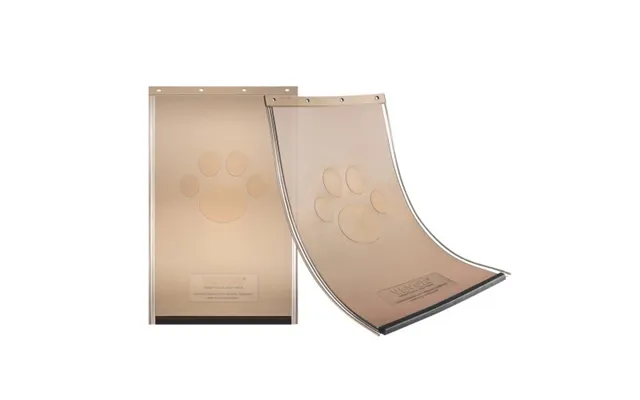
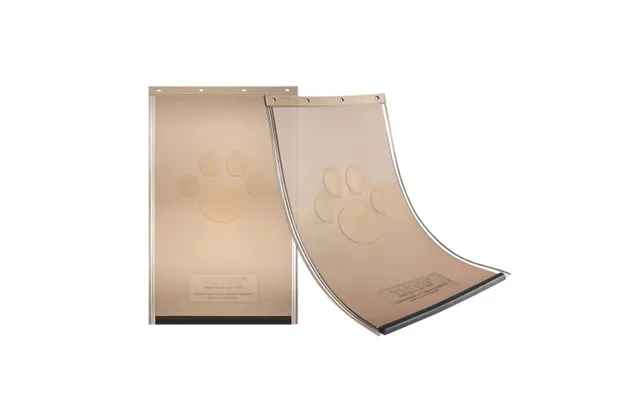
| Vevor Pet Door Replacement Flap - Compatible With Vevor Flap Pet Doors | £9.90 |
| Vevor Pet Door Replacement Flap - Compatible With Vevor Flap Pet Doors | £11.90 |



View 4 Offers
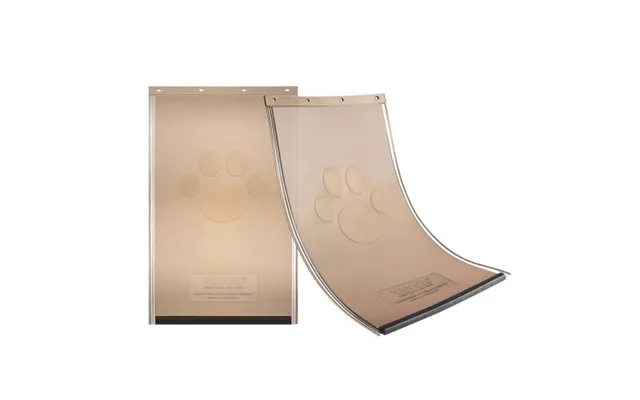
Loading...
Last updated Monday, 19 Oct 2026
| Pet Door Accessories | Price |
|---|---|
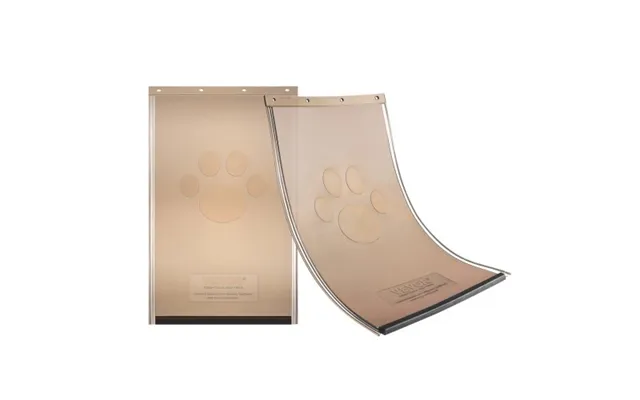
| Vevor Pet Door Replacement Flap - Compatible With Vevor Flap Pet Doors | £9.90 |
| Vevor Pet Door Replacement Flap - Compatible With Vevor Flap Pet Doors | £11.90 |
Pet door accessories might look like small add-ons, but they can make a big difference in your daily routine. The right kit keeps your home snug, your pet safe, and your wallet happier. Whether you’re upgrading a tired flap, enhancing security with smart tech, or sealing pesky drafts, accessories turn a basic pet door into a tailored solution for your home and your furry companion. And if you love saving time and money, you’ll appreciate how smart shopping and product pairing can stretch your budget further.
From replacement flaps to microchip tags, there’s a surprising range of accessories built to fit doors, walls, and even sliding glass panels. It’s easy to get overwhelmed, so think of accessories in a few buckets: weatherproofing, security, sizing and fit, installation, and smart features. Browsing a comparison platform like ZoneOffer helps you see what’s out there, compare features side by side, and grab a deal across a range of retailers—all without impulse-buying the wrong gear.
The most common accessory is a replacement flap. Over time, flaps can warp, scratch, or stiffen, which makes them loud, draughty, and less inviting for your pet. A fresh flap restores quiet operation and better sealing. Look for soft yet sturdy materials that swing smoothly and sit flush when closed. If your current flap catches or stays ajar, a like-for-like replacement—or an upgraded model with magnetic closure—can instantly improve comfort. Measure the opening and thickness of your existing pet door in inches to ensure a precise fit before you buy.
Don’t let a chilly breeze sneak in around your pet door. Weatherproofing kits add layers of protection with brush seals, magnetic strips, and foam gaskets to reduce air leaks. For homes in windy locations, a draft stopper or double-flap enhancement tightens things up even more. Think of these as your pet door’s winter coat: snug, practical, and great for energy savings. If you feel cold air when you pass by the door, or the flap rattles in strong wind, a weatherproofing kit pays off quickly.
If your pet door sits in a thick door or a wall, tunnel extensions and liners make the passage safe and tidy. They bridge the gap so your pet isn’t squeezing through rough edges or exposed cavities. These parts typically snap or screw into place, creating a smooth corridor from inside to outside. Measure your wall thickness in inches and choose an extension that leaves a clean, flush finish. A well-fitted tunnel also helps control drafts and prevents moisture from creeping into the wall space.
Security accessories are all about control. Mechanical locks let you set in-only, out-only, or fully locked modes, while reinforced covers add a solid barrier when you’re away. For added peace of mind, choose thick, impact-resistant covers that slide or clip into place and resist prying. If you have a larger dog door, a robust security panel can act like a mini door-within-a-door, turning your pet entrance into a tougher target. It’s a simple layer of defense that complements your home’s existing security.
Selective entry is a game changer if you’re fending off neighborhood critters. Accessories like RFID collar keys, microchip recognition frames, and magnet tags ensure only your pet can pass. Many modern systems read your pet’s microchip, while others rely on a lightweight tag clipped to the collar. When comparing options, check detection range, response speed, and how reliably the mechanism seals after each pass. A quick, quiet lock reduces heat loss and keeps curious visitors firmly outside.
Installing a pet door can be simple—provided you have the right adapters. Universal adapters help fit curved doors, panels, or unusual materials. You’ll also find mounting templates, screws, and trim sets that make cuts cleaner and edges safer. For sliding glass, check for panel inserts built to sit snugly within the track. And for thicker doors, extension rings maintain a rigid frame so the flap swings smoothly. Having the correct adapter upfront beats improvising mid-install every time.
Size is everything. A door that’s too small causes hesitation and shoulder bumps; too large, and you invite more drafts than you need. Your aim is a just-right opening that lets your pet stride through naturally, without crouching. Before you shop, take a few quick measurements and confirm your door, wall, or glass setup. Match the flap opening and tunnel depth in inches to your pet’s shoulder height and body width, and you’ll avoid misfits and returns.
Stand your pet naturally and measure from the floor to the top of the shoulder in inches. Add about 1 to 2 inches for comfortable clearance. Next, measure the widest part of the chest or hips, whichever is broader, and add roughly 1 inch. That’s your target flap size. If you have a growing pup, consider sizing up within reason. A flap that’s slightly taller than needed is better than one that’s too snug; it also keeps your pet from scraping or hesitating every time they pass through.
Different openings call for different accessories. For doors up to a standard thickness, most frames fit with minimal fuss. For thicker doors or walls, check the required tunnel length in inches and add extensions as needed. Installing through sliding glass? Look for a panel insert compatible with your track height and width, plus weatherstripping to seal the edges. The right adapter makes the install cleaner, safer, and more energy-efficient—no wobble, no gaps, no regrets.
Pet doors shouldn’t compromise security. The best accessories let your pet come and go while keeping unwanted guests outside. If you’ve ever worried about raccoons, foxes, or strays sneaking in, or you simply want more control at night, you’ve got reliable options ranging from timed locks to reinforced security covers.
Curfew timers automatically switch your door to in-only or locked modes at set times. That means your cat can head out for a late stroll but won’t bring a surprise friend back at 3 a.m. Smart locks take things further, pairing with selective entry tech and allowing quick changes via an app or control panel. If you’re away for the weekend, a smart lock plus a sturdy security cover makes a solid one-two combo for peace of mind.
Blustery wind and sideways rain? Your pet door can handle it—if it’s dressed properly. Weatherproofing accessories stop drafts, help maintain indoor comfort, and protect from water intrusion. Over time, seals wear down, so a tune-up with fresh components saves energy and reduces that constant whoosh of cold air.
Brush seals reduce gaps around the flap, while magnets help it fall shut quickly after your pet passes through. Some kits add a second flap to create an insulating air pocket, acting like a mini vestibule. If your current flap looks bent or warped, swap it out for a newer, thicker model with stronger magnets. A small upgrade often yields a big difference in comfort, especially in rooms where you feel a noticeable draft near the door.
Smart add-ons turn a basic pet door into a connected convenience. Whether you want to track your pet’s comings and goings or adjust settings from your phone, there’s an accessory for that. You don’t need a full smart-home overhaul—just a compatible module and a steady Wi‑Fi connection.
App-enabled controllers let you lock, unlock, and set curfews from anywhere. Some track each entry and exit, building a timeline that can help you spot patterns. Is your cat sneaking out before dawn? Are afternoon zoomies happening daily? Activity logs reveal the truth, and you can tweak settings accordingly. If multiple pets share the door, look for systems that recognize individual tags and show who went through and when.
Plenty of pet door accessories are straightforward to fit with basic tools. Still, for wall tunnels, sliding glass panels, or high-security covers, hiring a pro can be money well spent. Either way, having the right gear and a clear plan prevents headaches and keeps your home looking tidy.
Most installs rely on a tape measure, a marker, and a saw suited to your material—often a jigsaw for wood or a specialized blade for tougher panels. Painter’s tape helps keep cut lines neat, while a level ensures the door sits straight. Don’t forget safety glasses and a drop cloth. Accessories like trim kits and edge guards give your finished install that “factory fit” look, even if you did it all in a single afternoon.
A smart accessory plan avoids overspend while delivering the features you need. Start by listing your must-haves—maybe it’s weatherproofing and a microchip lock—then add “nice-to-haves” if the price is right. Comparison platforms help you spot genuine discounts and avoid paying full price when a sale is just around the corner.
Prices can vary widely between retailers, especially during seasonal promotions. Use a comparison site to scan multiple offers at once and check if bundles beat buying parts individually. Sometimes a “complete kit” with a flap, security panel, and weather seals costs less than piecing it together. Look at warranty terms, too—an accessory that lasts longer is the real bargain, even if it’s not the cheapest on the page.
A few minutes of upkeep pays back in quieter operation, better insulation, and a longer lifespan for your accessories. Make it a habit to check seals and screws, wipe away grime, and ensure the flap closes flush every time. Small tweaks keep everything humming—and keep critters and drafts outside where they belong.
Give the flap and seals a quick wipe every couple of weeks, especially if you live near sand or silt. Check magnets and brush strips for wear. If the flap looks cloudy, cracked, or warped, it’s likely time to swap it out. Heavy use or extreme weather might mean replacements every year or two; lighter use can stretch much longer. Keep a spare flap on hand if your model is prone to scuffs or if you’ve got a high-traffic household of energetic paws.
Efficient accessories reduce drafts and help you use less energy. At the same time, thoughtful choices can make life easier for senior pets and those with mobility challenges. You don’t need to compromise; you can boost comfort, save on bills, and keep your pet confident and independent.
Double-flap systems and tight brush seals block cold air, while magnetic closures stop wind from pushing the flap open. For older pets, consider a flap with a lower rise so they don’t have to step up too high. A small ramp outside can also help dogs with stiff joints. Aim for a flap that’s tall enough to reduce crouching and wide enough to avoid shoulder bumps—think generous clearance in both dimensions so each pass is smooth and strain-free.
Even the best accessory won’t shine if your pet is unsure about using the door. Keep it positive and low-pressure. Prop the flap open at first, reward every pass, and gradually let the flap fall closed. Some training accessories, like gentle door bells or clickers, speed up the process. With consistency, most pets become door pros in a couple of days.
Short, cheerful sessions beat marathon training. Use high-value treats and plenty of praise. If your pet startles at the flap noise, hold it steady so it doesn’t slap in the wind, then let it close softly a few times. For selective-entry doors, introduce the tag or microchip gradually so the click and lock sounds become familiar. Little by little, you’ll see the lightbulb moment—tail up, head through, and freedom on the other side.
Most pet door frustrations come from sizing errors, flimsy seals, or skipping the right adapter. Don’t eyeball measurements; take them carefully in inches. Avoid installing on a warped surface without leveling first, or you’ll get gaps that whistles of wind will love. And don’t forget security: a basic cover is inexpensive and adds reassuring protection when you’re away.
If you’ve replaced flaps repeatedly and still fight drafts, it might be time to upgrade the frame and seal system. Likewise, if critters keep sniffing around, consider stepping up to microchip selective entry and pairing it with a timed lock. A slightly bigger investment can solve the root problem and save you from smaller fixes that never quite stick.
Before you buy, confirm the opening size in inches, tunnel depth, and material compatibility. Decide if you want selective entry, a curfew timer, or app control. Add weatherproofing if you feel a noticeable draft today. If installing in a wall or sliding glass, budget for the proper adapter or panel. Finally, compare offers—bundles with flaps, seals, and a security cover often deliver the best value and a cleaner finish from day one.
Pet door accessories turn a simple opening into a polished, secure, and energy‑smart feature your whole household will appreciate. With the right mix—replacement flaps for smooth swings, tight seals for warmth, selective entry for security, and smart controls for convenience—you’ll give your pet independence without sacrificing comfort or peace of mind. Measure carefully, match accessories to your setup, and compare prices to stretch your budget. A few smart choices today will keep tails wagging—and drafts at bay—for years.