

Pet Doors price list
Last updated Monday, 19 Oct 2026




View 13 Offers



Loading...
Last updated Monday, 19 Oct 2026
Ever felt like a full-time doorman for your pet? A well-chosen pet door ends the constant in-and-out routine, gives your cat or dog freedom, and reduces accidents, scratching, or barking at the back door. Whether you’re eyeing a classic flap or a smart microchip door, a good installation blends convenience with home security and energy efficiency. The result? A calmer pet, fewer interruptions, and a home that flows.
Most pets thrive when they can explore the garden, sunbathe, or stretch their legs on their own schedule. A pet door allows that independence without you needing to pause meetings, family meals, or movie night. It’s also a huge help for senior pets or young pups that need frequent bathroom breaks. With the right size and placement, pets learn fast—and you gain back those minutes you never realized you were losing.
Worried about intruders, drafts, or neighboring critters? Modern pet doors address all these concerns with multi-point locks, microchip or RFID access control, and draft-stopping seals. You can set curfews, limit entry by pet, and reinforce the frame to deter tampering. Pick the right combination of size, lock type, and materials, and you’ll keep your home secure while giving your pet the independence they crave.
Pet doors have evolved well beyond the simple swinging flap. Today’s options target different needs—budget, energy savings, security, and smart home convenience. Let’s break down the main categories so you can hone in on the perfect match for your pet and property.
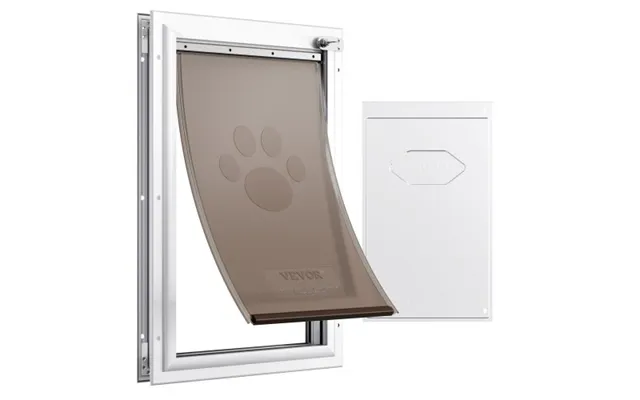
Manual flaps are the entry-level option: a durable panel that swings on a hinge and often includes a removable locking cover. They’re affordable, simple to install, and ideal for calm pets that won’t crash through at full speed. Look for sturdy hinges, a weatherproof flap, and a snug fit to reduce rattling. If you just need basic in-and-out access, a standard flap does the job without draining your budget.
Stepping up from manual designs, magnetic or RFID doors only unlock for a pet wearing the matching collar tag. It’s a smart deterrent against strays, while keeping installation straightforward. You’ll gain selective entry control without committing to app ecosystems or batteries with heavy power draw. For multi-pet homes, make sure extra tags are easy to add and inexpensive to replace.
Microchip doors read your pet’s implanted chip and unlock in a fraction of a second. Many models store dozens of IDs, making them perfect for multi-cat households. App-connected smart doors add schedules, curfews, and entry/exit logs you can check on your phone. If you want granular control—think nighttime lockouts, porch curfews, or alerts when your cat comes home—smart doors are the gold standard.
Size is the biggest make-or-break factor. A too-small flap can spook a pet and cause long-term avoidance, while an oversized door can invite drafts. Measure carefully and err on the side of comfort—especially for puppies expected to grow or older dogs who need extra clearance.
Ask your pet to stand tall, then measure the widest part of the shoulders and chest, and the height from the ground to the top of the shoulders. Next, measure from the floor to the pet’s belly to locate a comfortable step-over height. Aim to mount the flap so the top sits at least 1 to 2 inches above the shoulders. If your pet hunches when passing through a tight space, add a couple inches for a more relaxed posture.
While sizes vary by brand, you’ll commonly find small flaps around 6 x 6 inches for petite cats, medium flaps near 8 x 10 inches for average cats and small dogs, large flaps around 10 x 15 inches for medium breeds, and extra-large flaps near 12 x 20 inches for bigger dogs. Always compare your pet’s measurements to the cutout’s usable opening, not just the external frame size.
Have a mix of pets? Choose a flap that fits the largest pet comfortably while keeping the step-over low enough for smaller pets. If that balance seems tricky, consider a microchip cat door paired with a separate dog door. That way the cat stays selective and the dog enjoys a larger opening without compromises.
Britain’s weather can be unpredictable—sunny at noon, gusty by tea time. The right materials and insulation help you keep warmth inside and rain out, even when the wind picks up. This is where build quality pays dividends over the long haul.
High-grade plastic frames are light, budget-friendly, and often feature UV-resistant coatings to prevent brittleness. Aluminum frames bring added rigidity, making them a better choice for larger dogs or doors exposed to heavy use and rough play. If your pet is energetic or you’ve seen previous flaps warp or crack, aluminum can be worth the upgrade.
Double-flap doors create an insulating air pocket between two panels, cutting drafts dramatically. Some premium models add a magnetic or weighted bottom edge to keep the flaps sealed in windy weather. If your door faces prevailing winds or a particularly exposed spot, a double flap with a solid frame can make a noticeable difference in comfort and heating costs.
Brush strips and pliable seals cushion the flap and close off tiny gaps that leak air. They also dampen noise when the flap swings shut. Check your door’s seals seasonally and replace worn strips, as a fresh seal can instantly improve performance. For extra protection on stormy days, a snug locking cover works like a storm door for your pet flap.
Placement affects everything from convenience to energy efficiency. Think about pet traffic, prevailing winds, and the materials you’re cutting into. Each location has pros and cons, and choosing wisely up front saves effort later.
Most pet doors are designed for standard door installs. Wooden and uPVC doors are relatively straightforward to cut using a jigsaw and drill. Keep the step-over height comfortable and confirm the door’s thickness matches the pet door’s tunnel depth. If you’ve got decorative panels, position the flap to avoid cutting through raised sections that could compromise strength.
A wall installation routes traffic to exactly where you want it, often from a utility room or kitchen to the garden. You’ll cut from both sides to avoid crumbling the interior surface and use a tunnel extension to bridge the wall cavity. Expect to work with a hole size matching the flap plus a tunnel depth that can run several inches; measure your wall thickness before buying the kit so the tunnel reaches cleanly through.
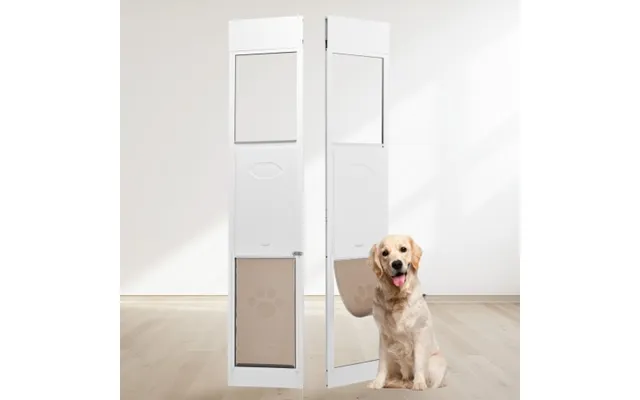
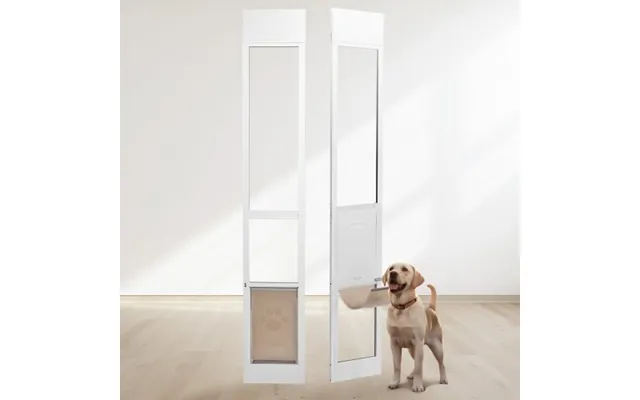
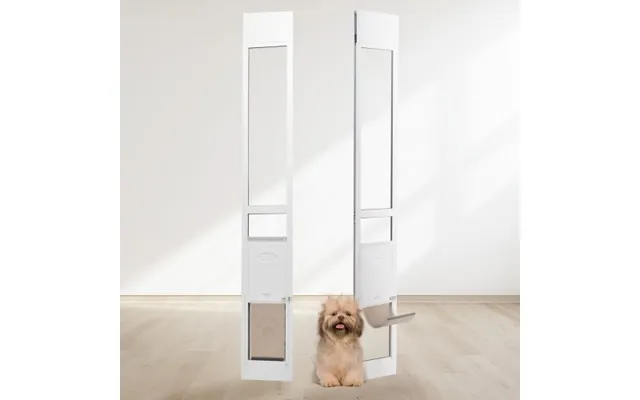
For patio doors, look for insert panels that fit in the sliding track and include a built-in flap. They can be an excellent non-permanent solution for renters, and many secure with a bar lock. For full-glass cat flaps, a professional glazier is recommended, because cutting toughened glass requires specialized skills and pre-tempered panels.
No one wants surprise visitors. Security isn’t just about locks; it’s about layered defenses that suit your neighborhood and your pets’ habits. From mechanical features to smart permissions, consider how you want to control traffic and when.
Classic 4-way locks let you choose: in-only, out-only, fully locked, or fully open. That’s handy for keeping your cat in overnight or preventing early-morning garden escapades. Smart doors take this further with timed curfews, so your door automatically switches modes without you hovering over it.
Selective entry tech like microchip or RFID ensures only registered pets can enter. Some doors also resist “fishing” by pests trying to lift the flap from the outside. If wildlife is a concern, prioritize a door that unlocks only when your pet is already close to the sensor, minimizing chances of tailgaters sneaking in.
Look for robust frames with metal screws and a tight-fitting cover for when you’re away. Covers not only block entry but also add insulation against heavy winds. On larger dog doors, reinforced panels reduce flexing and stand up to daily sprints without loosening over time.
If you’re handy with basic tools, installing a pet door in a wooden or uPVC door can be a satisfying afternoon project. Wall and glass installs, however, raise the stakes. Choose the path that keeps your home sealed, square, and safe.
For most door installs, you’ll need a drill with a 3/8 inch bit for pilot holes, a jigsaw with a fine-tooth blade, a tape measure, and a level. Some kits suggest specific hole saw sizes—always check the template—but you’ll usually cut along a rectangular guide. Have weatherproof sealant ready to fill gaps no wider than about 1/4 inch around the frame.
Start by taping the manufacturer’s template to the door at the right height. Drill pilot holes at the template corners, then cut between holes with a jigsaw, staying square to avoid widening the hole. Dry-fit the frame and tunnel, then screw the inner and outer frames together, keeping them snug but not over-tightened. Finally, add sealant as needed, snap on covers, and test the flap a few times so your pet hears the sound and gets curious.
Cutting into toughened glass or structural panels is not a DIY moment. If your door is metal-skinned, glass, or heavily decorative, hire a pro. A carpenter or glazier can keep the door’s integrity intact, ensure the flap sits level, and reduce the risk of drafts or leaks.
Most pets warm up quickly, but a gentle introduction makes all the difference. You’re teaching a new habit, so stay upbeat and reward small wins. Within a few days, many pets are zipping through like they’ve done it for years.
Prop the flap open at first and lure your pet through with treats or a favorite toy. Reward immediately when they pass through. Gradually lower the flap so it lightly brushes their back, teaching them the feel and sound of the door. Keep sessions short and cheerful, stopping on a success rather than pushing through frustration.
Some flaps snap shut with a click. If that startles your pet, dampen the noise briefly with a small strip of painter’s tape along the magnet or edge—just enough to soften the sound while training. Remove the tape once your pet is confident. For especially timid cats, hold the flap as they pass the first few times so noise is minimal.
Teach one pet at a time. Confident pets become great role models, but give shy pets their own sessions to avoid being rushed. If you’ve got a microchip door, register all pets that should have access, and double-check that each pet triggers the lock quickly before you switch to full-time use.
If you love data, automation, and control, smart pet doors are a delight. They’re especially useful for cat owners who want to keep strays out and set curfews without getting up at midnight. Dog owners benefit too, with notifications when the dog heads out or comes back in from the garden.
Microchip doors store multiple IDs, letting you whitelist exactly which pets can enter. This keeps neighborhood freeloaders out of the kitchen. If your pet isn’t chipped, many systems also accept lightweight collar tags—handy for dogs and for cats without implants.
Some smart doors pair with your phone for instant alerts when your pet comes or goes. You can set a schedule—for example, unlocked from dawn until evening—and the door enforces it automatically. Usage logs reveal patterns too: if your cat’s late-night garden adventures spike, you’ll see it and adjust curfews as needed.
Battery-powered doors keep wiring simple. Expect months of typical use on fresh batteries, depending on how many pets and how frequently they pass through. Check for low-battery alerts and consider rechargeable cells to keep running costs down. If you prefer constant power, look for a model with an adapter option and route the cable neatly along the frame.
Small accessories can extend the life of your pet door and keep performance high. From tunnel extensions to fresh seals, add-ons are inexpensive upgrades that pay off every windy weekend.
For thick walls, tunnel extensions bridge the gap cleanly so your pet isn’t squeezing through rough edges. A locking weather cover adds a second barrier on stormy days and when you’re away, improving security and insulation in one move.
Flaps and seals wear out over time, especially with energetic dogs. Replacement flaps restore clarity and flexibility while fresh brush strips quiet the closing sound and block drafts. Keep spares on hand so you’re never stuck with a cracked flap on a blustery weekend.
Want an extra nudge on security? Some owners add a small entry chime or mat-based alarm that pings when the flap swings at odd hours. A scratch-resistant floor mat inside and outside the door also helps catch muddy paws, sparing your carpet and saving cleanup time.
Pricing ranges widely depending on size, materials, and tech. If you’re scanning popular offers or browsing a price list across different sellers, these ballpark ranges help set expectations. Remember, paying a little more for the right features can save money on heating and replacements later.
Basic manual flaps for cats and small dogs start at very accessible prices. You’ll get a simple frame, a single flap, and perhaps a slide-in cover. For light use and mild exposure, these offer strong value—especially if you’re testing whether a pet door fits your routine.
In the middle tier you’ll find sturdier frames, better seals, magnetic closures, and sometimes double-flap designs that handle breezy back gardens more gracefully. Expect longer lifespans and fewer rattles, plus nicer finishes that blend with modern doors and décor.
Premium models include aluminum frames, reinforced panels, microchip access, app control, and serious insulation. If you want selective entry, curfews, and solid weather performance—especially for larger dogs—this category delivers. The initial investment buys peace of mind and lower long-term maintenance.
A few minutes every month keeps your pet door working like new. Most fixes are simple, and regular care extends the life of the flap, seals, and frame so you don’t face midwinter surprises.
Wipe down the flap with a mild cleaner and a soft cloth, clearing grit from the hinges and magnets. If the hinge squeaks, a tiny dab of silicone-safe lubricant helps, but avoid anything that attracts dust. Clear dirt from brush strips so they rebound fully after each pass.
Feeling a chill? Check for gaps bigger than about 1/8 inch around the frame and reseal with weatherproof caulk. If the flap rattles, tighten the frame screws gently—over-tightening can warp plastic frames. Replacing a tired magnet or seal can transform performance in minutes.
For smart doors, review your registered pet list occasionally, especially after vet visits or if you adopt a new pet. If a chip reading seems inconsistent, replace the batteries and clean the sensor area. Most issues vanish once power is fresh and the lens is clear.
A great pet door blends freedom for your pet with security, weather protection, and a tidy look that suits your home. Start by measuring carefully, choose the right lock technology for your neighborhood, and match materials to your climate exposure. From basic flaps to microchip-controlled marvels, the best choice fits your pet’s size and your daily rhythm. When you’re ready to buy, compare popular offers across multiple sellers and check a price list to weigh features against budget. With the right pick and a clean install, you’ll wonder how you ever lived without one.