
Lubrication Hoses price list
Last updated Friday, Sep 18, 2026




View 3 Offers
Loading...
Last updated Friday, Sep 18, 2026
If you’ve ever fought with a stubborn grease fitting or wrestled a heavy tool into a tight spot, you already know the value of a good lubrication hose. These flexible lines connect your grease gun or oil pump to the lubrication point, delivering grease or oil precisely where it’s needed—without leaks, mess, or wasted effort. In workshops, farms, garages, and factories, the right hose can make the difference between a quick, clean job and a frustrating, time-consuming chore.
Think equipment service days, vehicle maintenance, or industrial MRO tasks. A lubrication hose helps you reach awkward zerks, handle high pressure for chassis greasing, or feed oil to bearings and bushings. From DIY grease guns at home to heavy-duty lines feeding automatic systems, lubrication hoses are the unsung heroes that keep moving parts alive and humming.
Not all hoses are the same, and picking the right type can save you time and headaches. Whether you’re shopping for popular offers or scanning a price list, it helps to know the core categories at a glance.
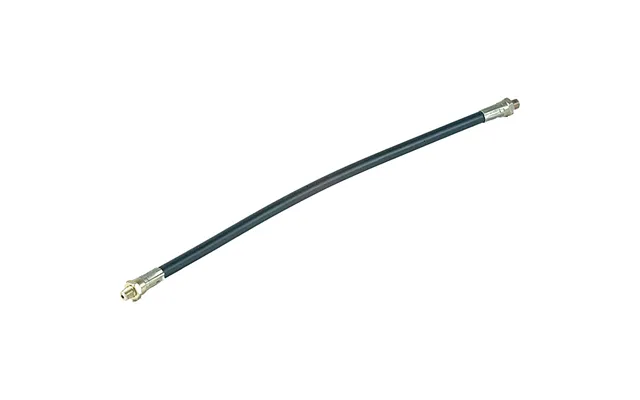
These short, flexible “whips” often run 12 in to 36 in long, making it easier to angle your grease gun into tight spaces. They’re usually steel-braided or reinforced rubber, built to withstand high pressures common in hand-powered, pneumatic, and battery grease guns.
For jobs that demand serious PSI, these hoses are constructed to handle extreme loads with a hefty safety margin. You’ll see ratings that exceed everyday needs, giving you confidence when fittings resist or when you’re working with long runs or powered guns.
When you’re feeding oil to a reservoir or lubricating a chain, you might opt for a hose optimized for oil flow rather than maximum pressure. These are great for less demanding pressure needs, but they still need quality materials that resist swelling, kinking, and abrasion.
Material choice affects flexibility, temperature tolerance, and overall lifespan. Pick wisely and you’ll feel the difference the first time you squeeze the trigger.
Rubber and nitrile hoses offer a balance of flexibility and strength. Add steel braiding, and you get stronger resistance to expansion and abrasion under high loads. If you’re using a high-pressure grease gun with frequent bursts, a steel-braided whip hose earns its keep.
PTFE-lined (Teflon) and nylon hoses can deliver a slick inner surface for better flow and clean delivery. They resist many oils and greases, handle heat comfortably—often up to 212°F and beyond—and provide excellent chemical resistance. They’re a smart pick when precision and longevity matter.
Choosing the right size isn’t just about what fits. It affects flow, pressure, and how easily you can maneuver in tight spaces. Don’t worry—once you know the basics, it’s easy to get right.
Common whip hose lengths are 12 in, 18 in, and 36 in, and you’ll also find longer options and hose reels in 25 ft or 50 ft lengths for shop setups. Shorter whips give better control near the tool, while longer hoses help you reach tucked-away fittings without contortionist moves.
Most grease whips use a compact inner diameter to handle pressure while preventing excessive flex. For oil transfer or lower-pressure tasks, a slightly larger diameter can improve flow. As a rule of thumb, match the hose ID to the tool and the job: narrow for high-pressure precision, wider for smooth oil feed.
You’ll commonly see 1/8 in NPT or 1/4 in NPT ends for grease hoses, along with 1/8 in BSP options depending on your tools and fittings. Always check your gun, couplers, and adapters before buying—mismatched threads are a recipe for leaks and stripped connections.
Pressure is where many hoses either shine or fail. It’s tempting to overbuy “just in case,” but the smart approach is to match your PSI needs with a solid safety margin.
Hand-powered grease guns can generate surprisingly high pressures, often exceeding 5,000 PSI in short bursts. Pneumatic and battery-powered models can go higher. Oil feed lines usually operate at lower pressures, so you can prioritize flexibility over brute strength. Always verify the hose’s working pressure rating, not just burst pressure.
Look for hoses with clear working PSI ratings and a burst rating that’s at least 4x the working pressure. If a hose lists 6,000 PSI working and 24,000 PSI burst, you’re looking at a professional-grade product designed with safety margin in mind. Never exceed the working rating, and replace any hose that shows damage or aging.
Pairing the right accessories with your hose can unlock speed, precision, and reliability. These small upgrades often provide massive real-world payoff.
High-quality couplers with secure jaws reduce leaks and prevent blow-offs under pressure. Consider locking couplers that click on and hold tight. Swivel joints at the hose end help you align the gun without fighting the hose, and angled or needle adapters get grease into shallow or shielded fittings with less fuss.
If you’re dealing with longer lines, a spring-retractable hose reel keeps your space tidy and your hose protected. Wall-mount reels are popular in garages and shops. For mobile kits, simple hose wraps or guards prevent kinks and extend life without adding bulk.
Different jobs call for different hose strengths. The secret is matching the hose’s personality—pressure, flexibility, length—to your day-to-day tasks.
For occasional greasing—lawn tractors, trailers, cars—a 12 in to 18 in whip hose with a locking coupler is a great all-rounder. Aim for a solid working rating (5,000 PSI or higher), good flexibility, and a reputation for leak-free performance.
If you’re greasing multiple fittings daily on tractors, loaders, or excavators, reach for a steel-braided whip with higher PSI, plus a swivel and locking coupler. Consider a 36 in length for better reach, and keep a spare hose on hand—downtime stings during peak season.
For facilities and fleets, standardized hose and fitting sizes save time. Use pro-grade hoses with clear labeling, consistent thread types (1/8 in NPT or 1/4 in NPT), and accessories like quick-change couplers. If you’re running longer oil lines, a hose reel with 25 ft or 50 ft capacity streamlines repetitive tasks.
Setup is simple, but the details matter. A minute spent on installation can prevent leaks, blow-offs, and rework.
Thread the hose onto your grease gun by hand to avoid cross-threading, then tighten securely with the correct wrench—snug, not gorilla tight. If the hose has a swivel end, place it at the coupler side for easier positioning. Always check the coupler’s fit on the zerk before you apply pressure.
Route the hose in gentle curves, not tight bends. Kinks weaken the reinforcement and lead to early failure. If the gun feels spongy, you may have air in the system—prime the gun per the manufacturer’s guidance, and cycle the trigger until you get a consistent stream.
A little care goes a long way. Treat your hose like a precision tool, and it’ll return the favor with years of faithful service.
Look for blistering, cracks, abrasions, or exposed braid. Check the crimped ends for looseness or seepage. If you spot bulges or leaks under pressure, retire the hose immediately. Also inspect couplers for worn jaws and swivels for wobble or binding.
Wipe the hose after use, keep threads capped, and store it out of direct sunlight and away from sharp edges. Extreme heat shortens life, so avoid laying hoses on hot surfaces. For long hoses, a reel or hook keeps them off the floor and out of harm’s way.
Scanning a price list or comparing popular offers? Price often reflects pressure rating, materials, and included accessories. The goal isn’t the cheapest or the priciest—it’s the best value for your actual workload.
Entry-level whip hoses are affordable, perfect for occasional use and lighter pressures. Mid-range picks add better reinforcement and improved couplers. Pro-grade hoses earn their keep with higher PSI ratings, steel braid, PTFE liners, and top-tier couplers or swivels—ideal for daily use and demanding environments.
Hoses with worn couplers or damaged ends can sometimes be saved with replacement fittings, but if the outer jacket is cracked, the braid is exposed, or the hose has seen a burst incident, replacement is the safe move. A new hose is cheaper than a failed fitting, a ruined bearing, or an injury.
When buyers in the UK shortlist lubrication hoses, a few winning traits rise to the top again and again. Keeping an eye on these helps you separate the standouts from the so-so picks.
High working PSI with a generous burst rating, flexible cold-weather performance (down to around -40°F), strong crimped ends, and reliable locking couplers are common favorites. Clear thread labeling—1/8 in NPT, 1/4 in NPT, or 1/8 in BSP—avoids guesswork and returns. Bonus points for bend restrictors that stop kinking at the ends.
Vague pressure specs, flimsy outer jackets, and couplers that pop off under load are deal-breakers. If reviews mention leaks at the crimp or rapid wear at the bend, keep scrolling. A hose that fails under pressure doesn’t just slow you down—it puts people and parts at risk.
Want clean, repeatable lubrication with less mess and zero drama? Adopt a few pro habits and watch your workflow smooth out.
Standard couplers are fine for most zerks, but for recessed fittings, reach for a needle adapter. For high vibration or tight spots, locking couplers paired with a swivel end reduce wrestling and accidental disconnects.
For dead-on, one-handed control, couple your whip hose to a short rigid extension near the coupler. You get the reach and angle of a whip with the steadiness of a rigid tube right at the fitting—best of both worlds.
Pressure plus oil or grease equals potential slip-ups. A few habits make the whole process safer and smoother.
Release pressure before you pop off the coupler. This prevents sudden blow-offs that can send grease flying or, worse, damage fittings. Keep rags handy and wear gloves and eye protection—simple and smart.
Never exceed the working pressure, and don’t use the hose as a handle to pull the tool around. Keep it away from sharp edges and hot exhausts. If a hose gets pinched or kinked, inspect it closely before the next use.
While the hose is the star, supporting cast members can make or break your experience. Add the right extras, and your setup feels premium without breaking the bank.
Pair your hose with a compatible hand, pneumatic, or battery grease gun. A quality gun with a smooth trigger and consistent pressure output makes your hose feel “faster” and more responsive.
Keep an assortment of zerks, needle tips, 90° adapters, and thread adapters (1/8 in NPT, 1/4 in NPT, 1/8 in BSP). A small kit in your toolbox prevents mid-job runs to the store—or worse, a half-lubricated machine.
When something goes sideways, it’s usually one of a few culprits. Here’s how to get back on track fast.
Check the coupler jaws and fitting alignment first. If the coupler slips, upgrade to a locking model. Next, inspect for air in the system—prime the gun and try again. Finally, look for leaks at the crimp or thread seal; reseat and retighten as needed.
Grease too cold? Store cartridges indoors and keep a warm rag handy. Verify the zerk isn’t clogged—replace it if needed. For oil lines, check for kinks and make sure the ID is adequate for the run length and fluid viscosity.
Better tools, less waste—that’s the mindset. Choosing the right hose helps you use just the amount of lubricant you need, with fewer drips and do-overs.
Opt for couplers and fittings you can rebuild rather than toss. Some premium hoses allow end replacement, extending service life while keeping costs in check. It’s friendlier to your budget and to the planet.
Wipe used hoses free of residue before disposal, and recycle metal components where facilities exist. Store new and used lubricants properly to avoid contamination and unnecessary waste—your machines and workspace will thank you.
Shopping across multiple retailers? Comparison sites make it easy to line up features, prices, and reviews in one view. Focus on the specs that matter: working PSI, hose length, material, thread type, temperature range, and the quality of couplers and swivels.
Start with your use case and pressure needs. Filter by length and thread type. Then elevate contenders with proven reviews, clear specs, and trusted materials. When two options look similar, the better coupler and bend protection usually win.
The right lubrication hose transforms maintenance from a wrestling match into a smooth, satisfying routine. Choose a length that fits your space, a pressure rating that matches your tool, and materials that stand up to your environment. Add a locking coupler and a swivel, and you’ll feel like you upgraded your entire grease gun. Whether you’re chasing popular offers or building a price list, keep your eye on the essentials—working PSI, thread compatibility, flexibility, and proven durability. Do that, and your machines will run quieter, last longer, and demand less of your time.