

Air Conditioner Covers price list
Last updated Tuesday, 20 Oct 2026




View 12 Offers


Loading...
Last updated Tuesday, 20 Oct 2026
Your air conditioner is one of those appliances you barely notice—until it stops working. An AC cover acts like a coat for your outdoor unit or a snug jacket for your window unit, protecting it from weather, debris, and wear. Think of it as simple insurance: a relatively inexpensive cover can extend the life of your compressor, coils, and fan by keeping out moisture, leaves, and UV damage. If you want to avoid surprise repair bills and keep your cooling efficiency high, investing in the right cover is a smart move.
Not all AC covers are created equal. There are several designs tailored to different systems: covers for central condenser units, covers for window air conditioners, and covers for portable units when stored. Each of these is built with a specific fit and function in mind, so choosing the wrong type is like trying to wear snow boots to the beach.
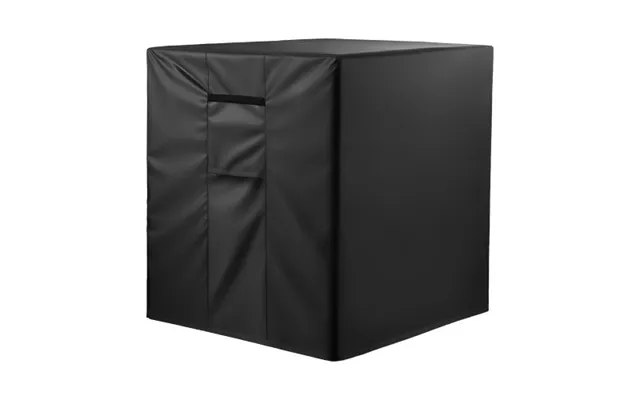
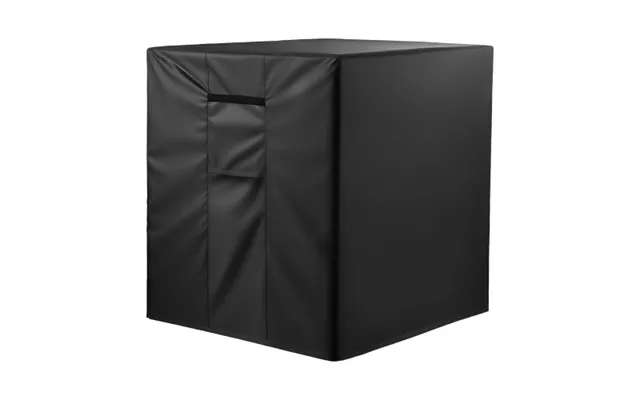
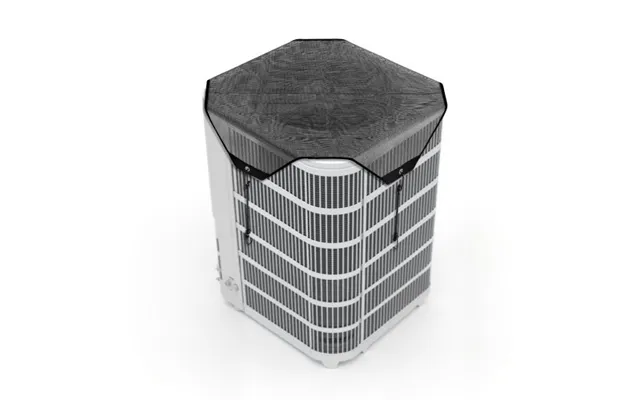
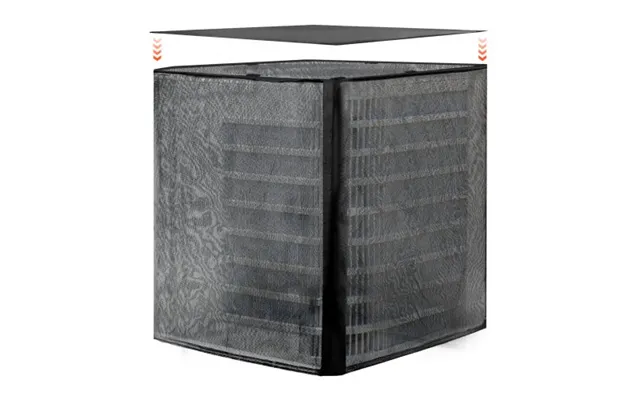
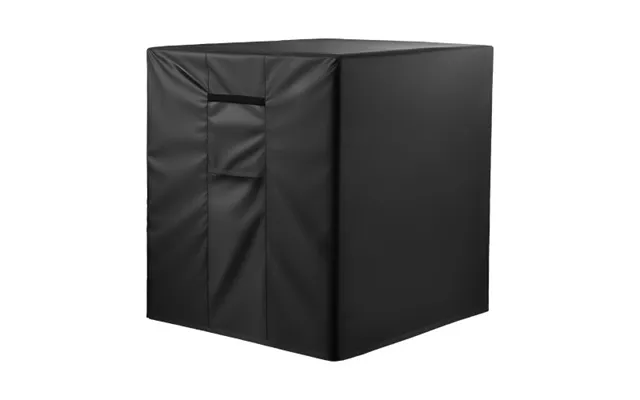
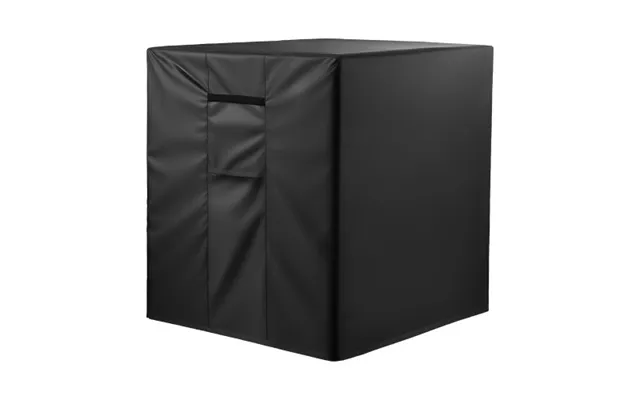
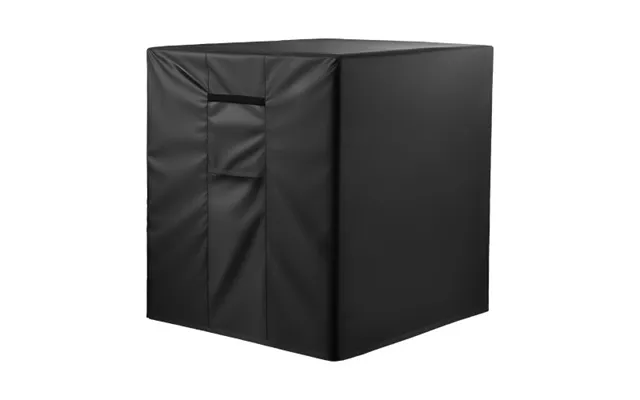
These covers are made for the outdoor condenser unit in split systems and central ACs. They usually cover the top and sides while allowing airflow when necessary. A good condenser cover is durable, water-resistant, and sized to fit units ranging from small 24 in models to larger units over 48 in across. They protect against leaves, bird nests, and snow that can corrode fins and clog fans.
Window AC covers are designed to slip over window-mounted units during the off-season. They prevent dust buildup, protect electrical components from moisture, and stop chilly drafts in winter. Look for padded or insulated options if you want extra thermal protection, or breathable covers if you simply want to keep dust at bay.
Portable ACs and mini-splits have their own accessory covers. Portable unit covers often include a drain hose pocket or openings for cords, so you don’t have to wrestle with fit. Mini-split outdoor units may need a fitted top cover to keep ice and debris off the fan while allowing proper drainage.
When shopping for an AC cover, material matters as much as shape. Waterproof fabrics keep rain off, but completely sealed covers can trap moisture and promote rust or mold. Breathable, water-resistant materials strike the right balance—think of a rain jacket with vents. UV-resistant coatings extend lifespan by preventing sun damage, and reinforced seams resist tearing from gusty winds. Finally, features like tie-down straps, elastic hems, and vents make installation easier and ensure the cover stays snug during storms.
It’s tempting to grab a fully waterproof cover and call it a day, but condensation can build up under a non-breathable layer, especially in climates that shift between cold nights and warm days. Breathable covers allow moisture to escape, reducing the chance of corrosion. If you live in a heavy-rain or snowy area, look for a hybrid: water-resistant outer shell with breathable panels or vents.
Thin stitching can rip when the wind tugs at a loose cover. Reinforced seams and zig-zag stitching improve durability, while buckles, drawstrings, or Velcro make it easy to secure the cover to the base of the unit. For rooftop or exposed installations, a cover with heavy-duty straps will outlast one with a simple elastic hem.
Buying the wrong size is the fastest way to disappointment. Measure your unit across the widest point, front to back, and from the base to the top. Use inches—if your condenser is 36 in wide, 36 in deep, and 28 in high, choose a cover that accommodates those dimensions with a little extra room for easy installation. For window units, measure the face plate and depth, and remember to account for any mounting hardware that sticks out.
Always round up to the next size if you’re between measurements. A cover that’s slightly too big can be cinched down; one that’s too small won’t protect critical components. If your unit sits on a raised platform or stand, include that height in your measurement so the cover reaches the base properly.
Timing matters. In northern climates, many homeowners cover outdoor units once nightly temperatures consistently drop below about 32°F, when cooling demands end and the risk of snow and ice begins. In milder areas, you might only cover your unit during heavy rain seasons or when a long period of disuse is expected. Window units benefit from covers during storage, especially through winter, to prevent animal nesting and water damage.
Winter is the obvious time to shield outdoor units from snow, ice, and freezing spray. But summer storms can throw leaves and debris onto the unit, and intense sun can fade plastic parts. If your region experiences strong UV exposure, consider a UV-protective cover for year-round defense.
Putting on an AC cover is usually straightforward, but a few best practices keep you safe and help the unit breathe. Always turn off power to outdoor units before touching electrical panels or removing panels. Ensure the cover does not block necessary ventilation when the system is in occasional use—some covers come with vents or mesh areas to prevent overheating. Don’t cover an AC that will run for extended periods; covers are meant for storage and protection, not operation.
Start by clearing debris from around the unit. Place the cover over the top, pull sides down evenly, and fasten straps or cinch the drawstring. Tuck any loose material under the base to minimize flapping in the wind. If your cover has a cord or strap to secure to the bottom, use that to keep critters from lifting it and making nests.
Just like any outdoor gear, AC covers need care. Shake off loose dirt and hose them down with water for simple cleaning. For heavier grime, a mild soap and a soft brush will do the trick. Rinse thoroughly and make sure the cover is completely dry before folding to prevent mildew. Store covers in a dry place where rodents can’t chew them—inside a garage or a weatherproof bin works well.
With regular use and proper care, a quality cover can last several seasons. UV exposure and wind are the main enemies. If you notice thinning fabric, frayed seams, or persistent leaks, it's time to upgrade. Replacing a tired cover is a small cost compared to premature AC repairs.
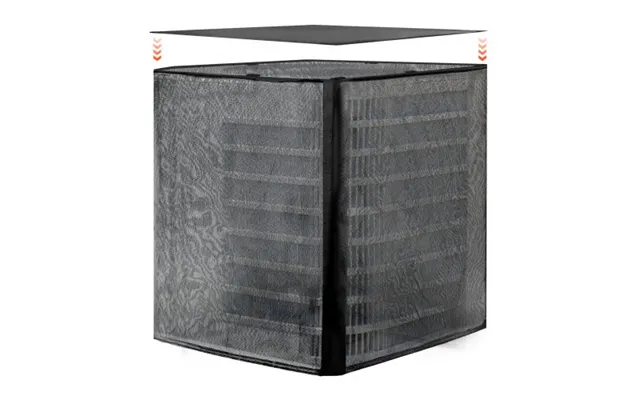
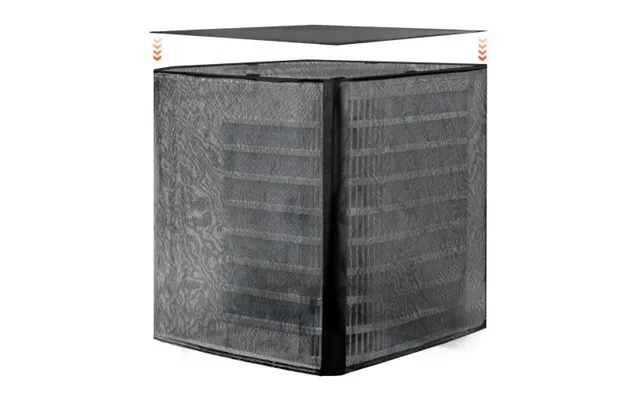
Covers are just one piece of the AC protection puzzle. Consider pairing your cover with a condenser pad to level and lift the unit off the ground, reducing moisture contact. A simple protective cage or mesh can keep leaves and critters out while still allowing airflow. For window units, insulated sleeves and foam blocks help seal drafts and reduce energy loss.
Insulating pipe wrap keeps refrigerant lines from losing efficiency in extreme temperatures, and a UV-resistant top cover can prevent heat soaking that ages plastic louvers. Magnetic or Velcro filters for window units also reduce dust buildup on internal coils and save you cleaning time.
Budget covers can be tempting, especially if you just need temporary protection. However, premium covers usually offer thicker material, better stitching, and features like vents and straps that reduce the chance of damage. Think of it as choosing between a thin umbrella and a storm-rated jacket: the cheap option might work in a light drizzle, but for storms and long-term protection, you’ll want something built to last.
Invest in material quality and fastening systems—those will determine longevity. Save on brand-name labels if they don't offer better fabric or features. Comparison shopping across multiple sellers can reveal the best value, especially during seasonal sales when many outdoor protection accessories are discounted.
Protecting your air conditioner saves more than just replacement costs. Clean, well-maintained units run more efficiently, lowering energy bills and reducing wear on parts. Over time, that improved efficiency can translate into lower utility bills and fewer repairs—a tangible environmental and financial benefit. It’s like tuning up a car: a small investment now prevents big expenses later.
Before you click “buy,” run through a quick checklist: measure your unit, choose the right type (condenser, window, or portable), prioritize breathable and UV-resistant material, verify fastening options, and check for reinforced seams. Also, think about compatibility with any existing accessories like cages or pads. If you follow these steps, you’ll get a cover that fits like a glove and protects like a shield.
Seasonal promotions and comparison tools make it easy to find bargains on AC covers and accessories. Look for packages that combine covers with pads or tie-downs for a better overall value. Read product descriptions carefully to ensure features like vents or insulation are included—sometimes a lower price hides missing functionality. And remember: the goal is long-term protection, not just the cheapest option.
Conclusion: Choosing the right air conditioner cover is a small decision with outsized benefits. From protecting your investment against weather and pests to improving energy efficiency and avoiding costly repairs, the right cover pays for itself. Measure accurately, pick materials that suit your climate, and pair the cover with complementary accessories for maximum protection. Whether you have a central condenser, a window unit, or a portable AC, there’s a cover designed to keep it safe season after season.