

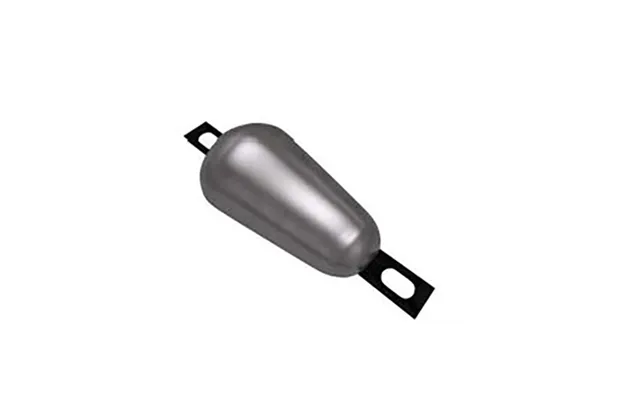
Anode Rods price list
Last updated Tuesday, 20 Oct 2026
| Anode Rods | Price |
|---|---|
| Metec Mh20zs Zinc Bolt-on Hull Anode | £21.00 |



Loading...
Last updated Tuesday, 20 Oct 2026
| Anode Rods | Price |
|---|---|
| Metec Mh20zs Zinc Bolt-on Hull Anode | £21.00 |
If you own a water heater, an anode rod is one of the quiet heroes inside the tank that you rarely think about—until it’s too late. An anode rod is a sacrificial metal rod inserted into your tank to attract corrosive elements in the water, preventing the tank itself from rusting through. Think of it as a corrosion decoy: it corrodes so the tank doesn’t. Replace it regularly and you extend the life of a water heater measured in gallons and years, not weeks and dollars.
Corrosion happens because different metals and electrolytes in water create a tiny electrical current that eats metal away. An anode rod is made from a metal that is more reactive than the steel in your tank—common choices are magnesium, aluminum, or zinc. The more reactive metal sacrifices itself, corroding first so the tank does not. It’s an elegant little electrical handshake that keeps hot water flowing and pricey replacements off your schedule.
Not all anode rods are created equal. Choosing the right type depends on water chemistry, tank size, and your budget. Below are the most common options and when each makes sense.
Magnesium rods are often the best choice when taste and odor are concerns because they corrode in a way that usually doesn’t affect water flavor. They work especially well in soft water and offer strong corrosion protection, but they can corrode faster in very hard water, so they might need replacement more often. Typical magnesium rods come in lengths like 30 inches, 44 inches, and 54 inches to match different tank configurations.
Aluminum or aluminum-zinc rods are often cheaper and last longer in hard water because they corrode more slowly. However, they can sometimes affect water taste or discoloration, especially if your water has certain minerals. If you have very hard water and want a longer-lasting rod, aluminum-based rods are worth considering. Sizes commonly match tank heights—measure the dip tube or check the tank manual for the proper length in inches.
Powered anode rods, sometimes called impressed current anodes, don’t sacrifice metal; instead, they apply a small electrical current to prevent corrosion. They’re more expensive upfront and require a power source, but they’re ideal if you want a low-maintenance solution that avoids adding metal ions to your water. These are particularly useful in aggressive water conditions or for high-value tanks.
Stainless steel rods are technically a “last resort” option: they don't sacrifice themselves like magnesium or aluminum, so they won’t protect the tank the same way. They are used mainly in systems where adding metal ions to the water is unacceptable, or as a supplement to powered anode systems. Expect them to last a long time, but know they provide different protection mechanics.
Getting the right size and thread type is crucial. Most residential tanks use a 3/4-inch NPT thread for the anode port, but check your manual before buying. Rod lengths commonly available include 30 inches, 44 inches, and 54 inches. A 40-gallon vertical tank often needs a 54-inch or 44-inch rod depending on the model; smaller tanks like 20-gallon units may only require a 30-inch rod. Measure in inches and match the thread size to avoid cross-threading or leaks.
Rule of thumb: check the anode rod every 2 years, and replace it if it’s less than half an inch thick, heavily corroded, or broken. In many homes with hard water or higher water temperatures, you may need to replace rods every 3 to 5 years. In softer water or with a well-maintained powered anode, you could go longer. If your tank is leaking or the rod has mostly dissolved, replace the rod immediately—leaks usually mean the tank has already taken damage and may not be salvageable.
How do you know the rod is doing its job or calling it quits? Watch for rusty-colored water, metallic tastes, or increased sediment in your hot water. Another clear sign is when the rod has visible pitting, is significantly thinner than its original diameter, or has broken off inside the tank. If your hot water starts smelling like rotten eggs, that can be tied to a corroded anode interacting with bacteria; switching to a different anode material (for example, from magnesium to aluminum-zinc) sometimes fixes that.
Replacing an anode rod is a doable weekend project for many homeowners, though it can be physically demanding. Here’s a straightforward, conversational guide with the basic tools and steps.
You’ll typically need a 1-1/16-inch hex socket or an adjustable wrench sized to the rod head, a breaker bar for stubborn rods, Teflon tape, a shop vacuum or towels, and possibly a replacement rod in the correct length and thread size. Don’t forget safety gear: gloves and eye protection are a must when working with hot water systems.
First, turn off the power to the water heater—electricity or the gas pilot—and shut off the cold water supply. Drain a few gallons from the hot side into a bucket to reduce pressure. Open a nearby hot tap to relieve pressure while you work. Locate the anode port, usually on the top of the tank, and use the correct socket and breaker bar to loosen the rod. If the rod is stuck, try penetrating oil and gentle rocking with the breaker bar. Once out, compare the old rod to the new one for length and thread, wrap the new threads with Teflon tape, and thread it in by hand before tightening. Refill the tank, check for leaks, and restore power. If you’re uncomfortable at any point, call a plumber—better safe than sorry.
One common mistake is buying the wrong length or thread type—measure first. Another is over-tightening the rod, which can strip threads and cause leaks. Using the wrong materials for Teflon or sealing can also create issues. If the rod breaks during removal, it might require a specialist extractor. Finally, don’t forget to turn off power and relieve pressure before you start; hot water and live electrical components are a dangerous combo.
Choosing between magnesium and aluminum depends on your water chemistry and priorities. Magnesium provides superior corrosion protection and better water taste but may corrode faster in very hard water. Aluminum-zinc lasts longer in hard water but may cause odor or discoloration in some systems. If you’re unsure, start with magnesium for general protection, or test your water hardness—if it’s very hard, aluminum-zinc might be a wiser option for longevity.
Powered anodes cost more upfront and need a power source, but they’re a smart investment for homeowners with aggressive water conditions or those who want to minimize adding metal ions to their water. They’re also useful for commercial setups and properties with hard-to-reach tanks where frequent rod replacement is impractical. Think of a powered anode as a high-tech insurance policy for your tank: fewer physical replacements, but a need for occasional electrical checks.
Higher water temperatures accelerate corrosion, so if you run your water heater at 140°F instead of the manufacturer’s recommended 120°F, expect a shorter anode lifespan. Heavy usage—lots of showers, filling tubs, or running appliances—also shortens the rod’s life because more corrosive water flows through the system. Lowering water temperature a few degrees and managing usage patterns can prolong both your anode and the tank itself.
Anode rods are relatively inexpensive compared to a full water heater replacement. Expect plain magnesium or aluminum rods to cost anywhere from a modest amount up to a higher figure depending on length and brand, while powered systems cost more upfront plus installation. Even a professional replacement of a simple rod is usually a fraction of the cost of a new tank. Consider an anode rod replacement an investment in longevity that often pays for itself by delaying a major purchase measured in hundreds of dollars.
There are many retail and online options to buy anode rods. When choosing, compare rod length in inches, thread type (commonly 3/4" NPT), material composition, and any warranties. If you prefer to compare options side-by-side, look for comparison platforms that list specs, prices, and user reviews so you can see which rods suit a 40-gallon vertical tank versus a 20-gallon compact model. Buying the right rod the first time saves time, frustration, and potential leaks.
Beyond replacing the anode rod, periodic tank flushing to remove sediment can significantly extend both rod and tank life. Flushing once a year—by draining a few gallons through the drain valve—helps reduce sediment buildup that accelerates corrosion. Also, keep water temperature at a reasonable setting, and check the rod every couple of years. Small, consistent maintenance steps are the best way to keep hot water on tap for years to come.
Different anode materials release different ions into the water. Magnesium can slightly alter water taste, and aluminum-zinc may cause discoloration or odor in some systems. Powered anodes eliminate the need to release metal ions, which can be better for people sensitive to taste or families using tank water for drinking. If you have well water with high mineral content, consider a water test and consult a pro about the best anode choice for your system.
If the anode rod is stuck or broken, if the tank is leaking, or if the job requires removing the entire top of a tank, call a professional plumber. Also, powered anode systems typically require electrical familiarity; installers can ensure safe and code-compliant work. When in doubt, professional help can prevent costly mistakes and ensure the right rod type and length are used for your specific tank.
Anode rods are a small part of your water heater, but they have an outsized impact on tank life and performance. Regular checks, correct sizing in inches, proper material choice, and timely replacement are simple habits that prevent early tank failure and unexpected expenses. Think of an anode rod like an insurance policy: cheap to maintain, invaluable when needed, and a straightforward way to keep hot water flowing reliably.