

Pocket Folders price list
Last updated Monday, 19 Oct 2026


View 15 Offers
Loading...
Last updated Monday, 19 Oct 2026
Think of a pocket folder as a trusty toolbelt for your paperwork — neat, portable, and ready for action. Whether you’re handing over a contract, corralling schoolwork, or assembling a sales pack, pocket folders keep everything together and looking sharp. They’re lightweight, affordable, and designed to protect loose sheets from spills, creases, and the general chaos of daily life. If you want documents that arrive wrinkle-free and professional, a good pocket folder makes a huge difference.
Not all folders are created equal. From budget paper folders to heavy-duty poly designs, each type serves a different need. Knowing the differences helps you pick the one that fits your workflow — whether that’s carrying a few pages to a meeting or keeping a multi-section portfolio ready for presentation.
Paper folders are lightweight and cost-effective, perfect for events, short-term storage, and handing out materials in bulk. They usually come in sizes around 9 x 12 inches, hold a moderate amount of paper, and can be printed on for branding. Just be mindful: paper folders get soggy if they meet liquids, so they’re best for controlled indoor use.
Poly folders are the tough, weather-resistant cousins of paper folders. Made from polypropylene or similar plastics, they resist tearing and water damage. Common dimensions hover around 9 x 12 inches and they often feature reinforced pockets or riveted seams for extra durability. If your documents need protection on the go, poly is a smart choice.
Laminated folders combine the look of printed paper with a protective plastic coating. The lamination gives a glossy or matte finish that helps resist scuffs and spills while maintaining vibrant graphics. These are ideal for client-facing presentations where aesthetics matter and a few extra months of life is required.
Gusseted pocket folders expand like a small accordion so you can carry thicker stacks — think 1/2 inch to 1 inch spine capacity in some models. They’re great when you need a single, compact folder that can handle variable amounts of paperwork, for example when collecting forms at an event or carrying multiple handouts.
Picking the perfect folder isn’t rocket science, but a few practical questions will steer you right: How many sheets will you typically carry? Will the folder be exposed to the elements? Do you need room for business cards or labels? Answering these helps you balance cost, durability, and style.
Most pocket folders are designed for standard paper sizes. For common projects, a 9 x 12-inch folder is ideal for 8.5 x 11-inch documents with a little wiggle room. For legal-size documents, look for folders sized to fit 8.5 x 14 inches. Always check the inside pocket depth to ensure the paper won’t stick out.
If you’re carrying just a few sheets, a simple folder will do. For thicker packets, choose folders with a 1/4 inch to 1/2 inch gusset or reinforced spine. Many plastic folders can safely hold 50 to 100 sheets, while basic paper folders work best up to about 25 to 50 sheets before sagging.
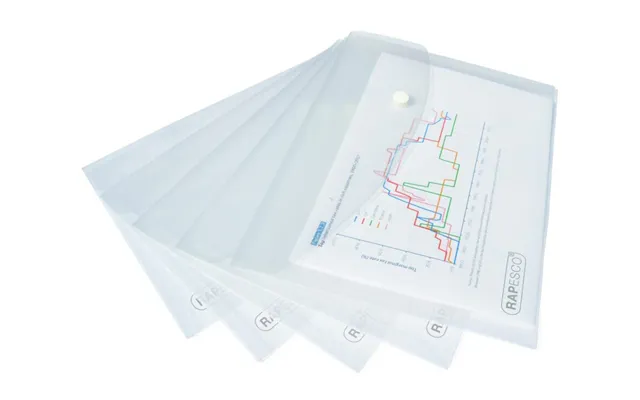
Some folders close with simple flaps, others have elastic bands, snap buttons, or Velcro. Elastic or snap closures add security when you’re commuting, while open-top designs make it easy to grab documents quickly during meetings. Choose the closure type to match your typical use scenario.
Are you distributing marketing materials? Look for folders that accept full-color printing or that have areas for stickers and labels. Laminated or coated paper folders tend to reproduce vibrant graphics best, while poly can be silk-screened for a subtle, durable logo.
Small features can turn a decent folder into a beloved one. Business card slits, reinforced edges, interior fasteners, and tabbed pockets all contribute to usability. Think of these features as tiny conveniences that save you time and keep your documents organized.
Folders with integrated business card holders or ID windows help you keep contact details handy and presentable. They’re especially useful for sales teams and consultants handing out client packs — a small marketing win that looks professional.
Reinforcement at stress points — like the corners of pockets and the center seam — prevents tearing when folders are frequently used. Rivets along the pocket seams add longevity, useful if you plan to reuse folders for months or years.
Some pocket folders include fasteners for punched documents or adhesive tabs for sectioning content. These features turn a regular folder into a mini-binder, combining the portability of a folder with the order of a binder — handy for proposals and training handbooks.
Folders aren’t the only way to organize documents. Comparing them to report covers, ring binders, and expandable files helps you choose the best tool for each task. Each format has its sweet spot depending on capacity, portability, and presentation needs.
Report covers are lighter and often used for finished documents like essays or one-off reports. Pocket folders add pockets for handouts and business cards, making them better for multi-piece presentations. If your packet contains several loose leaf inserts, a pocket folder usually wins for presentation and security.
Ring binders are superior for long-term reference and large document sets because pages stay secured on rings. But binders are bulkier. If you need something slim, branded, and easy to hand out, pocket folders are the portable, low-fuss option.
Expanding files excel when you’re juggling many categories or months of paperwork, offering multiple compartments. Pocket folders are simpler and more affordable for single-subject use or short-term distribution, where a single pocket or two is all you need.
From classroom handouts to client pitches, pocket folders fit into dozens of everyday scenarios. Their versatility is a big part of their appeal — they’re as comfortable at a school desk as they are in a corporate boardroom.
Teachers love folders for organizing homework, permission slips, and newsletters. Durable poly folders can survive backpacks and lunchbox mishaps, while paper folders work for short-term handouts and crafts.
Need a polished touch for client meetings? Branded, laminated folders make your presentation feel intentional. Tuck a one-pager, contract, and card into the pockets and you’ve made a professional impression without fuss.
Folders are ideal swag — inexpensive, useful, and easily branded. Use them for agendas, speaker bios, and brochures. A thoughtfully designed folder can keep attendees organized and remind them of your brand long after the event.
Want your folder to carry your brand voice? Custom printing, embossing, foil stamping, and spot UV are all ways to elevate a simple folder into a powerful marketing tool. Small touches like a custom inside pocket color or a printed insert can make your materials memorable.
Keep your layout clean and focused — too much text can overwhelm. Place your logo where it’s visible when the folder is handed over, and use a consistent color palette that matches other printed materials like business cards and brochures.
For custom folders, order a small test run before committing to a large quantity. Check print quality, color accuracy, and durability by handling the physical product. Many vendors offer proofs so you can tweak the design first.
Environmentally-minded shoppers can find folders made from recycled paper or post-consumer recycled plastic. Recycled paper folders reduce environmental impact but may be less water-resistant than virgin poly. Choose recycled poly for a balance of durability and sustainability.
Look for FSC-certified paper or suppliers that use post-consumer recycled content. Recycled polypropylene offers robustness with a smaller carbon footprint compared to virgin plastics. If sustainability is important to your brand, make it part of the buying criteria.
To get the most out of your folders, pair them with a few accessories: sheet protectors for important pages, tabs for sections, and adhesive labels for quick identification. These little additions multiply the usefulness of a simple folder.
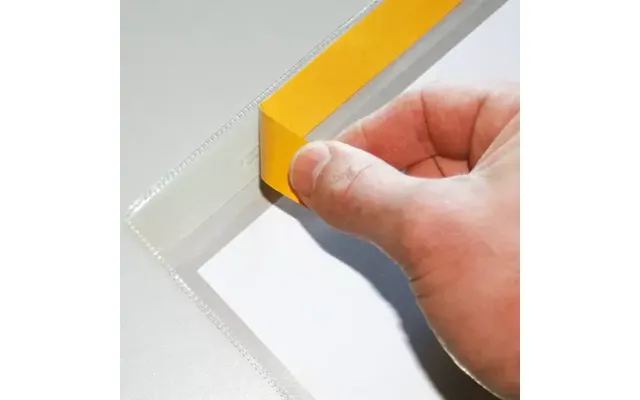
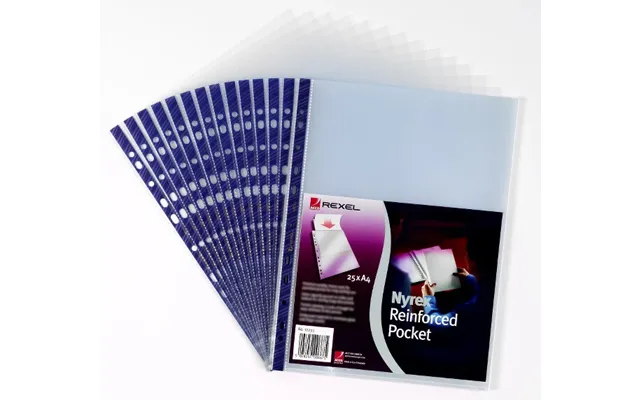
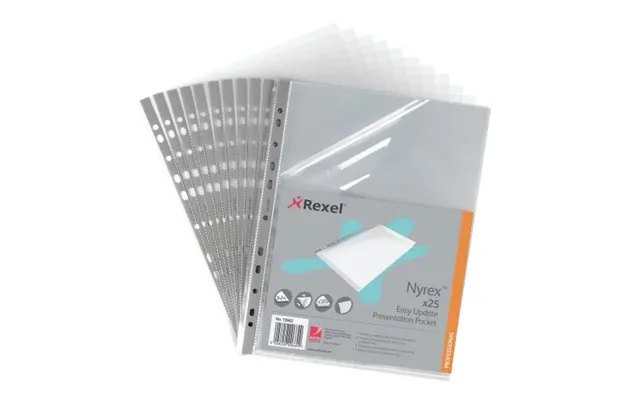
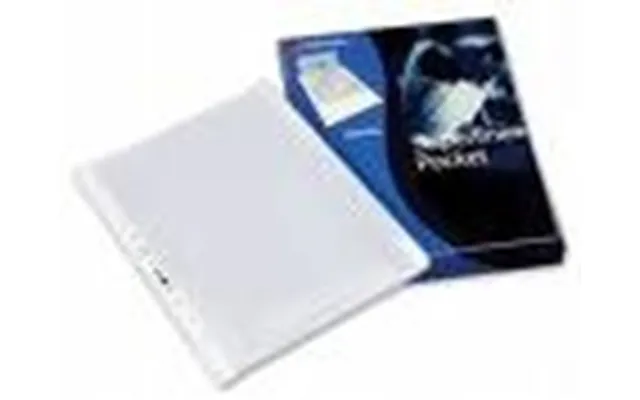
Clear sheet protectors guard shiny covers and certificates while letting you swap content easily. Inserts such as printed cover sheets or product spec pages make folders feel curated and professional.
Labels and tabs help you sort and identify folder contents at a glance. Elastic bands are a low-cost way to keep thick packets secure when a folder’s closure isn’t enough. Together, these accessories turn a folder into a mini filing system.
Shopping around pays off. Comparison sites list offerings from multiple sellers so you can weigh price, shipping, and product details side by side. Use comparison tools to filter by size, material, and print options to find the best match for your needs without wading through dozens of individual store pages.
Keep your folders looking good by storing them flat and dry. Wipe poly folders with a damp cloth to remove smudges and avoid overstuffing pockets, which stresses seams. Treat laminated paper folders like you would a glossy brochure — they resist light wear but aren’t invincible.
Pocket folders are small, affordable, and versatile tools that punch well above their weight. Whether you need rugged protection for daily use or a polished presentation for clients, there’s a folder to fit the bill. Pick the material and features that match your routine, add a few accessories, and a simple folder will keep your paperwork organized like a tiny, efficient filing cabinet.
In case you’re comparing options, remember: poly for durability, laminated for presentation, and paper for cost-efficiency. And when in doubt, order a sample to see how a folder handles real-world use — it’s the best way to avoid surprises.