All categories
Business & Offices
Electronics & Media
Fashion & Accessories
Groceries & Essentials
Health & Personal Care
Home & Living
Kids & Family
Sports & Outdoors
Search in ZoneOffer

Loading...
Healthy teeth equal a happier pet—it’s that simple. Whether you’re caring for a sprightly kitten, a senior dog, or a whole furry family, the right pet oral care supplies will freshen breath, reduce plaque, and help dodge expensive dental bills. Better yet, you don’t have to overspend to get what works. With smart comparison shopping, you can track popular offers, check a price list at a glance, and grab the best-value picks for your needs.
In this guide, we’ll walk through the essential products—think toothbrushes, enzymatic toothpaste, dental chews, water additives, sprays, and more—plus how to choose them, use them, and save on them. Ready to turn tooth time into a quick, feel-good routine? Let’s get those tails wagging and whiskers twitching.
Here’s the truth: plaque doesn’t nap. It starts forming fast, and without routine care it hardens into tartar, irritating gums and inviting bacteria to the party. That’s why consistent dental care isn’t a luxury; it’s part of everyday wellness for dogs and cats alike.
You’ve likely noticed the early warning sign—stinky breath. But halitosis isn’t just annoying; it’s a clue. Gum inflammation can progress to tooth loss and discomfort, and bacteria from the mouth can impact overall health. Small breeds and brachycephalic pets often need extra attention, but every pet benefits from a simple, regular routine.
Good news: you don’t need a dentist’s toolkit at home. With the right supplies and a few minutes each day, you can make a big difference. Think of it like polishing a tiny set of pearls—steady, gentle care keeps them shining.
Let’s spotlight the heavy hitters in pet dental care. You’ll see these items featured widely in popular offers and price lists, and they’re the core of a practical, effective routine. Mix and match to suit your pet’s age, size, and temperament.
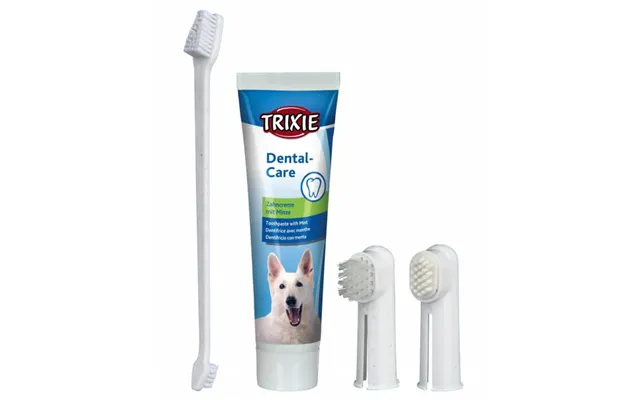
A pet toothbrush is your MVP. Look for soft bristles and a head suited to your pet’s size—about 1 in for toy breeds and cats, up to 1.5 in for large dogs. Double-ended brushes give you flexibility, while angled necks make it easier to reach those tricky back molars.
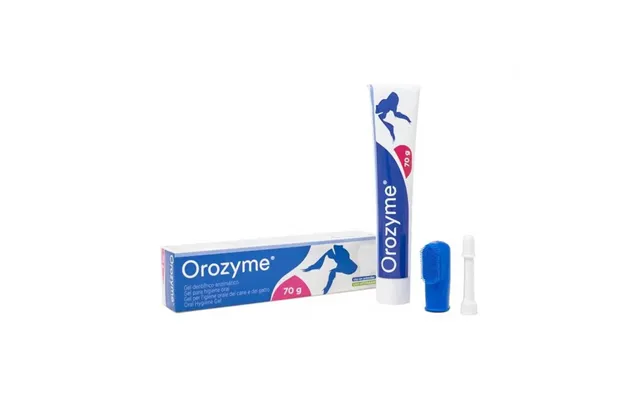
Finger brushes slip over your fingertip and can feel less intimidating for beginners. They’re great for cats and small dogs or as a stepping stone toward a traditional brush. Silicone textures can be gentler for sensitive gums, while bristled options offer a bit more scrubbing power.
Never use human toothpaste—fluoride and foaming agents can be unsafe for pets. Enzymatic pet toothpastes are designed to break down plaque while being safe to swallow. Popular flavors like poultry, beef, and seafood help brushing feel like a treat rather than a chore.
Check the tube size to match your usage. If you brush daily for a medium dog, a 2.5 oz to 3.5 oz tube typically lasts a few weeks. For multi-pet households, a larger tube can offer better per-ounce value when you compare prices across retailers.
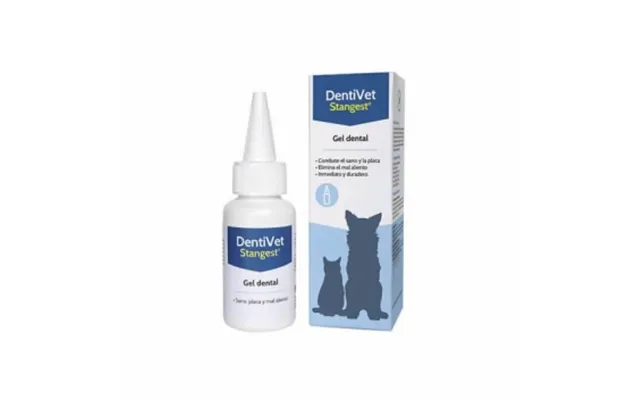
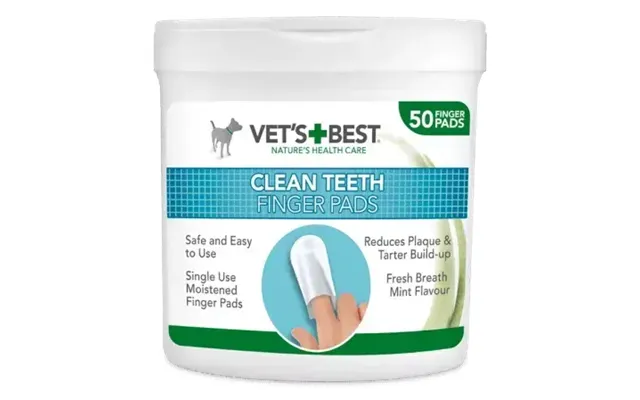
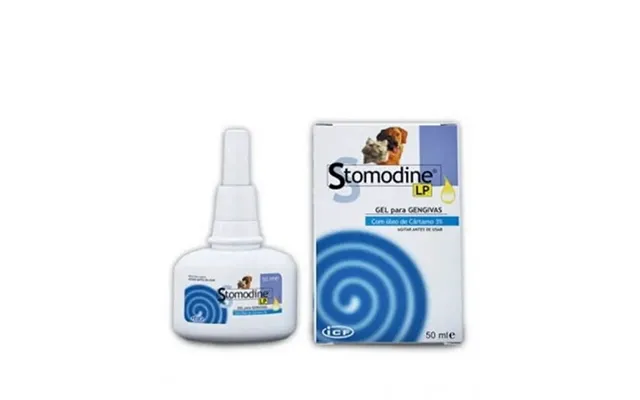
Dental wipes are quick, no-fuss helpers—think of them as a backup plan for busy days or brush-averse pets. Gels that you rub along the gumline can help reduce plaque and soothe irritated tissues. While they’re not a perfect substitute for brushing, they’re a strong supporting act.
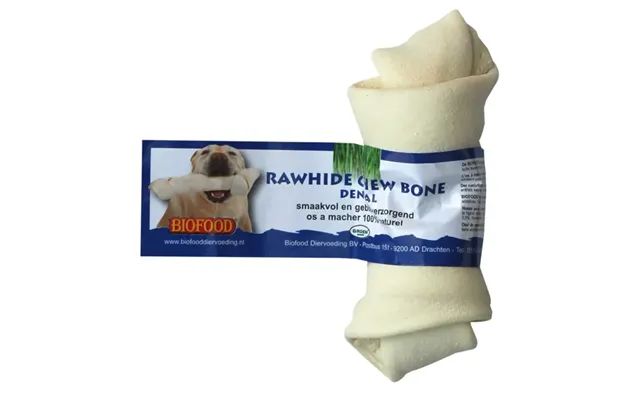
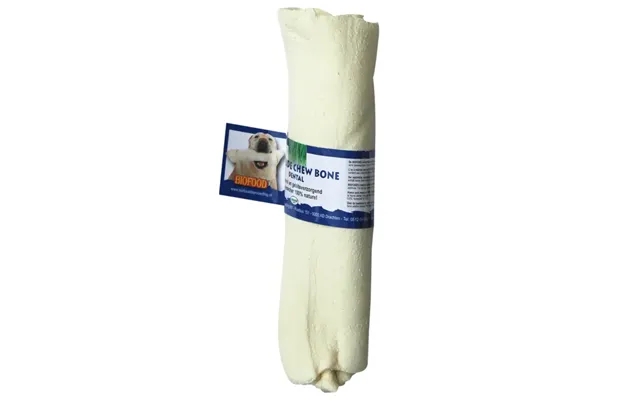
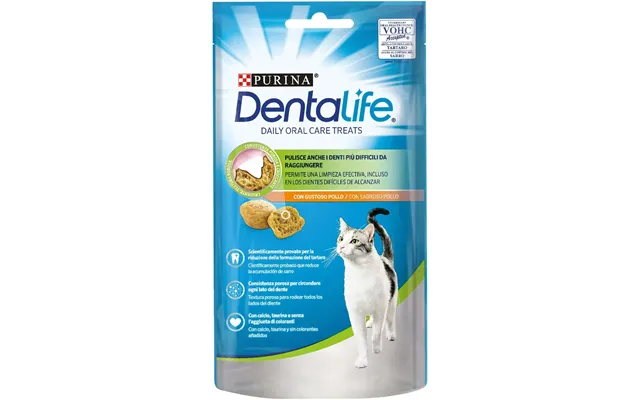
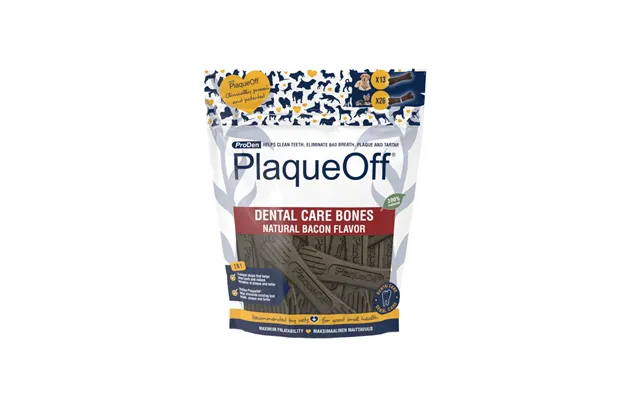
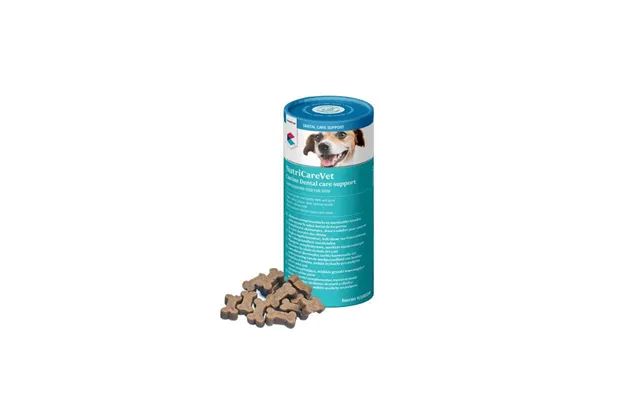
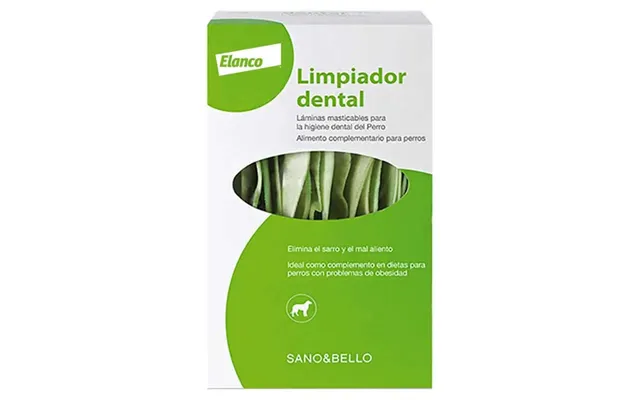
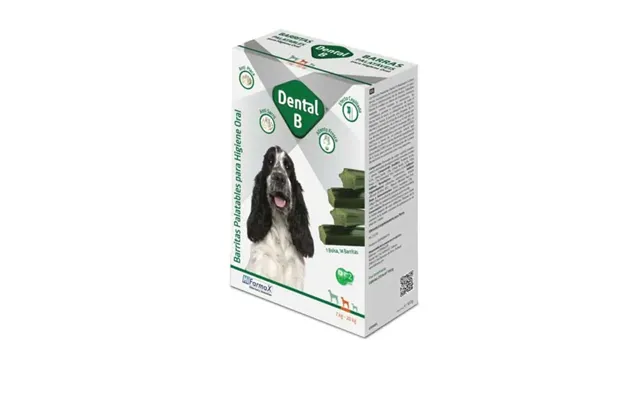
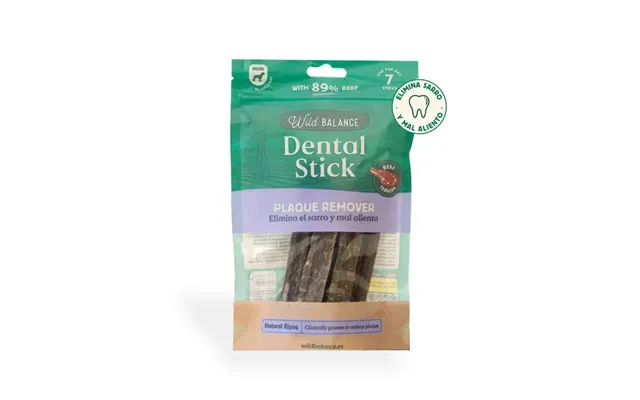
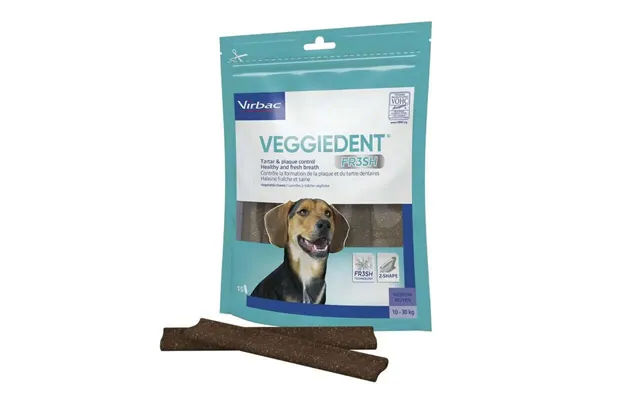
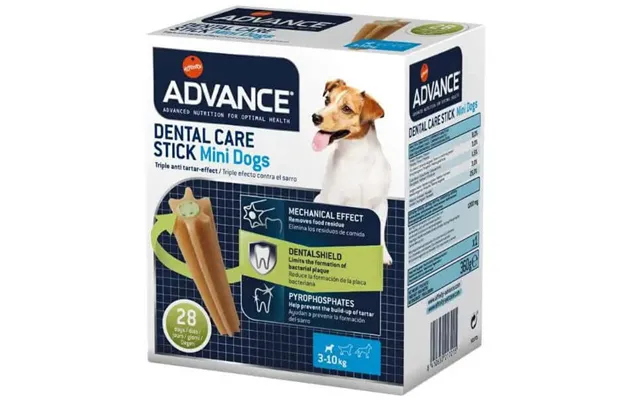
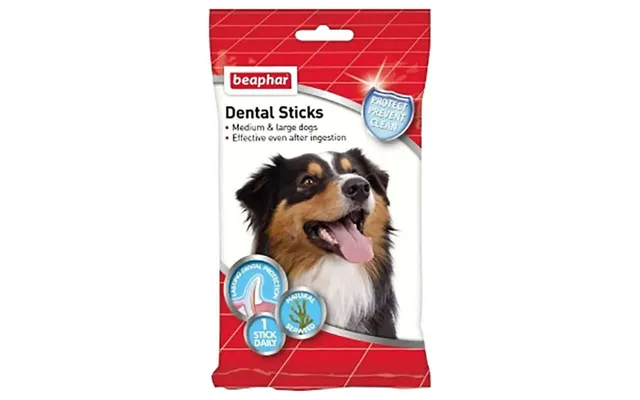
Chews do double duty: they satisfy the urge to gnaw and scrub away soft plaque. Look for textures with ridges and nubs, and choose sizes appropriate to your pup—tiny chews for toy breeds, hearty sticks for big chompers. Always supervise chewing to keep it safe and effective.
Want an insider tip? Compare the per-ounce cost when weighing brands and pack sizes. A 10 oz bag might look cheaper at first, but a 20 oz multipack often wins on value—especially during seasonal promotions.
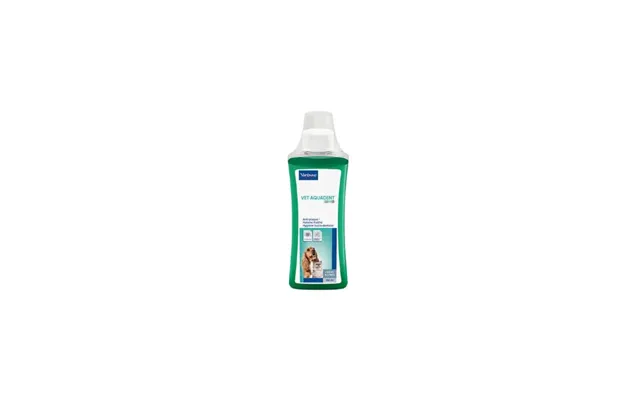
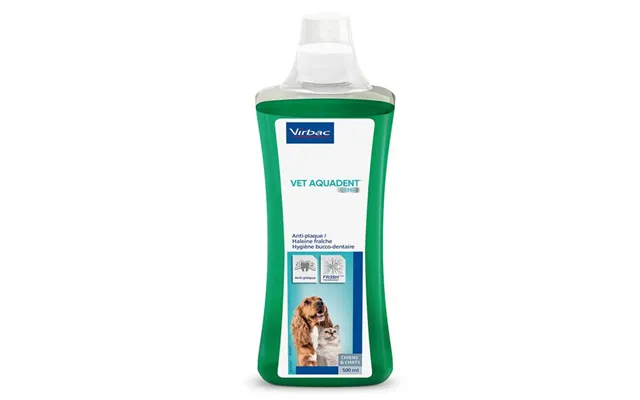
Water additives are the stealth fighters of pet oral care. Add the recommended teaspoons to your pet’s water bowl, and they get freshening and plaque-fighting benefits with every sip. It’s an easy win for cats and dogs who resist brushing.
Choose options with clear usage directions, and keep an eye on flavorless formulas if your pet is picky. For budgeting, compare the ounces per bottle and the number of bowls treated per bottle—this helps you see real-world cost over several weeks.
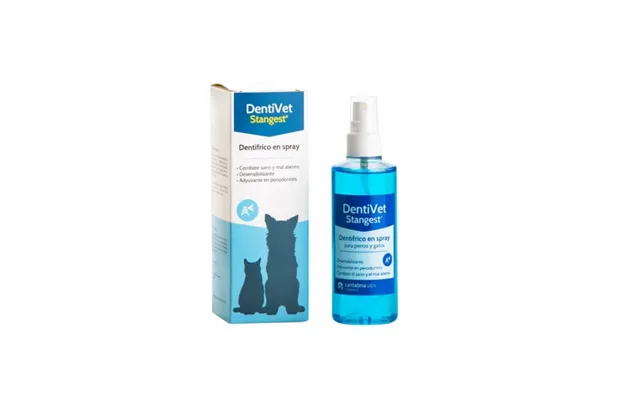
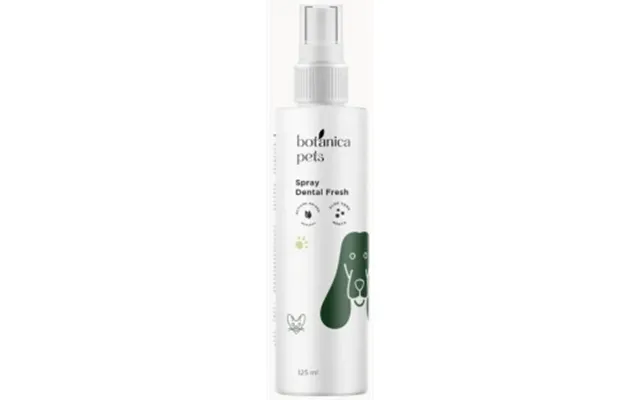
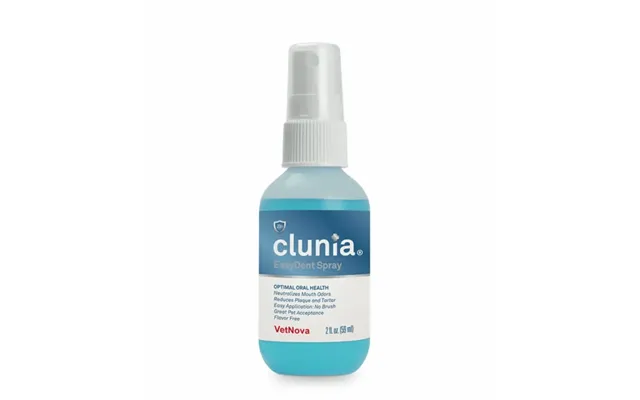
Sprays and foams can be lifesavers for pets that dislike brushes near their mouths. Aim along the gumline after meals or at bedtime. They’re often formulated to freshen breath while tackling bacteria, making them a convenient on-the-go companion.
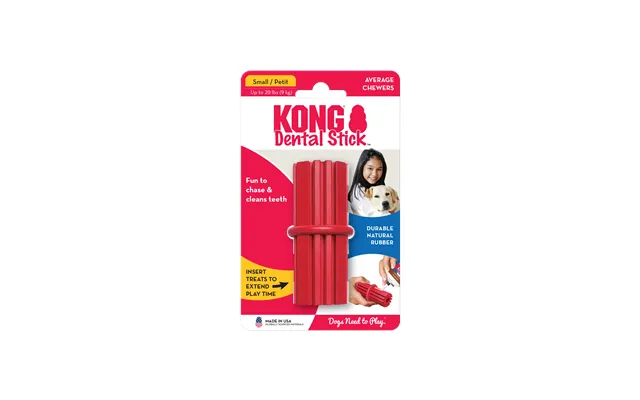
From rope toys to rubber chewers with textured grooves, dental toys add passive cleaning to playtime. They won’t replace brushing, but they help massage gums and scrape away soft buildup. Choose sturdy materials sized to your pet’s bite and replace them when worn.
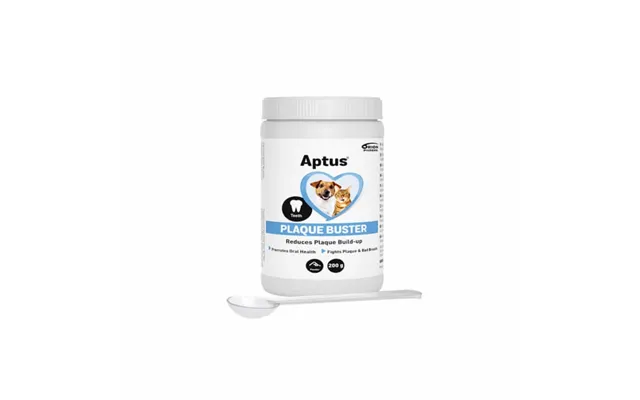
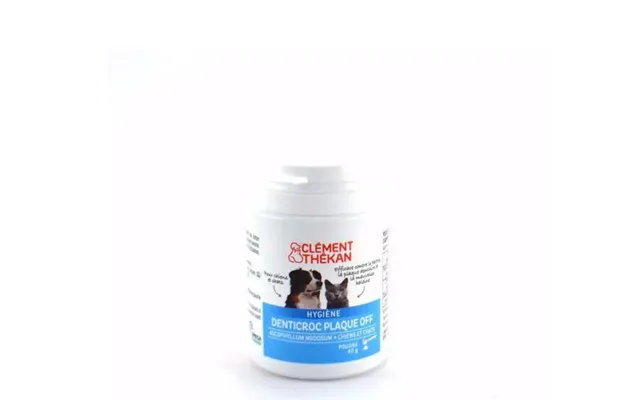
Oral probiotics target the mouth’s bacterial balance, aiming to support fresher breath and healthier gums from the microbiome side. You’ll see them as powders, treats, or drops. Consider them a supportive add-on rather than your primary plaque fighter.
There’s no one-size-fits-all kit. The best choices hinge on your pet’s size, age, temperament, and any sensitivities. A little tailoring here means better compliance, less fuss, and a bigger payoff from your routine.
Small mouths need small tools. Cats and toy breeds tend to do best with shorter heads and softer bristles, while large dogs can handle longer heads and slightly firmer textures. If you’ve got a flat-faced breed, angled brushes and finger brushes can make access easier.
Puppies and kittens benefit from gentle, short sessions with ultra-soft tools and mild flavors. Adults can graduate to full brushing routines, while seniors may prefer softer textures, soothing gels, and chews that are easier to manage with aging teeth.
For pets with tender gums, look for gentle formulas—aloe, chamomile, and soothing enzymes are common choices. If your pet has known allergies, opt for simple, limited-ingredient toothpaste and unscented wipes to keep reactions at bay.
Some pets go wild for poultry flavor; others prefer minty-fresh or neutral tastes. If brushing is a battle, try a different flavor before you change the tool. A small flavor shift can turn resistance into anticipation.
Scan for enzymatic blends, chlorhexidine alternatives designed for pets, and non-foaming, xylitol-free formulas. With chews, go for dental designs with ridges and density, and keep calories in mind for weight control—especially if your dog hovers near a target weight like 20 lb or 40 lb.
Consistency beats intensity every time. A quick daily routine, supported by weekly boosters, is realistic and effective. The goal isn’t perfection; it’s steady habits that keep plaque from getting cozy.
Brush once a day if you can, every other day at minimum. Aim for 30 to 60 seconds per side, with gentle circular motions along the gumline. A pea-size dab of toothpaste is plenty for cats and small dogs, with a slightly larger amount for big breeds.
Layer in dental wipes, gels, or a dental chew several times a week. If your pet tolerates it, alternate between a chew day and a wipe day. Add a water additive to cover the gaps when life gets busy—it’s a simple safety net.
Lift the lips and look for pink, healthy gums, no heavy tartar, and no cracked teeth. Catching changes early helps you adjust your routine and consult your vet before small issues become big ones.
Pet oral care doesn’t have to drain your wallet. Use a trusted comparison site to scan multiple retailers in one place, weigh popular offers, and sort by price per ounce or per unit. You’ll spot the real bargains fast without hopping between tabs all night.
Two toothpaste tubes might be priced similarly, but the larger 3.5 oz tube can offer a lower per-ounce cost than a 2.5 oz tube. The same logic applies to water additives—compare the ounces per bottle and the number of bowls treated to calculate true value.
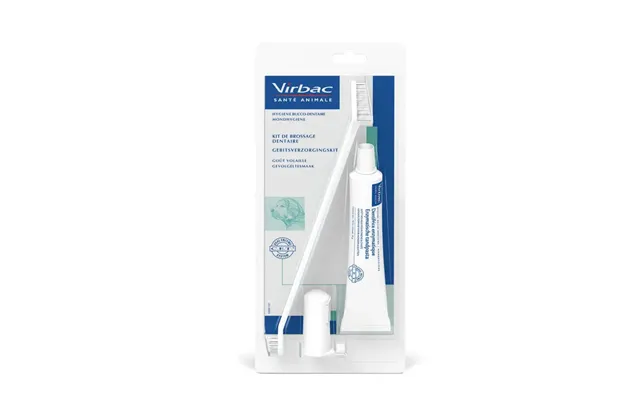
Value packs of dental chews or multi-brush kits often beat single-item prices. A toothbrush and finger brush combo can cover different needs while saving a few pounds. For multi-pet homes, family-sized bundles are usually the budget winner.
Watch for flash sales and limited-time promotions—prices on pet care essentials can swing during weekend or end-of-month events. Signing up for price alerts on a comparison site lets you pounce when your favorites drop.
Look for bargains around major shopping moments, from seasonal clearances to pet-themed events. Stocking up on staples like a 16 oz mouthwash or a 20 oz chew pack during these windows can carry you comfortably for weeks.
If your pet thinks the toothbrush is a tiny alien, you’re not alone. Success comes from slow introductions, tasty rewards, and short, upbeat sessions. The goal is to build trust, not force compliance.
First, let your pet lick a dab of toothpaste from your finger. Next, rub a little along the gums with your fingertip or a soft cloth. Introduce a finger brush for a few seconds, then switch to a small-bristle brush once your pet is comfortable. Keep sessions under a minute at first and end with praise.
Think of it as a mini training game: brush for a few seconds, reward with a favorite treat, repeat tomorrow. In a week or two, you’ll be amazed how routine it feels. Consistency turns resistance into habit.
Even with the best intentions, a few missteps can sabotage progress. Luckily, they’re easy to fix. A little adjustment here and there can boost comfort and results right away.
Human toothpaste is a hard no—it often contains ingredients that aren’t safe for pets. Stick to pet-formulated toothpastes, ideally enzymatic, and you’ll protect your pet while actually targeting plaque effectively.
Heavy-handed brushing can irritate gums and make pets dread the routine. Gentle circles along the gumline work best. If you see redness, ease up on pressure, reduce session length, and consider a softer brush or soothing gel.
Home care is powerful, but it can’t replace professional evaluation. If you’re seeing persistent problems despite a solid routine, a vet check can pinpoint the issue and keep your pet comfortable.
Watch for ongoing bad breath, bleeding gums, loose or broken teeth, pawing at the mouth, drooling, or reluctance to chew. These signs can point to periodontal disease or other issues that need professional care.
Vets can perform thorough cleanings and take dental X-rays when needed. They’ll also recommend tailored tools—maybe a softer brush, a specific chew style, or a gel for sensitive gums—so your home routine works even better.
Want cleaner teeth and a smaller footprint? You can absolutely do both. Look for thoughtfully made tools and formulas that balance efficacy with sustainability, without sacrificing your pet’s comfort or safety.
Seek out toothbrushes with recyclable handles, durable toys that last longer, and minimal, recyclable packaging. Buying larger sizes—like a 16 oz water additive—can also reduce packaging waste and lower cost per ounce.
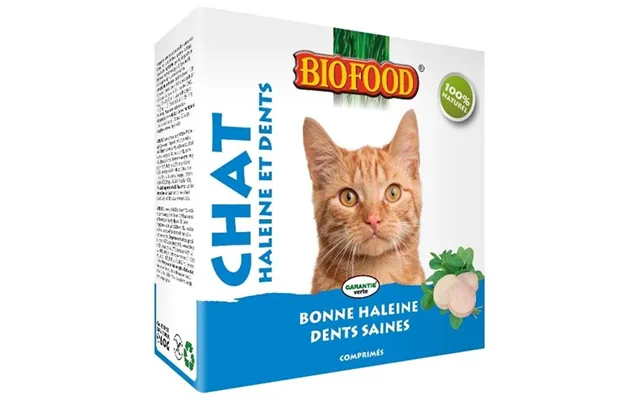
Some pet parents prefer naturally inspired options such as plant-derived enzymes, coconut-based cleansers, or breath-freshening herbs. Choose products backed by clear directions and, ideally, third-party testing or veterinary recommendations.
Labels can be a maze, but a quick decode helps you buy with confidence. Focus on the action words—enzymatic, plaque control, tartar prevention—and make sure instructions align with your routine and your pet’s tolerance.
Independent endorsements and veterinary guidance are helpful signposts. If a product highlights clinical testing or professional recommendations, that adds weight. Pair that with real-world reviews and price comparisons to make a balanced choice.
Enzymatic toothpastes work by breaking down plaque biologically, while other formulas may use antimicrobial agents to reduce bacteria. Neither approach is “one-size-fits-all.” If your pet resists one, try the other and see which delivers better comfort and results.
Keeping your pet’s mouth healthy doesn’t have to be complicated or costly. With a simple daily routine—anchored by a soft brush, a tasty pet-safe toothpaste, and smart helpers like chews and water additives—you’ll control plaque, freshen breath, and protect long-term health. Use a comparison site to scan popular offers, weigh the price list across sizes and formulas, and grab the right tools at the right price. Your reward? Sparkling teeth, sweet cuddles, and a pet who feels as good as they look.
| Pet Oral Care Supplies | Price | |
|---|---|---|
| Cat Wood Sky Polygonum Teeth Grinding Rod With Gall Fruit - Cleaning Teeth | £ 4,31 | |
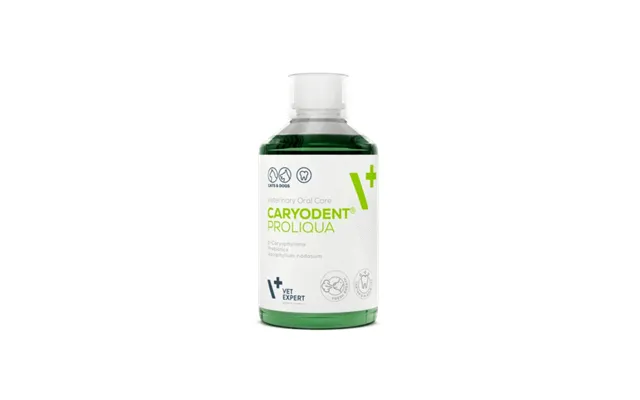
| Water Additive For Daily Oral Hygiene Of Dogs And Cats Caryodent Proliqua Vet Expert Proliqua Vet Expert - 250ml | £ 11,80 | |
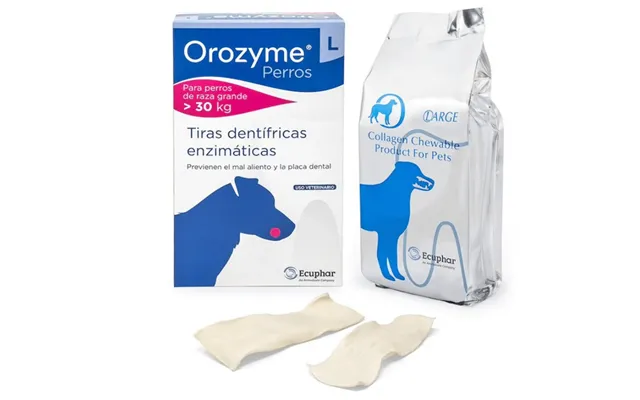
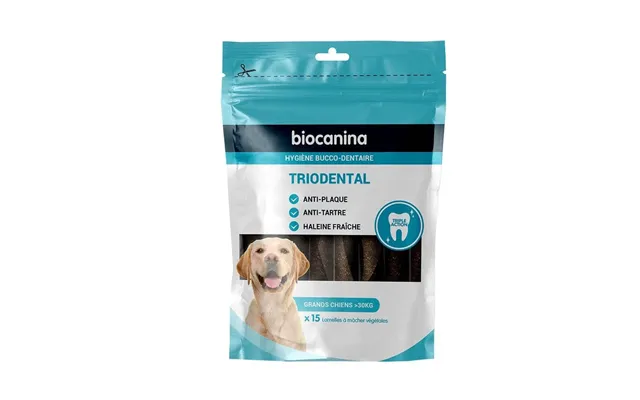
| Biocanine Hygiene Chewable Strips X15 Triodental Large Dogs Over 30 Kg 30 Kg | £ 17,50 |