




All categories
Business & Offices
Electronics & Media
Fashion & Accessories
Groceries & Essentials
Health & Personal Care
Home & Living
Kids & Family
Sports & Outdoors
Search in ZoneOffer
Loading...
If you’ve ever wrestled a heavy trash bin up a curb or across a gravel driveway, you know that the right wheels can change the whole experience. Swapping worn-out or undersized wheels for a quality set transforms a clunky chore into a smooth roll. Better wheels reduce the effort you use, extend the life of the bin, and can even protect your driveway from scuffs. Think of new wheels as giving your bin a much-needed pair of sneakers—sudden comfort and better traction.
There are several wheel types commonly used on garbage and recycling containers, and each has strengths depending on the surface and load. Solid rubber wheels are low-maintenance and puncture-proof, making them great for rough yards. Pneumatic (air-filled) tires offer superior shock absorption for uneven terrain but require occasional inflation and are vulnerable to punctures. Polyurethane wheels are hard, durable, and resist chemicals—excellent for heavy loads on hard surfaces. Nylon or plastic wheels are lightweight and cheap but don’t hold up as well under heavy weight or repeated impacts.
Solid rubber wheels are the workhorses for most homeowners. They handle mud and gravel better than slick plastic wheels and won’t go flat. If you roll your bin over rough ground or frequently cross curbs, solid rubber is usually a safe bet.
Want a cushioned ride for a 64-gallon bin full of yard waste? Choose pneumatic tires. Their air cushion reduces shock to the axle and bin, but be ready to patch or replace them if they get punctured. These are best if you need comfort over long pushes and have relatively smooth routes.
Polyurethane wheels shine when you need durability and chemical resistance—think composting bins or bins near a workshop. They resist oils and solvents better than basic rubber and can handle heavier weights without deforming.
Picking the wrong size or axle type will make installation a headache. Most household bins use wheels between 4 inches and 10 inches in diameter, with 6 inches being very common for 32-gallon containers and 8 to 10 inches for 64-gallon wheelie bins. Check the axle diameter too—many bins use a 1/2-inch or 5/16-inch axle rod. Load capacity matters: a standard 32-gallon bin loaded with waste might need wheels rated for at least 110 to 150 pounds each, whereas a filled 64-gallon bin could demand 200 to 300 pounds per wheel. Always choose wheels rated higher than your estimated load to avoid premature failure.
Before ordering a replacement, measure three things: wheel diameter (in inches), axle diameter (in inches), and the width of the mounting area. Start with the wheel: measure straight across the center from one edge to the other. For the axle, remove the wheel if possible and measure the shaft thickness with a ruler—round down to the nearest common fraction (like 1/2" or 3/8"). Finally, note the space between mounting brackets or the bracket width so your new wheel hub won’t rub or sit loosely. A little measuring now saves a lot of hassle later.
Wheel hubs come with different bore sizes and sometimes include bearings. If your new wheel’s bore doesn’t match the axle, you can often add a sleeve or choose a wheel with a compatible bearing insert. Make sure the hub sits flush and spins freely once installed.
Replacement wheel kits are the easiest route for many homeowners because they include everything: wheels, axle rods, caps, and sometimes tools. They’re often sold for specific bin sizes—32-gallon or 64-gallon wheelie bins—so compatibility is clearer. Buying individual wheels can be cheaper and lets you choose premium materials, but you must ensure axle and hub compatibility. If you like a DIY approach and want to upgrade to larger or more rugged wheels, individual wheels give more flexibility.
Typical kits include two wheels, an axle rod sized to standard bin widths, nuts or hub caps, and sometimes washers or spacers. Some kits also offer brake clips or anti-theft bolts. If buying a kit, check whether the axle length matches your bin; many are adjustable or can be trimmed to fit.
Installing replacement wheels is often straightforward and can be a quick weekend task. Start by emptying and tipping the bin on its side or laying it down on a padded surface. Remove the old wheels—this usually means pulling off a cap and sliding the wheel off the axle or undoing a nut. Clean the axle area, remove rust, and apply a light lubricant. Slide the new wheels onto the axle, add any washers or spacers, and secure with nuts or caps. Give the wheels a spin to make sure they turn freely and aren’t rubbing on the bin body.
Most installations require only basic tools: an adjustable wrench or two, pliers, and possibly a hacksaw or bolt cutter if the existing axle needs trimming. A wire brush helps clean rust, and a dab of grease on the axle eases future removal. If you’re swapping to a DIY larger axle, keep safety in mind—cutting and filing metal should be done with eye protection.
Good maintenance extends wheel life and prevents surprises on collection day. Rinse off mud and debris after long yard work sessions, especially if grit gets into bearings. Lubricate wheel bearings or bushings once or twice a year with a light oil or grease. If you hear grinding or a wheel feels stiff, pull it off, clean the hub, check for worn bearings, and replace parts as needed. In winter, keep an eye out for salt exposure; salt speeds corrosion, so a quick rinse after salty days helps.
If a wheel wobbles, tighten the axle nut and add a washer. A flat pneumatic tire needs patching or replacement; for solid tires, check for chunks of rubber missing that could unbalance the wheel. For noisy wheels, a smear of grease on the axle and bearings is often enough. And if your bin drags, inspect for warped brackets—these can be gently bent back into place or replaced with simple metal brackets from a hardware store.
Match the wheel to your route. For smooth concrete and indoor use, hard polyurethane wheels roll easily and resist wear. Gravel, grass, or uneven paths call for larger-diameter wheels—8 inches or more—and sol id rubber or pneumatic options to absorb bumps. If you drag the bin across tiled floors or hardwood, pick non-marking rubber or polyurethane to keep your floors unscathed. For long collection routes where you push the bin far, comfort matters: pneumatic tires reduce joint stress and make the journey feel easier.
Loose or damaged wheels are a safety problem—bins that topple can hurt people or damage cars, so inspect wheels regularly. If you live in an area where bins are occasionally taken, look for kits with anti-theft axle bolts that require a special key to remove. Some people also add small locks to the axle or use tamper-proof fasteners to keep wheels from being swapped out by opportunists.
If sustainability matters to you, look for wheels made with recycled rubber or polyurethane. Many solid rubber wheels are now produced using reclaimed tire material, reducing landfill waste. Some manufacturers also offer wheels that are themselves recyclable at the end of life. Choosing long-lasting materials may cost a bit more up front, but it cuts down on replacements and the environmental toll of frequent disposal.
People often order the wrong size, assume all axles are the same, or forget to buy the necessary brackets and spacers. Another mistake is underestimating load capacity—wheels rated too low will deform and fail quickly. Don’t try to save a few bucks by installing undersized wheels if you routinely haul heavy loads. Lastly, skipping lubrication or cleaning the axle during installation is a missed chance to prevent corrosion and ease future maintenance.
If your bins are used for commercial applications or you find yourself loading a bin with heavy items regularly, it’s worth upgrading to heavy-duty wheels. These typically feature reinforced hubs, larger bearings, and thicker treads, with load ratings in the hundreds of pounds per wheel. They’re ideal for workshops, small businesses, or homeowners who store heavy yard waste and construction debris in their bins.
Replacement wheels and kits are available through hardware stores, online marketplaces, and specialty industrial suppliers. When comparing options, check wheel diameter, hub type, load rating, and whether the kit includes axles and caps. Read reviews for longevity and real-world performance—people’s experiences tell you whether a wheel holds up to daily pushing, curbs, and rough ground. If you use a comparison service or shopping site, filter by size and material to narrow choices quickly.
Beyond wheels, simple accessories can make your bin easier to handle. Wheel chocks hold bins steady on a slope. Brake clamps secure the bin during loading and unloading. Anti-roll bars and reinforced axles add stability when you haul heavier loads. For frequent multi-bin users, a handle extension kit can reduce bending and lower strain on your back. These small upgrades multiply the benefits of quality wheels.
Prices vary: basic individual replacement wheels often start in the low tens of dollars apiece, while complete kits for 32-gallon or 64-gallon wheelie bins, including axles and caps, typically range from roughly $20 to $80 depending on quality and materials. Heavy-duty commercial wheels and pneumatic tire sets cost more, sometimes over $100 for premium kits. Consider the lifespan—spending a bit more on durable materials often saves money in the long run.
Before you click buy, run through this checklist: measure wheel diameter and axle diameter, confirm load capacity, choose the right material for your terrain, make sure the kit includes necessary hardware, and read a few user reviews. If you’re unsure about axle length or bracket type, take a photo of your current setup—many suppliers can confirm compatibility from an image.
Waste container wheels might seem like a small detail, but they have a big impact on daily life and bin longevity. Choosing the right wheel type, size, and material makes hauling easier, reduces wear and tear, and can even protect your driveway and floors. Whether you’re replacing a worn set, upgrading for rough terrain, or outfitting a commercial bin, a little planning goes a long way. With the right measurements, a basic toolkit, and a quality wheel kit, you’ll have your bin rolling smoothly in no time.
| Waste Container Wheels | Price | |
|---|---|---|
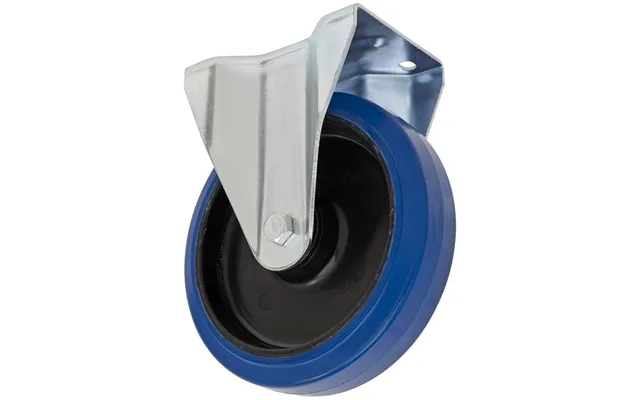
| Sealey Heavy-duty Blue Elastic Rubber Fixed Castor Wheel 160mm | £ 19,95 | |
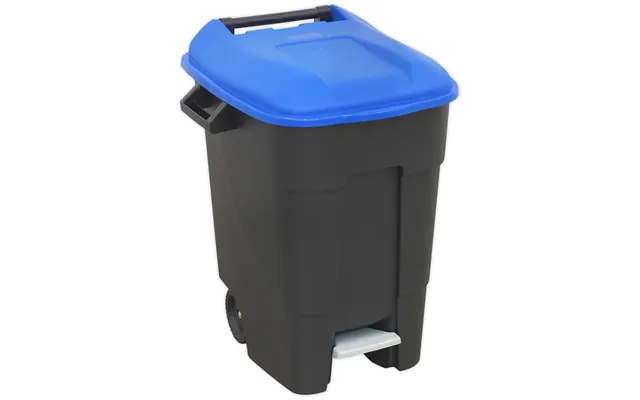
| Sealey Foot Pedal Wheelie Bin 100l Blue | £ 72,95 |

