

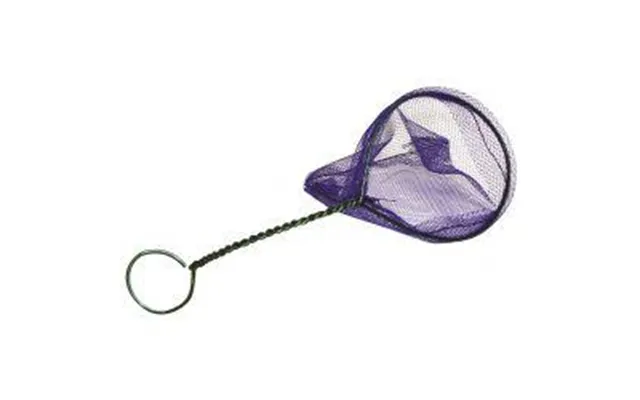
Aquarium Fish Nets price list
Last updated Monday, 19 Oct 2026
| Aquarium Fish Nets | Price |
|---|---|
| Marina Fish Net Breeder | £6.09 |
| Supa Bowl Net - 3 | £21.00 |





View 1 Offers
Loading...
Last updated Monday, 19 Oct 2026
| Aquarium Fish Nets | Price |
|---|---|
| Marina Fish Net Breeder | £6.09 |
| Supa Bowl Net - 3 | £21.00 |
When you keep fish, a net isn’t just a tool—it’s your safety belt, your steering wheel, and your first responder rolled into one. Need to move a new betta into a 5-gallon tank? Scoop fallen plant leaves floating at the surface? Guide a shy corydoras into a breeder box? The right aquarium fish net turns frustration into a quick, calm routine. And in the UK, where choices span everything from basic nylon nets to plush, knotless mesh and long-handled options, comparing features and prices is the smart way to shop.
Here’s the thing: not all nets are created equal. Some are kinder to delicate fins. Others shine when you’re catching tiny fry or shrimp. Some are built tough for big tanks with deep aquascapes. Choose wisely and you’ll reduce stress on your fish, protect fragile slime coats, and get tasks done faster. Let’s walk through everything you need to know to pick the best aquarium fish net—and use it like a pro.
Fine-mesh nets are the soft, gentle kind you’ll want for small or delicate animals. If you keep shrimp, tiny fry, or nano fish like celestial pearl danios, a fine mesh is your best friend because it prevents fins from snagging and small bodies from slipping through. Look for super-soft, knotless mesh that feels like a microfiber cloth rather than a rough net. A smaller hoop—around 2 to 4 inches across—gives you agility in tight aquascapes, while a deeper pocket helps keep quick fish from jumping back out.
Most hobbyists rely on a standard nylon net for routine tasks: catching community fish, removing debris, and doing quick maintenance. These nets come in popular sizes like 4-inch, 6-inch, and 8-inch widths, with medium mesh that balances strength and gentleness. They’re great all-rounders for guppies, tetras, barbs, and livebearers. If you’ve got a typical 20-gallon or 29-gallon community tank, a 6-inch net with a medium-depth pocket often hits the sweet spot between control and capacity.
Shape matters more than you’d think. Square nets can slide neatly into corners and along glass, herding fish without leaving escape gaps. Round nets move fluidly around driftwood and rocks. Deep-pocket nets reduce the chance of jump-outs when you lift the net out of the water—handy for lively species like danios. If your aquascape is heavy on plants and wood, a round, deep net (6 to 8 inches) will glide around obstacles. For bare or lightly planted tanks, a square net can be wonderfully efficient.
Breeder or specimen nets are designed for more controlled handling. Think of a rigid, boxy net or a fine-mesh basket used to isolate individual fish or move them gently between tanks. They pair perfectly with a specimen container: net the fish into a container of tank water, then transfer—no scrambling, no chasing. If you’re breeding or quarantining, a fine, soft net with a rigid frame gives you precision and reduces stress during close-up tasks like health checks.
The softer the mesh, the kinder it is to scales and fins. Knotless mesh is ideal for fish with flowing fins—bettas, fancy guppies, angelfish—because it avoids snag points. If you handle shrimp or fry, fine and super-fine mesh prevents escapes. For routine chores, a standard nylon mesh is durable, easy to swish clean, and great value. If you’re keeping sensitive or high-value fish, step up to soft, fine, knotless mesh—your fish will thank you.
Frames come in plastic-coated wire, stainless steel, or molded plastic. A smooth rim is essential; sharp or rough edges can scrape the glass or, worse, damage fish. Plastic-coated rims are gentle on both tank and fish. A sturdy frame helps the net keep its shape under water pressure. If you handle larger fish or move through thick plants, a reinforced frame prevents bending and keeps scoops clean and precise.
Short handles (around 8 to 12 inches) are nimble in nano tanks and tight spaces. Standard options (12 to 18 inches) fit most community tanks. Long handles (24 to 36 inches) help you reach the bottom of tall or large tanks without rolling up your sleeves. If your tank is 24 inches tall or more, a long handle offers comfort and control. A textured, non-slip grip is a nice bonus—especially when your hands are wet after a water change.
Smaller nets (2 to 4 inches) are perfect for shrimp, fry, and small species in nano setups. Medium nets (4 to 6 inches) are the everyday choice for most tanks. Larger nets (8 inches and up) make sense for larger fish, larger tanks, or when you want to scoop plant debris in one go. Depth matters too: shallow nets are fast but can lose fish; deeper pockets keep catches secure as you lift them out of the water.
In smaller tanks, agility beats size. Choose a 2 to 4 inch fine-mesh net for nano fish and shrimp. If you keep a betta, pick a soft, knotless mesh to protect delicate fins, and keep the hoop small enough to maneuver around decor. A short handle (8 to 12 inches) gives you precise control without bumping glass or plants.
For a standard community tank, a 6 inch net with medium mesh and a moderate handle length (12 to 18 inches) is a versatile workhorse. It’s large enough to corral schooling fish but still nimble. If you keep fast swimmers like rasboras or danios, consider a deeper pocket to prevent last-second escapes. A square shape helps you guide fish gently into corners without a chase.
Bigger tanks benefit from 8 inch nets and longer handles (24 to 36 inches). You can reach deep without wet arms, and you have the surface area to guide larger fish. If you have robust species—rainbowfish, big cichlids, or goldfish—look for reinforced frames and soft, knotless mesh to balance strength and fish safety. A round, deep net glides around complex hardscape while keeping fish secure.
Chasing fish around the tank spikes their stress. Instead, move slowly and predict their escape route. Guide fish gently toward an open area or the glass, then position the net so they swim into it rather than away from it. Dim the lights or distract with a small sinking treat if needed. Think shepherd, not hunter—calm, steady motions win every time.
Two nets can make you look like a pro. Use a larger net as a movable “fence” to guide the fish and a smaller net to scoop. This cuts down on chase time, reduces stress, and protects delicate fins. In planted tanks, a round net fences fish away from stems while a square net closes the gap along the glass. It’s a simple upgrade that makes tough catches feel easy.
Some fish fight the net but tolerate containers. A clear specimen container or cup can be slipped into the water and guided under a fish with minimal fuss. For skittish species, this can be safer and calmer. Use your net to gently herd the fish into the container’s opening, then lift slowly. It’s like opening a door instead of pushing someone through an obstacle course.
Rinse your net in fresh, dechlorinated water after every use. A quick swish removes mucus, plant bits, and residue. If you’ve handled sick fish or done quarantines, sanitize the net before using it in another tank. Many hobbyists soak nets in a mild, aquarium-safe disinfectant, then rinse thoroughly and let them air-dry completely before reuse. Drying is your friend—it helps kill lingering pathogens.
If you run multiple tanks, dedicate a net to each system or clearly label nets for “display,” “quarantine,” and “hospital.” Sharing nets can transfer parasites or bacteria silently. When separate nets aren’t possible, clean and dry thoroughly between tanks, and use a backup container method for high-risk cases. Consider color-coding handles or adding tags to keep nets straight at a glance.
Nets don’t last forever. If the mesh feels stiff, frayed, or rough, retire it. Any tear—even a small one—can trap fins or let small fish escape. Bent frames and loose handles reduce control and can scratch glass. As a rule of thumb, replace a heavily used net annually, or sooner if it shows wear. It’s a small cost that protects your fish and your peace of mind.
Across the UK, you’ll find everything from ultra-budget nets to premium, knotless options with reinforced frames. Price comparison platforms, including dedicated comparison sites like ZoneOffer, help you line up deals, check sizes, and spot bundles that include both fine and standard mesh. While prices fluctuate, the upgrade from a basic net to a soft, knotless net often feels bigger than the cost difference—especially for bettas, long-finned fish, or shrimp keepers.
Entry-level nets usually feature standard nylon mesh, plastic-coated frames, and short to mid-length handles. They’re lightweight, easy to rinse, and great for routine jobs in smaller tanks. If you’re new to the hobby or setting up a first community tank, a 4 to 6 inch budget net delivers a lot of value. Pair it with a small fine-mesh net for fry and you’re set for most tasks.
Move up a tier and you’ll see knotless mesh, deeper pockets, and sturdier frames. Mid-range nets often add comfort grips and better handle lengths for common tank sizes. If you’ve ever snagged a fin or lost a fast fish at the rim, this is the sweet spot. A 6 or 8 inch knotless net with a deep, rounded pocket can transform fish transfers from tense to routine.
Premium nets stand out with ultra-soft mesh, stainless steel frames, long, rigid handles, and precision stitching. They’re designed for demanding tasks: handling delicate species, reaching deep tanks, and navigating complex aquascapes. Breeders and aquascapers often prefer these for their control and fish safety. If you keep rare or high-value fish, the peace of mind alone justifies the upgrade.
A clear specimen container pairs beautifully with any net. Net the fish gently, slide them into the container underwater, and lift without drama. Breeder boxes let you isolate fry or stressed fish temporarily, with your net acting as the guiding tool rather than the sole method of capture. It’s teamwork that reduces stress and improves success rates.
Ever noticed how a net seems to snag on a stray stem or overgrown moss? Keep aquascaping tools handy to trim problem spots so your net moves freely. An algae scraper keeps glass clear so you can track fish movement during a catch. Small touches like this make netting smoother and safer for your fish.
During water changes, your net can double as a debris-catcher when detritus gets stirred up. A gravel cleaner, a sturdy bucket, and dechlorinator make clean-up quick, while your net helps snag floating leaves or uneaten food. It’s a simple routine: clean, net, refill—done.
Biggest rookie mistake? Using a coarse mesh on delicate fish or tiny fry. Coarse mesh can snag fins and miss small fish entirely. Match the mesh to the species: fine and soft for shrimp and fry, knotless and gentle for long-finned fish, standard mesh for everyday community work. When in doubt, go softer.
Even a good net can become risky if the rim is rough or the frame is bent. Always check the rim for smoothness and avoid scraping it along the fish. Lift slow and steady; let water drain naturally instead of shaking the net. If you hear or feel scraping against glass or decor, reassess your approach and angle.
Chasing is stressful and counterproductive. Instead, reduce escape routes. Use plants or hardscape to your advantage, or add a second net as a guide. Move slowly, pause often, and anticipate movement. Think of it as a calm conversation, not a sprint—you’re inviting the fish into the net, not forcing them.
Try netting fish at feeding time; some species are more focused and less wary. Lower the room lights a notch to calm skittish fish. If a fish keeps diving under the net, flip your angle: approach from below and lift gently. Keep a towel nearby, and always have the receiving container ready so the transfer is swift. Little habits like these turn tricky catches into smooth routines.
Want your net to last? Rinse it right after use and let it dry fully in an airy spot. Avoid harsh chemicals that can linger in fibers. Store nets flat or hanging to keep frames from warping. When your net wears out, upgrade to a knotless, soft mesh—your fish will experience less stress, and you’ll likely find you handle them less often because you can get it right on the first try.
An aquarium fish net is a humble tool, but it touches your fish more than almost anything else in your kit. Choosing the right size, mesh, and handle length pays off every time you feed, clean, or move livestock. Compare options, look closely at mesh softness and rim smoothness, and match your net to your tank size and species. Do that, and you’ll reduce stress, work faster, and keep your underwater community safer and happier—day in, day out.