

Aquatic Plant Fertilizers price list
Last updated Monday, 19 Oct 2026
| Aquatic Plant Fertilizers | Price |
|---|---|
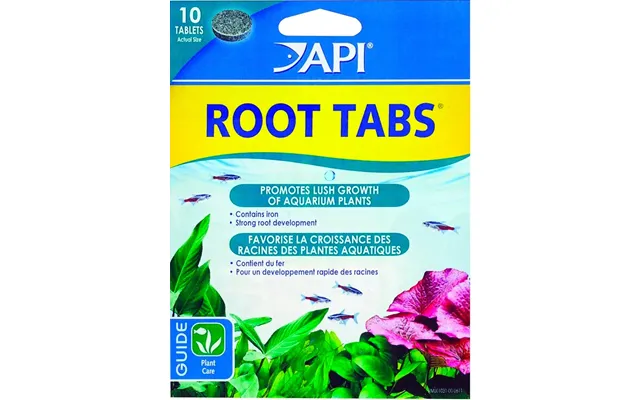
| Api Root Tabs Freshwater Aquarium Plant Fertilizer 13 G 10-count Box | £19.95 |





Loading...
Last updated Monday, 19 Oct 2026
| Aquatic Plant Fertilizers | Price |
|---|---|
| Api Root Tabs Freshwater Aquarium Plant Fertilizer 13 G 10-count Box | £19.95 |
If you’ve ever wondered why some planted aquariums look lush, vibrant, and downright jungle-like while others limp along, the secret often comes down to the right fertilizer strategy. Aquatic plants don’t just need light and water—they crave nutrients in the right balance. That’s where aquatic plant fertilizers step in, delivering a curated mix of essentials that help your stems stay perky, your carpet stay dense, and your red plants keep that eye-popping color. Whether you’re scoping out popular offers or eyeballing a price list on a comparison site, understanding the types and purposes of these fertilizers will save you money and headaches.
Most aquatic plant fertilizers revolve around two nutrient groups: macronutrients and micronutrients. Macros include nitrogen, phosphorus, and potassium—the stuff that drives growth, leaf production, and overall vigor. Micros include iron, manganese, boron, and a handful of trace elements that support color, enzyme function, and the little biochemical reactions that keep plants humming along. Think of macros as your main course and micros as the spices—skip either one and the meal falls flat.
Fertilizer alone won’t save a dim tank, just like stadium lights and CO2 won’t fix a starved tank. It’s all about balance. Picture a three-legged stool: light, carbon, and nutrients. If one leg is too short or too long, the stool wobbles. Too much light without enough nutrients invites algae. Loads of nutrients without sufficient CO2 can stall growth. Dial all three in, and your plants respond fast—new growth, richer colors, and fewer algae surprises.
Stroll through any aquatic aisle or browse a comparison platform and you’ll see multiple types of plant fertilizers. Good news: each one serves a clear purpose. The trick is matching the product to your plants and your setup, not chasing hype.
Liquid “comprehensive” fertilizers are the go-to for many hobbyists because they’re convenient and predictable. These blends typically include both macros and micros in a single bottle; you just dose per gallon and call it a day. If you’ve got a mixed tank with stems, epiphytes, and a few root feeders, an all-in-one makes life simple. Look for concentrated options that let you stretch each ounce further, and compare cost per dose rather than price per bottle—those “Popular Offers” and a transparent “price list” help you see true value at a glance.
Plants like Amazon swords, crypts, and certain bulb species devour nutrients through their root systems. For these, root tabs shine. You push them into the substrate near the plant, and they slowly release nutrients right where roots can sip them. Root tabs pair beautifully with an inert substrate, turning plain gravel into a nutrient-rich buffet. They also reduce water column nutrients, which can help if you’re battling algae in a high-light setup.
Sometimes your plants need a little something extra. Iron boosters can deepen reds and maintain lush greens. Potassium helps strengthen leaves and prevent pinholes. Then there’s “liquid carbon” products that provide an additional carbon source; many hobbyists use these as an adjunct to pressurized CO2 or as a mild algae deterrent. These aren’t one-size-fits-all, though. Use them to correct a known deficiency rather than blindly dosing everything under the sun.
Picking the perfect fertilizer is like choosing the perfect shoes—fit matters. Start with your tank’s size, your plants’ appetite, and how much light and CO2 you’re running. Then compare specific product features, concentrations, and batch sizes to get the best deal without overstocking your shelf.
Low-tech tanks—think moderate light and no pressurized CO2—thrive on leaner schedules. An all-in-one liquid dosed a few times per week and occasional root tabs for heavy feeders is often enough. High-tech tanks with strong light and pressurized CO2 chew through nutrients faster. They often benefit from richer macro dosing, routine iron supplementation, and a consistent schedule. If your setup looks like a mini underwater rainforest, plan for more frequent dosing and larger water changes.
Tank volume isn’t just a number; it drives your dose. A 10-gallon nano needs far less fertilizer than a 55-gallon display. Also consider your fish load: a heavily stocked tank produces more waste, which can contribute nitrogen and phosphorus to your water. Some tap water brings in calcium and magnesium (helpful), while others might be low in key traces. Test your baseline, then supplement where your water falls short. Don’t forget to calculate dose per gallon, not just a generic capful; precision saves cash and keeps algae at bay.
Not all plants dine the same way. Crypts, swords, and some bulbs are classic root feeders and flourish with root tabs. Stem plants, mosses, and epiphytes like Anubias and Bucephalandra thrive on water column nutrients. Many tanks mix both groups, so pairing root tabs with a liquid comprehensive is a smart, balanced strategy.
There are countless dosing methods out there, but you don’t need a chemistry degree to keep plants happy. The key is to pick a plan, track it for several weeks, and tweak slowly as your tank responds.
EI-style dosing front-loads nutrients to ensure plants never run short, then resets the tank with a big weekly water change. A simple approach is to dose macros and micros on alternating days and change roughly half the water at week’s end. For example, dose macros on Monday, Wednesday, Friday; micros on Tuesday, Thursday, Saturday; rest on Sunday and do a large change. The exact ounces per gallon depend on your product’s concentration, but the rhythm and consistency matter most.
If you’re running moderate light without pressurized CO2, lean dosing keeps algae away while giving plants what they need. Try dosing a comprehensive liquid two to three times per week and insert root tabs near heavy feeders every 6 to 8 weeks. Keep your photoperiod reasonable—about 6 to 8 hours—and skip marathon lighting sessions that plants can’t fully use.
Chasing the “perfect” number can drive you round the bend. Instead, aim for stability. Pick a schedule you can maintain even on a busy week. Measure plant growth, leaf color, and algae patterns. Are your tips pearling under bright light? New leaves looking crisp? Great—stay the course. Seeing pale leaves or hair algae? Adjust slowly, one variable at a time.
Fertilizers do the heavy lifting, but a few other tools help your plants convert nutrients into lush growth. Think of these as teammates on your planted tank squad.
Good lighting fuels photosynthesis. You don’t need stadium-grade fixtures, but you do want even spread across the tank. For most setups, a photoperiod around 7 to 8 hours is a sweet spot. If you crank intensity, be ready to feed that light with nutrients and carbon; otherwise algae will happily step in and take your plants’ lunch money.
Pressurized CO2 is the gold standard for demanding plants and vivid reds. If that’s not your style, “liquid carbon” supplements can give a helpful nudge. Either way, start on the conservative side and watch livestock closely. Stable CO2 and consistent fertilization is the power combo behind many jaw-dropping aquascapes.
Fertilizers don’t do much if they pool in dead spots. Aim for gentle, even circulation across the leaves so nutrients reach every corner. Too much blast and delicate stems flutter themselves ragged; too little and you’ll see debris collecting and plants stagnating. Adjust your outlet direction and add a small circulation pump if needed.
Simple test kits for nitrate and phosphate help you avoid extremes, and an iron test can be useful if you keep a lot of red plants. Keep an eye on pH and hardness as well; while plants are flexible, sudden swings stress both flora and fauna. Track your readings and dosing in a notebook so you can spot patterns over time.
Great aquascapes don’t have to break the bank. Smart shopping and a little math go a long way. Before you buy, compare concentration, bottle size, and true cost per dose—not just sticker price.
Deal-hunting is easier when you can see prices side by side. A comparison site like ZoneOffer aggregates deals across multiple retailers so you can skim “Popular Offers,” scan an “Aquatic Plant Fertilizers price list,” and quickly locate the best value for your setup. This helps you skip inflated bottles and home in on concentrated formulas that stretch farther per ounce.
Two bottles may cost the same, but if one is twice as concentrated, you’ve just cut your per-gallon cost in half. Check the label for how many gallons the bottle treats and divide price by total treated gallons. Some brands also offer refill pouches that shave a few bucks off each top-up.
Even with a good plan, things can go sideways. The fix usually involves a small tweak rather than a complete overhaul. Diagnose the symptom, then adjust light, nutrients, or CO2 one notch at a time.
Yellow leaves often hint at nitrogen or iron limitations. Pinholes can suggest a potassium shortfall. Crypt “melt” is famous: new crypts may drop leaves as they adapt, then bounce back stronger with stable fertilization and root tabs. In each case, dose consistently and watch how new growth looks compared to older leaves—that’s your progress report.
Algae outbreaks are frustrating, but they’re also messages. Hair algae can point to excess light relative to nutrients or CO2. Black beard algae often shows up with fluctuating CO2 or inconsistent maintenance. Shorten the photoperiod, stabilize your carbon, and keep nutrients steady. Prune affected leaves and replant healthy tops for a quick visual win.
In a word, yes—when used as directed. Most reputable aquatic plant fertilizers are designed for community tanks. Still, if you keep sensitive shrimp species, read labels carefully and avoid products heavy on copper. Dose gradually, especially with specialized boosters, and watch livestock behavior after each change. When in doubt, start at half-dose and increase slowly.
It’s tempting to pour in “just a little more,” but that can backfire. Overdosing can fuel algae and stress fish. Stick to the schedule, change water regularly, and don’t layer multiple products that duplicate nutrients unless you’ve planned it out. Remember: steady, modest improvements beat wild swings every time.
Launching a planted tank? Here’s a simple path that keeps plants fed without overwhelming you. Adjust the volumes for your own system, but follow the rhythm and you’ll be off to a strong start.
After planting, insert root tabs beneath heavy feeders and fill your tank completely. Start with a reduced dose of a comprehensive liquid fertilizer—something like half the recommended dose per gallon—to ease plants into their new home. Keep light around 6 to 7 hours and avoid marathon sessions in the first week.
Begin dosing at full recommended levels for your volume. If your tank is 20 gallons, calculate based on 20 gallons of actual water (subtracting displacement from hardscape if needed). Check plants daily: are you seeing new tips and small bubbles on leaves during peak light? Great sign. Keep your photoperiod steady and avoid fiddling with three variables at once.
Top up with additional root tabs if you have swords or crypts that are taking off. Trim any melting or algae-laced leaves. If you’re using CO2, confirm your distribution is even and that livestock looks comfortable. Stay on your dosing plan—consistency is currency here.
By now you’ll see what your tank wants. If growth is roaring and clean, keep doing what works. If algae creeps in, nudge your photoperiod down by an hour or increase your water change. Keep your fertilizer dosage aligned with plant demand—heavy pruning often warrants a slight dose reduction until biomass rebounds.
Labels can look like alphabet soup, but there are a few data points that matter most: what nutrients are included, at what concentration, and how many gallons the bottle treats. If two products both treat 500 gallons but one costs less and includes iron, that’s your winner for mixed tanks. If your tank is mostly root feeders, a big pack of root tabs might beat a fancy liquid on value.
Do the math: Price divided by total treated gallons equals cost per gallon. Multiply by your tank size to get cost per dose. That figure beats marketing fluff every time. Also check for ingredients that match your plants’ needs—iron for reds, potassium for hole-prone leaves, and a good trace mix for overall resilience.
Fertilizers are most effective in clean, stable environments. Quick weekly routines maintain that stability and prevent small issues from snowballing.
Regular water changes reset the system and remove excess nutrients, tannins, and organic waste. Rinse filter media gently in tank water to preserve beneficial bacteria. Prune generously—plants respond to trimming with denser, healthier growth. Replant tops to fill empty spaces and keep the scape polished.
Before you click “buy,” run through a simple checklist. What’s your tank volume? Which plants are root feeders? How strong is your light, and do you run CO2? Now match a fertilizer strategy: comprehensive liquid plus root tabs is the most universal combo. Compare offers on a trusted comparison site, scan the price list, and pick the most concentrated formula that fits your plants. Track results, adjust gently, and enjoy the view.
Aquatic plant fertilizers are the backbone of every thriving planted aquarium. Pick a type that suits your plants, dose it with intention, and support it with steady light, decent flow, and clean water. Shop smart—look for popular offers and compare real cost per dose—and you’ll save money while your plants explode with growth. Keep it balanced, keep it consistent, and your aquascape will reward you with color, movement, and that peaceful underwater rhythm we all crave.